
.svg)



Why Breaking Habits Is So Hard, and What Behavioral Science Says Can Help



Most people have experienced it:
You start a new routine feeling motivated and consistent. Then life gets busy, you miss a day or two, and suddenly the habit disappears completely.
Whether it’s exercise, sleep, mindfulness, healthier eating, or reducing screen time, building lasting habits can feel surprisingly difficult.
But according to behavioral science researchers, habit change is rarely about “willpower” alone.
At Better U, we believe understanding the connection between behavior, mental health, stress, and daily routines can help people approach wellness with more compassion and realism.
Habits Are Closely Connected to Mental Health
Habits are automatic behaviors shaped by repetition, environment, stress levels, emotional state, and daily routines.
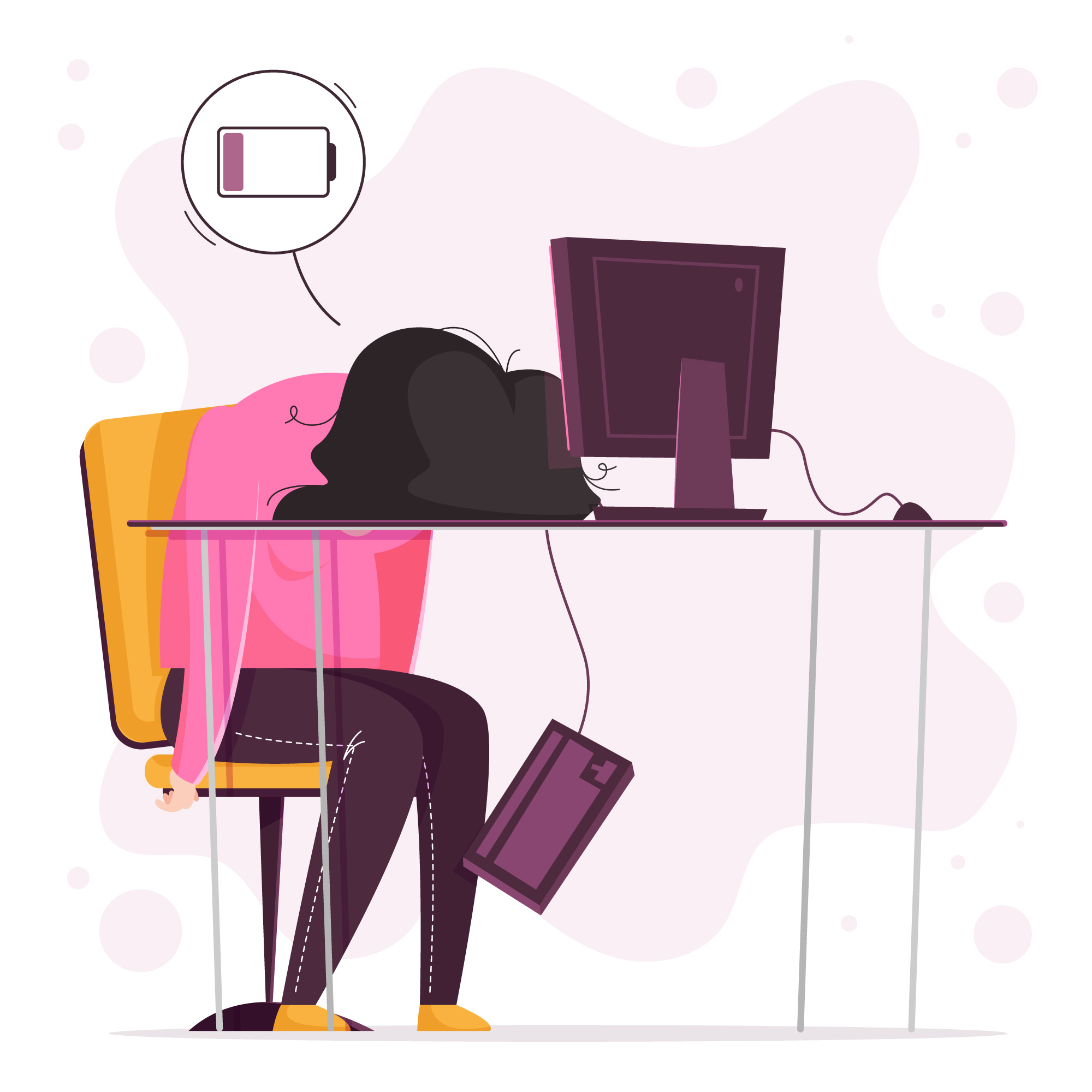
When people experience chronic stress, burnout, anxiety, poor sleep, or emotional overwhelm, maintaining routines may become more difficult.
This is because mental and physical energy can influence:
- Motivation
- Focus
- Emotional regulation
- Decision-making
- Consistency
- Energy levels
For many individuals, struggling to maintain habits is not a sign of laziness or failure, it may reflect how stress and mental load affect the brain and nervous system.
Why Small Habits Often Work Better
Behavioral scientists have long studied why some habits stick while others fade quickly.
One commonly discussed concept is that habits are easier to maintain when they are:
- Simple
- Realistic
- Repeated consistently
- Connected to existing routines
- Supported by environmental cues
For example, a person may find it easier to begin with a small daily behavior, such as taking a short walk or practicing one minute of mindfulness, rather than setting highly ambitious goals that feel difficult to sustain long term.
Research suggests consistency may play a larger role in habit formation than intensity alone.
Stress and Habit Loops
Stress can strongly influence behavior patterns.
When people are overwhelmed, the brain often defaults to familiar coping mechanisms and automatic routines. This may include behaviors such as:
- Emotional eating
- Excessive scrolling or screen time
- Avoidance
- Sleep disruption
- Substance use
- Isolation
- Skipping self-care routines
Because habits are tied to emotional and environmental triggers, sustainable change often involves understanding the context surrounding behaviors, not just trying to “force” discipline.
The Role of Self-Compassion in Behavior Change
One reason people abandon habits is the “all-or-nothing” mindset.
Missing one workout, meditation session, or healthy meal can sometimes trigger feelings of guilt or failure that lead people to stop altogether.
Mental health professionals often encourage a more flexible and self-compassionate approach to behavior change.
Research around habit formation suggests that long-term consistency may improve when individuals:
- Focus on progress instead of perfection
- Set realistic expectations
- Expect setbacks as part of the process
- Reduce self-criticism
- Build routines gradually over time
Small steps repeated consistently may be more sustainable than drastic lifestyle overhauls.
Supporting Mental Wellness Through Daily Routines
Daily habits can influence overall emotional and physical wellness.
Some foundational habits commonly associated with mental well-being include:
- Prioritizing sleep
- Regular physical movement
- Social connection
- Balanced nutrition
- Stress management
- Mindfulness or relaxation practices
- Reducing excessive alcohol or substance use
Mental health care may also involve therapy, psychiatric support, medication management, or holistic approaches depending on individual needs.
At Better U, we believe lasting wellness often starts with understanding the connection between mental health, behavior, and daily life, without shame or unrealistic expectations.
Learn more about Better U’s holistic mental health services here:
https://www.betterucare.com/holisticpsychiatry
Disclaimer: The content on this page is for informational and educational purposes only and is not medical or psychiatric advice. It does not create a patient–provider relationship and is not a substitute for consultation with a licensed clinician. Some treatments discussed (including holistic, weight management, sexual health, ketamine or other innovative therapies) may involve off-label or non-FDA-approved uses and are not guaranteed to be safe, effective, or appropriate for you. Always talk with a qualified healthcare professional before making any changes to your care. Better U’s clinical team is available to provide personalized telemedicine appointments to determine which treatments, if any, may be appropriate for your individual situation.
Latest articles
Brain Fog: What Causes It?
Learn More About: Brain Fog: What Causes It?
The Role of Telemedicine in Modern Mental Healthcare

How Social Media May Affect Mental Health
.jpg)
What Burnout Really Looks Like