
.svg)



What Burnout Really Looks Like


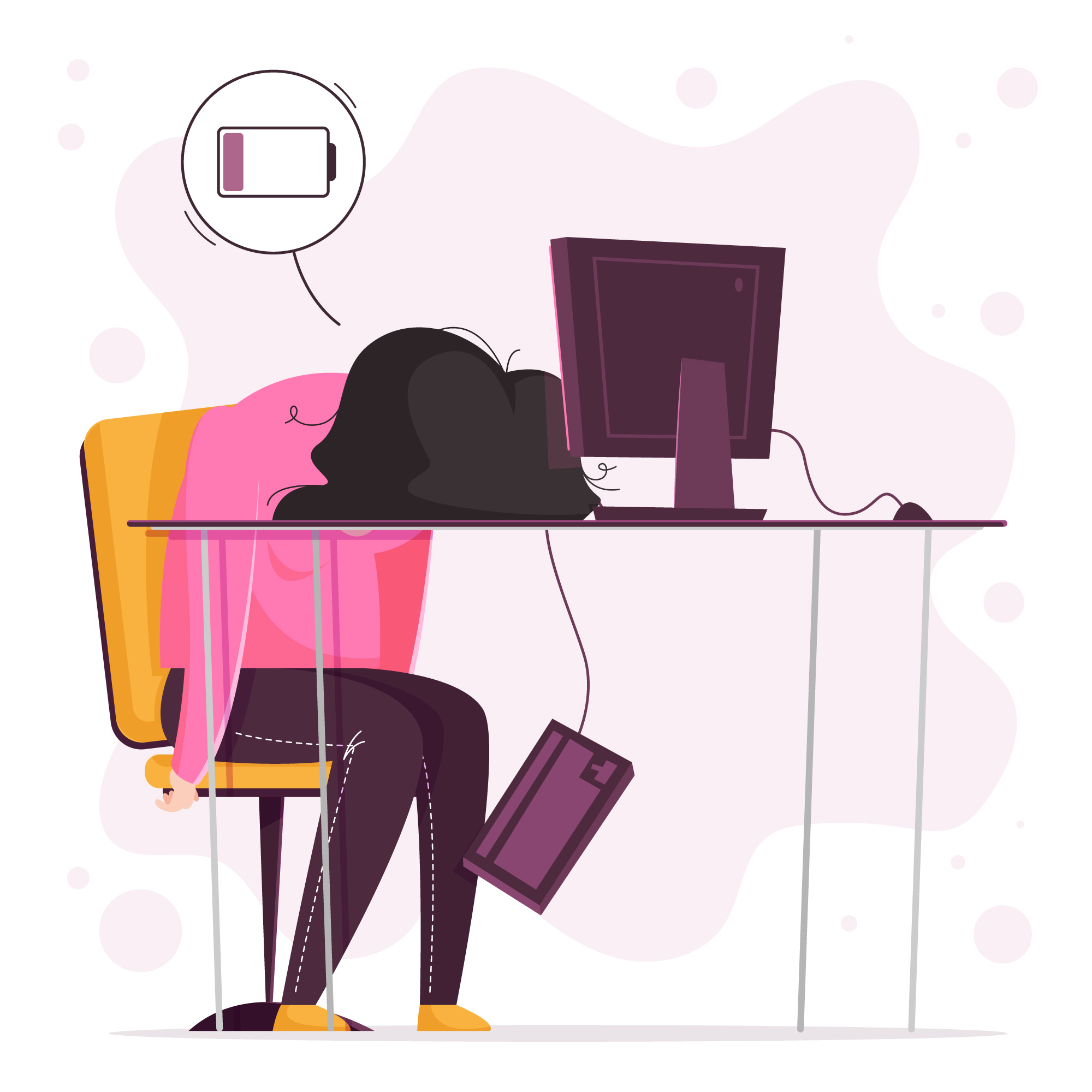
Burnout is often described as simply being “too stressed” or “overworked.”
But burnout is more than having a busy week or feeling temporarily exhausted.
Over time, chronic stress without adequate recovery can affect emotional health, physical wellness, sleep, concentration, motivation, and overall quality of life.
At Better U, we believe understanding burnout is an important part of supporting long-term mental wellness.
What Is Burnout?
Burnout is generally understood as a state of emotional, physical, and mental exhaustion associated with prolonged or unmanaged stress.
While burnout is commonly linked to work-related stress, it can also affect individuals managing:
- Caregiving responsibilities
- Parenting demands
- Academic pressure
- Chronic illness
- Financial stress
- Emotional labor
- Constant overstimulation or lack of rest
Burnout often develops gradually rather than all at once.
Common Signs of Burnout
Burnout can affect people differently, but common symptoms may include:
- Emotional exhaustion
- Feeling overwhelmed
- Difficulty concentrating
- Irritability or emotional numbness
- Reduced motivation
- Sleep disruption
- Fatigue that does not improve with rest
- Increased anxiety or stress sensitivity
- Feeling detached or disconnected
- Physical symptoms such as headaches or muscle tension
Some individuals may also notice changes in appetite, relationships, productivity, or overall emotional resilience.
The Role of Chronic Stress
The body is designed to respond to stress in short bursts.
However, when stress becomes constant, the nervous system may remain in a prolonged state of activation. Over time, this may affect:
- Sleep quality
- Hormonal balance
- Mood regulation
- Cognitive function
- Energy levels
- Physical health
Research continues to explore how chronic stress may contribute to emotional exhaustion and mental health concerns such as anxiety and depression.
Sleep and Burnout
Sleep disruption is both a symptom and contributor to burnout.
People experiencing burnout may struggle with:
- Difficulty falling asleep
- Waking frequently during the night
- Racing thoughts
- Feeling tired despite sleeping
- Irregular sleep schedules
Because sleep plays a major role in emotional regulation and stress recovery, ongoing sleep problems may worsen burnout symptoms over time.
Burnout Is Not a Personal Failure
Many people experiencing burnout blame themselves for “not handling things better.”
However, burnout is not simply a lack of motivation or resilience.
Factors such as workplace demands, lack of recovery time, chronic stress exposure, unrealistic expectations, and emotional overload can all contribute to burnout symptoms.
Mental health professionals often encourage self-compassion, realistic expectations, and sustainable lifestyle changes rather than pushing through exhaustion indefinitely.
When to Seek Support
Persistent burnout symptoms should not be ignored.
It may be helpful to speak with a healthcare professional if stress or exhaustion begins affecting:
- Work performance
- Relationships
- Sleep
- Daily functioning
- Emotional well-being
- Physical health
Mental healthcare support may include therapy, psychiatric evaluation, stress management strategies, lifestyle support, medication management, or other individualized approaches depending on the person’s needs.
A Whole-Person Approach to Wellness
At Better U, we believe emotional wellness requires more than productivity and performance.
Mental health is deeply connected to sleep, stress, boundaries, physical health, nervous system regulation, and overall quality of life.
Through telemedicine-based services, Better U connects individuals with licensed healthcare professionals who can help evaluate symptoms and discuss personalized mental health and wellness support options.
Learn more about Better U’s holistic psychiatry services here:
https://www.betterucare.com/holisticpsychiatry
Disclaimer: The content on this page is for informational and educational purposes only and is not medical or psychiatric advice. It does not create a patient–provider relationship and is not a substitute for consultation with a licensed clinician. Some treatments discussed (including holistic, weight management, sexual health, ketamine or other innovative therapies) may involve off-label or non-FDA-approved uses and are not guaranteed to be safe, effective, or appropriate for you. Always talk with a qualified healthcare professional before making any changes to your care. Better U’s clinical team is available to provide personalized telemedicine appointments to determine which treatments, if any, may be appropriate for your individual situation.
Latest articles
Brain Fog: What Causes It?
Learn More About: Brain Fog: What Causes It?
The Role of Telemedicine in Modern Mental Healthcare
How Social Media May Affect Mental Health
.jpg)
The Importance of Nervous System Regulation