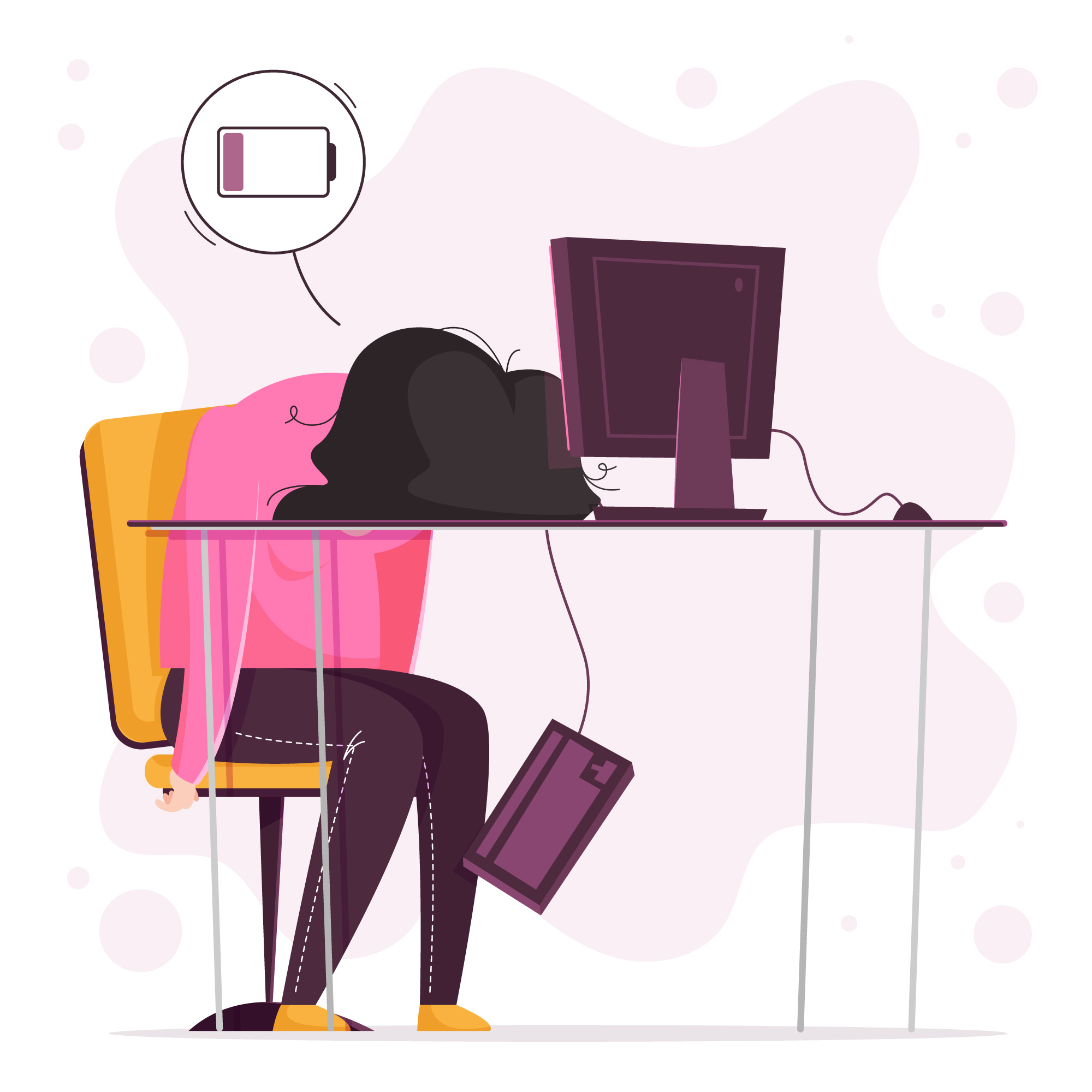

.svg)



The Importance of Nervous System Regulation


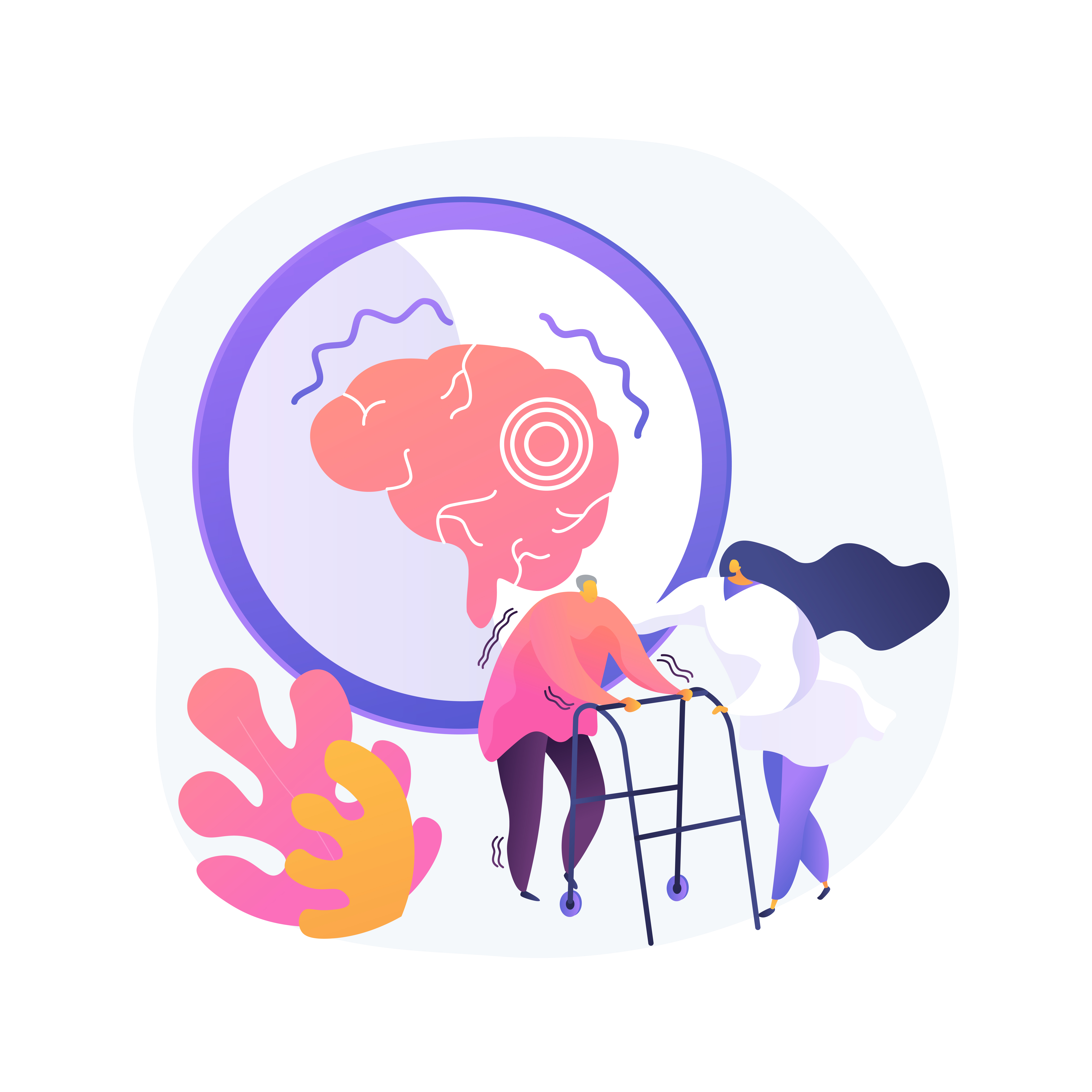
Many people live in a constant state of stress without realizing how deeply it affects both the mind and body.
Feeling overwhelmed, emotionally reactive, exhausted, anxious, unable to relax, or constantly “on edge” may all be connected to how the nervous system responds to stress.
At Better U, we believe understanding nervous system regulation is an important part of mental wellness and whole-person health.
What Is the Nervous System?
The nervous system helps regulate how the body responds to internal and external experiences.
One of its primary functions is protecting the body from danger through automatic stress responses.
These responses may include:
- Increased heart rate
- Muscle tension
- Heightened alertness
- Faster breathing
- Release of stress hormones such as cortisol and adrenaline
This process is often referred to as the “fight-or-flight” response.
In short-term situations, this response can help people react quickly during emergencies or stressful events.
However, when stress becomes chronic, the nervous system may remain activated for long periods of time, even when no immediate danger is present.
What Happens During Chronic Stress?
When the body stays in a prolonged stress response, individuals may experience symptoms such as:
- Anxiety or panic
- Sleep difficulties
- Irritability
- Emotional overwhelm
- Difficulty concentrating
- Fatigue
- Muscle tension
- Digestive issues
- Feeling constantly “on edge”
Over time, chronic stress may also affect emotional resilience, physical health, and overall quality of life.
Researchers continue studying how long-term nervous system activation may influence mental and physical wellness.
What Does “Nervous System Regulation” Mean?
Nervous system regulation refers to practices and habits that may help the body shift out of prolonged stress states and support recovery, balance, and emotional regulation.
This does not mean eliminating stress completely — which is unrealistic — but rather helping the body recover more effectively after stress occurs.
For many people, nervous system regulation involves creating consistent opportunities for rest, safety, recovery, and calm.
Breathwork and Stress Response
Breathing patterns are closely connected to the nervous system.
During stress or anxiety, breathing often becomes faster and shallower. Some relaxation practices focus on slower, more intentional breathing patterns that may help support a calmer physiological state for some individuals.
Examples may include:
- Deep breathing exercises
- Box breathing
- Diaphragmatic breathing
- Guided breathwork practices
Research in this area is ongoing, and experiences vary between individuals.
Mindfulness and Emotional Awareness
Mindfulness practices are also commonly discussed in relation to stress reduction and nervous system regulation.
Mindfulness generally involves paying attention to the present moment with awareness and reduced judgment.
Practices may include:
- Meditation
- Journaling
- Yoga
- Grounding exercises
- Body awareness techniques
Some individuals report that mindfulness practices help improve emotional awareness, stress management, and overall well-being.
Sleep and Nervous System Recovery
Sleep plays a major role in nervous system regulation.
During sleep, the body and brain undergo important recovery processes related to:
- Emotional regulation
- Memory processing
- Stress recovery
- Hormonal balance
- Cognitive function
Chronic sleep deprivation may make stress responses feel more intense and may reduce emotional resilience over time.
Consistent sleep routines and healthy sleep habits are often considered foundational for overall wellness.
Movement and Physical Regulation
Physical activity may also help support stress recovery and nervous system balance.
Movement such as walking, stretching, yoga, strength training, or recreational exercise may help some individuals reduce tension and improve overall mood and energy levels.
Importantly, movement does not need to be extreme or intense to support wellness.
When Stress Feels Overwhelming
For some individuals, chronic stress or nervous system dysregulation may overlap with conditions such as:
- Anxiety disorders
- PTSD
- Depression
- Burnout
- Trauma-related symptoms
In these situations, professional mental healthcare support may be appropriate.
Treatment options may include therapy, psychiatric evaluation, medication management, lifestyle support, mindfulness-based approaches, or other individualized care strategies depending on the person’s needs.
A Whole-Person Approach to Mental Wellness
At Better U, we believe emotional wellness involves understanding the connection between the brain, body, stress, and daily life.
Through telemedicine-based care, Better U connects individuals with licensed healthcare professionals who can help evaluate symptoms and discuss personalized mental health and wellness options.
Learn more about Better U’s holistic psychiatry services here:
https://www.betterucare.com/holisticpsychiatry
Disclaimer: The content on this page is for informational and educational purposes only and is not medical or psychiatric advice. It does not create a patient–provider relationship and is not a substitute for consultation with a licensed clinician. Some treatments discussed (including holistic, weight management, sexual health, ketamine or other innovative therapies) may involve off-label or non-FDA-approved uses and are not guaranteed to be safe, effective, or appropriate for you. Always talk with a qualified healthcare professional before making any changes to your care. Better U’s clinical team is available to provide personalized telemedicine appointments to determine which treatments, if any, may be appropriate for your individual situation.
Latest articles
Brain Fog: What Causes It?
Learn More About: Brain Fog: What Causes It?
The Role of Telemedicine in Modern Mental Healthcare

How Social Media May Affect Mental Health
.jpg)
What Burnout Really Looks Like