

.svg)



Mental Health Awareness Month: Expanding the Conversation Around Mental Wellness


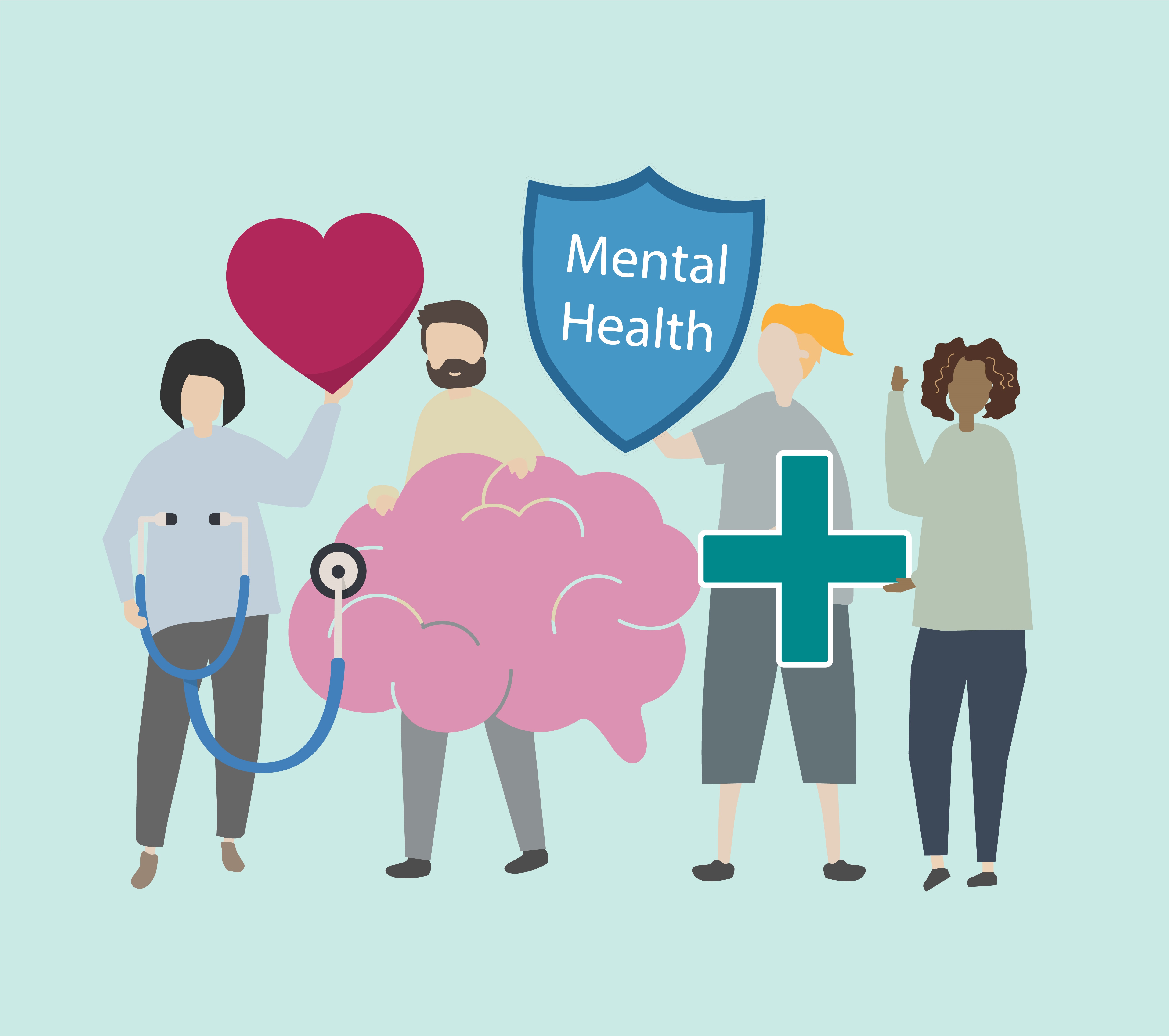
Every May, Mental Health Awareness Month encourages people to have more open, informed conversations about emotional well-being and mental healthcare.
Mental health affects how people think, feel, cope with stress, connect with others, and navigate everyday life. Yet despite increasing awareness, many individuals still delay seeking support because of stigma, limited access to care, or uncertainty about available treatment options.
Mental Health Awareness Month is an opportunity to continue normalizing these conversations, and to recognize that mental health care is not one-size-fits-all.
Mental Health Is Part of Overall Health
Mental wellness is closely connected to physical health, sleep, stress, relationships, work demands, hormones, trauma history, and lifestyle factors.
People may experience challenges such as:
- Anxiety
- Depression
- Burnout
- PTSD-related symptoms
- Chronic stress
- Sleep disruption
- Emotional overwhelm
- Difficulty concentrating
- Feelings of isolation or hopelessness
Mental health experiences can vary significantly from person to person, which is why individualized care and comprehensive evaluation are important.
Reducing Stigma Around Seeking Support
Although conversations around mental health have become more common, stigma still remains a barrier for many people.
Some individuals may worry about:
- Being judged
- Appearing weak
- Career or social consequences
- Cultural expectations
- Feeling misunderstood
Awareness efforts help reinforce that seeking support for mental health is no different than seeking care for physical health.
For many people, early conversations with a qualified healthcare professional can help provide clarity, support, and guidance around appropriate care options.
The Growing Conversation Around Innovative Mental Health Treatments
As mental health awareness continues to evolve, more people are also learning about emerging and innovative approaches being studied within psychiatry.
One area receiving increased attention is ketamine-assisted therapy.
Ketamine has been used medically for decades as an anesthetic. In recent years, researchers have also studied ketamine and ketamine-derived treatments for certain mental health conditions, including treatment-resistant depression and other psychiatric symptoms.
Research in this area is ongoing, and ketamine-based therapies are not appropriate for everyone. These treatments should only be considered under the supervision of qualified licensed healthcare professionals following individualized medical evaluation.
At Better U, ketamine therapy discussions occur as part of a broader telemedicine-based mental health evaluation process designed to help determine whether a treatment option may be clinically appropriate for an individual patient.
A More Personalized Approach to Mental Healthcare
Mental Health Awareness Month also highlights the importance of personalized care.
For some individuals, support may include:
- Therapy or counseling
- Psychiatric evaluation
- Medication management
- Lifestyle and wellness strategies
- Stress management
- Holistic psychiatry approaches
- Innovative therapies, where clinically appropriate
Mental healthcare is most effective when individuals feel heard, supported, and involved in treatment decisions.
Continuing the Conversation Beyond Awareness Month
Mental Health Awareness Month serves as a reminder that emotional wellness deserves ongoing attention, compassion, and access to care year-round.
At Better U, we believe mental healthcare should be accessible, evidence-informed, and centered around the whole person.
Through telemedicine-based services, Better U connects individuals with licensed healthcare professionals who can evaluate symptoms, discuss treatment options, and help guide personalized care decisions.
Learn more about Better U’s mental health and ketamine therapy services here:
https://www.betterucare.com
Disclaimer: The content on this page is for informational and educational purposes only and is not medical or psychiatric advice. It does not create a patient–provider relationship and is not a substitute for consultation with a licensed clinician. Some treatments discussed (including holistic, weight management, sexual health, ketamine or other innovative therapies) may involve off-label or non-FDA-approved uses and are not guaranteed to be safe, effective, or appropriate for you. Always talk with a qualified healthcare professional before making any changes to your care. Better U’s clinical team is available to provide personalized telemedicine appointments to determine which treatments, if any, may be appropriate for your individual situation.
Latest articles
Brain Fog: What Causes It?
Learn More About: Brain Fog: What Causes It?
The Role of Telemedicine in Modern Mental Healthcare

How Social Media May Affect Mental Health
.jpg)
What Burnout Really Looks Like