
.svg)



Men’s Mental Health Month: Why More Conversations Matter



June is Men’s Mental Health Month, a time dedicated to increasing awareness around the emotional well-being of men and encouraging more open conversations about mental health.
While mental health challenges affect people of all genders, many men are less likely to seek support or talk openly about emotional struggles due to stigma, cultural expectations, or pressure to appear strong and self-reliant.
As awareness grows, more healthcare professionals and organizations are encouraging men to recognize that mental health is an important part of overall health, and that seeking support is not a sign of weakness.
The Mental Health Challenges Men Often Face
Men may experience many of the same mental health conditions as women, including:
- Anxiety
- Depression
- Burnout
- PTSD
- Chronic stress
- Sleep difficulties
- Substance use concerns
- Emotional overwhelm
However, symptoms do not always look the same from person to person.
Some men may express emotional distress through:
- Irritability or anger
- Emotional withdrawal
- Difficulty concentrating
- Increased risk-taking behaviors
- Changes in sleep or energy
- Physical symptoms such as fatigue or tension
- Avoidance or isolation
Because emotional struggles may not always fit common stereotypes of depression or anxiety, some men delay seeking care until symptoms significantly impact work, relationships, or daily functioning.
The Impact of Stigma
One of the biggest barriers to mental healthcare for men is stigma.
Many men grow up hearing messages that discourage emotional vulnerability, including ideas like:
- “Tough it out.”
- “Handle it yourself.”
- “Don’t talk about your feelings.”
- “Be strong.”
Over time, these expectations can make it more difficult for individuals to recognize when support may be helpful.
Mental Health Awareness efforts help normalize the idea that emotional health deserves the same attention as physical health.
Stress, Burnout, and Modern Life
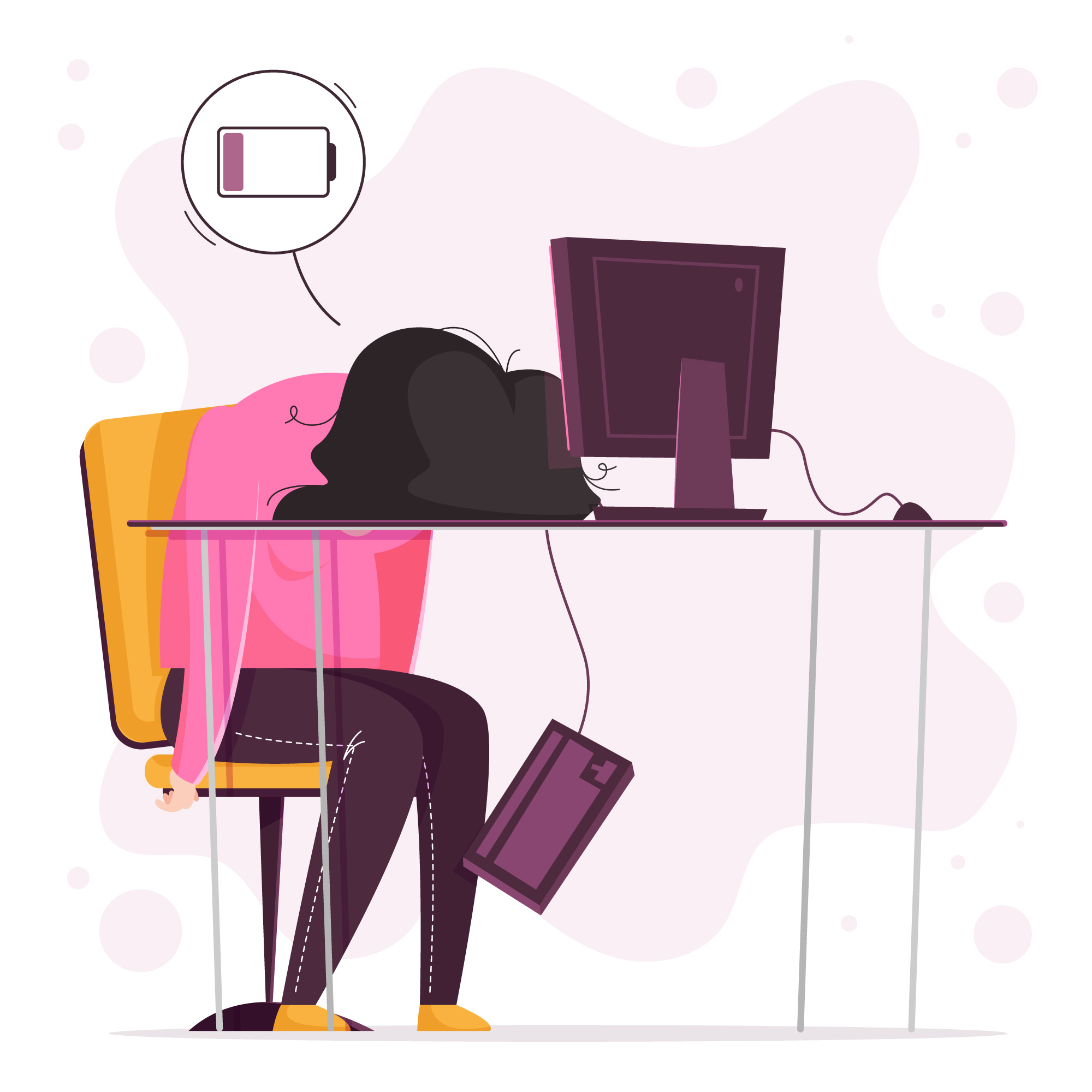
Many men today are balancing demanding careers, financial pressure, caregiving responsibilities, relationship stress, and constant digital overstimulation.
Chronic stress may contribute to:
- Sleep disruption
- Fatigue
- Anxiety symptoms
- Difficulty focusing
- Emotional exhaustion
- Reduced motivation
- Physical health concerns
Mental wellness is influenced by multiple interconnected factors, including sleep, nutrition, movement, social connection, hormones, and overall physical health.
Expanding the Conversation Around Mental Health Treatment
As awareness increases, more men are exploring a broader range of mental health support options.
Depending on the individual, care may include:
- Therapy or counseling
- Psychiatric evaluation
- Medication management
- Lifestyle and wellness support
- Stress reduction strategies
- Holistic psychiatry approaches
- Innovative therapies, where clinically appropriate
One area receiving growing attention is ketamine-assisted therapy.
Researchers continue studying ketamine-based treatments for certain mental health conditions, including treatment-resistant depression and PTSD-related symptoms. These therapies are not appropriate for everyone and should only be considered under the supervision of licensed healthcare professionals following individualized evaluation.
At Better U, treatment decisions are made on a case-by-case basis through telemedicine consultations designed to help determine what care options may be appropriate for each person’s needs and goals.
Seeking Support Is a Strength
Men’s Mental Health Month is ultimately about encouraging more honest conversations around emotional wellness.
Seeking support, asking questions, or talking with a healthcare professional are proactive steps toward understanding mental health, not signs of failure.
For many people, simply starting the conversation can be one of the most important steps.
Learn more about Better U’s mental health and holistic psychiatry services here:
https://www.betterucare.com/holisticpsychiatry
Disclaimer: The content on this page is for informational and educational purposes only and is not medical or psychiatric advice. It does not create a patient–provider relationship and is not a substitute for consultation with a licensed clinician. Some treatments discussed (including holistic, weight management, sexual health, ketamine or other innovative therapies) may involve off-label or non-FDA-approved uses and are not guaranteed to be safe, effective, or appropriate for you. Always talk with a qualified healthcare professional before making any changes to your care. Better U’s clinical team is available to provide personalized telemedicine appointments to determine which treatments, if any, may be appropriate for your individual situation.
Latest articles
Brain Fog: What Causes It?
Learn More About: Brain Fog: What Causes It?
The Role of Telemedicine in Modern Mental Healthcare

How Social Media May Affect Mental Health
.jpg)
What Burnout Really Looks Like