

.svg)



Menopause and Mental Health: Understanding the Emotional and Cognitive Changes


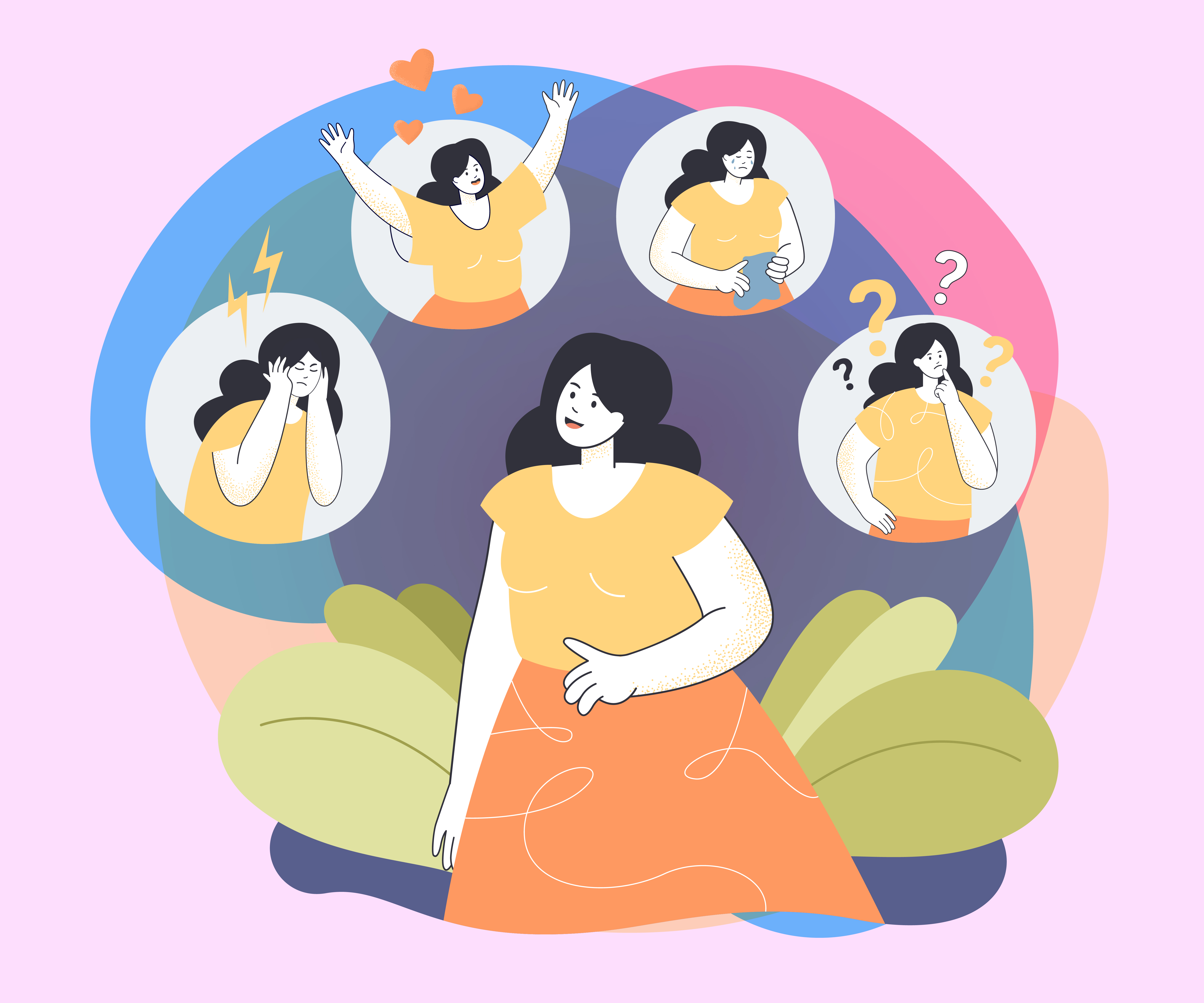
Menopause is often associated with physical symptoms like hot flashes or sleep disruption, but many women also notice changes in mood, memory, focus, and emotional well-being during this transition.
These experiences are common, and increasingly recognized as an important part of overall midlife health.
At Better U, we believe mental health conversations should include the emotional and cognitive changes that can occur during perimenopause and menopause, while encouraging women to seek individualized support from qualified healthcare professionals when needed.
Memory, Focus, and Cognitive Changes During Menopause
Many women report difficulty concentrating, forgetfulness, mental fatigue, or “brain fog” during perimenopause and the years immediately following menopause.
Research suggests cognitive function at midlife may be influenced by multiple factors, including:
- Hormonal fluctuations
- Sleep disruption
- Mood changes
- Stress levels
- Overall physical health
These changes can feel alarming, especially for women concerned about dementia or Alzheimer’s disease. However, the more subtle cognitive changes commonly reported during menopause are not typically considered signs of dementia.
Still, noticeable or concerning symptoms should always be discussed with a healthcare professional so that contributing factors can be evaluated appropriately.
Lifestyle Factors That May Support Cognitive Wellness
While no single lifestyle approach is guaranteed to prevent cognitive decline, some research suggests that certain habits may support overall brain and emotional health during aging.
These may include:
- Maintaining strong social connections
- Staying physically active
- Engaging in mentally stimulating activities
- Following balanced dietary patterns such as the Mediterranean diet
- Consuming omega-3 fatty acids and nutrient-rich foods
- Avoiding smoking
- Limiting alcohol intake
- Managing cardiovascular risk factors such as high blood pressure, diabetes, and high cholesterol
These strategies may contribute to overall wellness and healthy aging, though individual outcomes vary.
Hormones and Mood Changes
Estrogen receptors are found throughout the brain, including areas involved in mood regulation. Researchers continue to study how hormonal fluctuations during perimenopause may affect emotional well-being.
In addition to hormonal changes, many women experience other life stressors during midlife that may influence mood, including:
- Caregiving responsibilities
- Career demands
- Changes in relationships
- Sleep disruption
- Reduced time for self-care
- Physical health changes
For some women, symptoms such as hot flashes or poor sleep may also contribute to increased emotional stress or irritability.
Depression During Perimenopause
Some studies suggest women may be more vulnerable to depression during perimenopause and the years immediately after menopause.
Researchers have proposed that certain individuals may be more sensitive to hormonal shifts during this transition, particularly women with a prior history of depression or mood disorders.
Emotional wellness during menopause often involves balancing personal health with the responsibilities of work, family, and caregiving. Recognizing stressors and seeking support when needed can be an important part of maintaining mental well-being.
Anxiety and Menopause
Anxiety symptoms may also become more noticeable during perimenopause and menopause.
Some women describe increased worry, nervousness, panic-like symptoms, or heightened emotional sensitivity. Hot flashes themselves may contribute to anxiety because they can feel unpredictable or disruptive in social situations. In some cases, anxious thoughts may also trigger or intensify hot flashes.
Because symptoms vary widely between individuals, professional evaluation can help determine what support or treatment options may be appropriate.
A More Comprehensive Conversation Around Women’s Mental Health
Menopause affects more than reproductive health, it may also influence emotional, cognitive, and psychological well-being.
At Better U, we believe women deserve access to compassionate, informed conversations around mental health during every stage of life.
For additional menopause-focused education and support, Better U partners with Evernow, a company dedicated to women’s midlife and menopause care.
Learn more about Evernow here:
https://www.evernow.com
Disclaimer: The content on this page is for informational and educational purposes only and is not medical or psychiatric advice. It does not create a patient–provider relationship and is not a substitute for consultation with a licensed clinician. Some treatments discussed (including holistic, weight management, sexual health, ketamine or other innovative therapies) may involve off-label or non-FDA-approved uses and are not guaranteed to be safe, effective, or appropriate for you. Always talk with a qualified healthcare professional before making any changes to your care. Better U’s clinical team is available to provide personalized telemedicine appointments to determine which treatments, if any, may be appropriate for your individual situation.
Latest articles
Brain Fog: What Causes It?
Learn More About: Brain Fog: What Causes It?
The Role of Telemedicine in Modern Mental Healthcare

How Social Media May Affect Mental Health
.jpg)
What Burnout Really Looks Like