
.svg)


What Is Ketamine Assisted Psychotherapy at Home?



The environment where you do deep personal work matters. For many, the clinical setting of a doctor’s office or therapy room can feel sterile and impersonal, making it difficult to feel truly at ease. A different model of care is emerging, one that brings the therapeutic process into the comfort and privacy of your own space. This approach recognizes that feeling grounded and in control of your surroundings is a vital part of the experience. By creating your own calm, supportive setting, you can turn your focus inward with fewer distractions. This is the foundation of ketamine assisted psychotherapy at home, a medically supervised program that allows you to undertake a profound journey in a familiar environment, supported by a dedicated care team every step of the way.
Key Takeaways
- At-home ketamine therapy is a comprehensive, medically supervised program: It combines prescribed oral ketamine therapy with professional guidance and integration coaching to support your entire journey in a familiar, private setting.
- Your mindset and environment are key parts of the process: Preparing your space, setting intentions, and having a trusted monitor present are foundational steps that help create a supportive container for your experience.
- The work continues after your session: Integration is designed to help you process your experiences, explore insights, and apply what you learn to your daily life with the support of a coach and personal practices like journaling.
What Is At-Home Ketamine-Assisted Psychotherapy?
At-home ketamine-assisted psychotherapy is a modern approach to mental health care that brings treatment into the comfort and privacy of your own space. Instead of traveling to a clinic, you can undertake your sessions in a familiar environment where you feel most at ease. This model combines the use of prescribed oral ketamine with robust therapeutic support, all guided remotely by a dedicated clinical team. The goal is to create a gentle yet profound experience that supports personal growth and emotional well-being.
This isn't just about taking medication; it's a comprehensive program designed to help you explore your inner world with intention. Before, during, and after your sessions, you are connected with professionals who provide medical oversight and integration coaching. This structure ensures you have the guidance needed to process your experiences and translate insights into meaningful, lasting change. By removing the logistical barriers of in-person appointments, this approach makes deep therapeutic work more accessible for people who have found traditional methods to be insufficient for their needs. It’s a way to engage with your mental health on your own terms, in a setting that you control.
Understanding Its Impact on the Brain
One of the most discussed aspects of ketamine therapy is its influence on neuroplasticity. Think of your brain as having well-worn paths for your thoughts and emotions. When you're struggling with conditions like depression or anxiety, these paths can become rigid, making it feel impossible to break out of negative cycles. Ketamine-assisted psychotherapy can help the brain become more flexible, opening up the potential to form new connections and pathways.
This increased flexibility may create a window of opportunity for change. It can allow you to look at long-standing problems from a fresh perspective and develop new, healthier ways of thinking and feeling. Instead of just managing symptoms, this process supports your brain’s natural ability to adapt and rewire itself, which can be a foundational part of building new emotional habits and a more resilient mindset.
Your At-Home Treatment Journey
Your at-home treatment journey is designed around your comfort and privacy. It begins with a thorough evaluation with a clinician to ensure the program is a good fit for you. Once approved, your medication is sent directly to your home. You get to create your own therapeutic setting—a quiet room with soft lighting, calming music, and cozy blankets. This level of control over your environment can make the experience feel more personal and less clinical.
This model also makes treatment more accessible. In-clinic sessions can be costly and require you to arrange transportation and take significant time off work. The at-home approach reduces these burdens, offering a more manageable path to care. With transparent program pricing, you can plan for your treatment without the financial stress often associated with specialized mental health services, allowing you to focus completely on your journey.
How Telehealth and Ongoing Support Work
Choosing at-home ketamine therapy doesn’t mean you’re going through it alone. A comprehensive support system is the backbone of the experience. Through telehealth, you are connected with a full care team, including a clinician for medical guidance and an integration coach for therapeutic support. This wraparound care ensures you feel prepared for each session and have the tools to process your experiences afterward.
This continuous support is what helps turn insights from your sessions into real-world change. Your integration coach works with you to explore themes that come up, set intentions, and apply what you’ve learned to your daily life. This focus on integration is central to the Better U Care approach, which aims to address the root causes of emotional challenges rather than just the symptoms. It’s a partnership dedicated to helping you build a more sustainable sense of well-being.
At-Home vs. In-Clinic: What's the Difference?
When you're considering ketamine therapy, one of the first questions you might have is whether to pursue treatment at home or in a clinical setting. While in-clinic IV infusions were once the standard, telehealth has made it possible to undergo this journey from the comfort and privacy of your own space. Both models have the same goal—to support your mental health—but they differ significantly in terms of experience, cost, and accessibility. Understanding these differences can help you decide which path feels right for you.
In-clinic treatments, typically involving IV infusions, require you to travel to a medical facility for each session. This can be a barrier for those with busy schedules, limited mobility, or who live far from a clinic. The environment is clinical by nature, which some people find sterile or intimidating. In contrast, at-home programs are designed to fit into your life, offering a level of convenience and personal control that many people find empowering. This approach allows you to be in a familiar, calming environment, which can be a significant part of the therapeutic process itself. For many who have felt a lack of agency in their mental health journey, having this control can be a meaningful first step. Let's explore what sets these two approaches apart in more detail.
The Advantages of At-Home Treatment
One of the most significant benefits of at-home ketamine therapy is accessibility. In-clinic treatments often require you to arrange transportation and take significant time off work, adding logistical stress to your process. An at-home model removes these barriers, allowing you to schedule sessions that fit your life. This approach is also considerably more affordable than IV infusions, which can be costly. With transparent program pricing, you can plan for your treatment without financial surprises. Beyond convenience, being in your own familiar environment allows you to create a deeply personal and comfortable setting. You control the music, lighting, and overall atmosphere, which can enhance the therapeutic experience and help you feel more grounded.
Important Considerations for At-Home Care
While at-home treatment offers flexibility, it’s structured with your well-being as the top priority. Reputable programs are not a "do-it-yourself" approach; they are medically supervised telehealth services. A crucial part of the process involves having a trusted adult, often called a treatment monitor, present with you during your session. This person is there to ensure you have support if you need it. Preparing your space is also key. This means minimizing distractions, putting your phone on silent, and creating a calm, quiet atmosphere where you can turn your focus inward. Following a provider’s guidance on preparation helps create a container for your experience, allowing you to get the most out of your ketamine therapy journey.
Who Is a Candidate for At-Home Therapy?
At-home ketamine therapy is designed for adults who have been diagnosed with conditions like depression, anxiety, or PTSD, particularly when other treatments haven't provided the desired results. To begin, you must be 18 or older and live in a state where the provider is licensed to operate. The first step is always a comprehensive medical screening with a qualified clinician. This evaluation is designed to understand your health history, discuss your symptoms, and determine if an at-home program is an appropriate and suitable option for you. If you've been struggling and feel like you've hit a wall with traditional treatments, you can take a free online assessment to see if this path might be a good fit for your needs.
How to Choose an At-Home Ketamine Therapy Provider
Making the decision to explore at-home ketamine therapy is a significant step, and choosing the right provider is just as important as the decision itself. Not all programs are created equal, and the level of care, support, and medical oversight can vary dramatically. A thoughtful provider does more than just send medication to your door; they create a structured, supportive container for your entire experience. This includes everything from a thorough initial medical screening to guidance on preparing for your sessions and, most importantly, support in integrating your experiences afterward.
The most supportive programs recognize that ketamine therapy is a tool, not a standalone solution. The medicine can help create new perspectives and foster neuroplasticity, but the real, lasting change happens when you have the framework to make sense of those insights and apply them to your life. When you’re researching options, look for a comprehensive approach that prioritizes your well-being at every stage. A quality provider will offer a combination of medical supervision and therapeutic guidance, ensuring you feel supported throughout your journey. This structure is what helps turn a powerful experience into a foundation for meaningful personal growth.
The Better U Approach: What to Look For
When you’re evaluating providers, look for a holistic model that addresses you as a whole person. A comprehensive program should combine the medical aspect of ketamine therapy with dedicated psychological support. At Better U, for example, our approach pairs at-home ketamine therapy with integration coaching and wraparound care from a compassionate clinical team. This structure is designed to help you process your experiences and translate insights into new patterns and behaviors. This combination of medicine and dedicated support is a key indicator of a program committed to fostering lasting change, not just facilitating a temporary experience.
Comparing Program Models and Support
As you research, you’ll find that program models differ. Some may focus primarily on prescribing and monitoring the medication, leaving the therapeutic work up to you. Others offer a more integrated experience, pairing the medicine with coaching or therapy. This additional support can be incredibly valuable. Ketamine therapy sessions can bring up profound emotions and ideas, and having a trained professional to help you navigate them is crucial. An integration coach can help you prepare your intentions beforehand and make sense of your journey afterward, guiding you as you build new habits and perspectives in your daily life.
Key Questions to Ask Any Provider
To make an informed decision, it’s important to ask direct questions that get to the heart of a provider’s process and values. Your well-being is the top priority, and a transparent provider will be happy to answer.
Here are a few key questions to ask:
- What are the qualifications of your clinicians and integration coaches?
- What does the medical screening process involve?
- What kind of support is available before, during, and after a session?
- How do you ensure a person is properly supported during their at-home experience?
- What does your integration program look like, and how does it support long-term change?
Understanding the Cost of At-Home Ketamine Therapy
When you’ve tried multiple treatments without seeing the progress you hoped for, considering a new approach is a significant step. It’s completely normal for the cost of at-home ketamine therapy to be a major part of that consideration. It can be helpful to think of this as an investment in your long-term well-being. Unlike treatments that may only address symptoms on the surface, a comprehensive ketamine therapy program is designed to support a deeper process of personal growth.
The price of at-home programs often reflects a complete system of care that includes the medicine, clinician guidance, and vital integration support. It’s important to look at the full picture of what a program offers, not just the price tag. Many providers structure their offerings to make this journey more accessible, with different packages and payment structures designed to fit various needs and budgets. Understanding these options can help you make an informed decision that feels right for you.
Exploring Pricing and Program Packages
Most at-home ketamine therapy providers offer comprehensive packages rather than single, à la carte sessions. This bundled approach is intentional, as meaningful change is often supported by a consistent, structured treatment plan. These programs typically include your medical consultations, the ketamine medicine itself, and crucial integration coaching to help you process your experiences. When you explore ketamine therapy pricing, you’ll find that plans are often offered in multi-session packages. Committing to a series of sessions allows for a more immersive therapeutic process and often lowers the cost per session, making a complete course of treatment more manageable financially.
A Note on Insurance and Reimbursement
While direct insurance coverage for at-home ketamine therapy is still evolving, many people find they can get a portion of their program costs reimbursed. Most providers can give you a special receipt, often called a "superbill," that you can submit to your insurance company for potential out-of-network benefits. It’s a good idea to call your insurance provider beforehand to understand your benefits and what they may cover. Additionally, you can typically use funds from a Health Savings Account (HSA) or Flexible Spending Account (FSA) to pay for your treatment, which allows you to use pre-tax dollars to cover the expense.
Flexible Payment and Financing Options
Leading providers recognize that the cost of treatment can be a barrier and strive to make their programs accessible. To ease the financial burden, many offer flexible payment plans or partnerships with financing companies. These options allow you to spread the cost of your program over several months, so you don’t have to pay the full amount upfront. This flexibility can make it possible to begin your journey sooner and focus your energy on your personal growth, rather than on financial stress. When researching providers, don’t hesitate to ask about the payment and financing options they have available.
A Look at the Protocols for At-Home Treatment
Embarking on an at-home ketamine therapy journey means you are choosing a path that prioritizes your comfort and privacy. But it doesn’t mean you’re going it alone. Reputable at-home programs are built on a foundation of clear, structured protocols designed to support you at every stage. From the initial consultation to the integration work that follows, every step is thoughtfully guided. This framework is what allows the experience to unfold in a contained and intentional way, ensuring you feel held and informed throughout your treatment. Think of it less as a solo journey and more as a clinician-guided exploration from the sanctuary of your own space.
The Importance of Medical Screening
Before you begin, the first and most critical step is a thorough medical screening. This isn't a generic questionnaire; it's a comprehensive evaluation with a qualified clinician who takes the time to understand your unique situation. They will review your medical history, discuss your mental health background, and assess your current symptoms. This process is essential for determining if at-home ketamine therapy is an appropriate path for you. It ensures a personalized treatment plan is created that aligns with your specific needs and establishes a strong foundation for your journey.
The Role of Your Treatment Monitor
During your sessions, you’ll have a treatment monitor present. This is a trusted person you choose—like a partner, friend, or family member—who agrees to be with you in your home. Their role isn't clinical; instead, they are there to be a calm, supportive presence. They help ensure your environment is free from distractions and can offer a grounding touch or a reassuring word if you need it. Having a monitor is a key part of the protocol, creating a circle of support that allows you to fully immerse yourself in the therapeutic experience with greater peace of mind.
Clinician Supervision During Your Session
While your clinician won't be physically in the room, their guidance is woven into the entire process. A well-structured program includes professional oversight to support your experience. This often involves check-ins with your care team before and after your sessions, clear instructions on what to expect, and established guidelines for the treatment itself. This model of supervision is designed to blend the autonomy of at-home treatment with the structure of professional care. It ensures you are following a protocol developed by medical experts who are available to guide you.
Accessing Support When You Need It
Your care doesn't end when a session is over. In fact, much of the meaningful work happens in the days and weeks that follow. It is vital to have access to ongoing support and guidance throughout your treatment. This is where integration coaching and access to your care team become so important. Whether you have questions about a session or want to process your insights, having a dedicated support system is key. A comprehensive program model provides this wraparound care, helping you turn your experiences into lasting personal growth.
Who Explores Ketamine-Assisted Psychotherapy?
People from all walks of life are turning to ketamine-assisted psychotherapy, often after years of feeling like they’ve hit a wall with traditional mental health treatments. This isn't a first step for most; it's a considered choice for those who have diligently tried other paths—like talk therapy or various medications—and still feel stuck. They are seeking a different approach to work through persistent mental and emotional challenges.
The individuals who find their way to this work are often looking for more than just symptom management. They want to understand the root of their struggles and cultivate a new relationship with their own minds. They might be professionals, parents, veterans, or creatives who feel that their inner world is holding them back from living a full life. While each person's story is unique, many are navigating long-term struggles with mood disorders, pervasive anxiety, or the lingering effects of trauma. Exploring at-home ketamine therapy becomes a proactive step toward creating meaningful, lasting change from a place of comfort and privacy.
Depression and Mood Disorders
Many people who explore ketamine therapy are dealing with treatment-resistant depression. This means they have tried multiple conventional treatments, such as different antidepressant medications and therapy modalities, without experiencing a significant or lasting shift in their symptoms. Living with persistent depression can feel like being in a fog, where joy and motivation are distant concepts. For these individuals, ketamine therapy offers a different mechanism of action. It provides an opportunity to step outside of rigid, negative thought patterns and experience a new perspective. The goal isn't to erase sadness, but to foster the mental flexibility needed to build new neural pathways and find a different way of relating to one's emotions and experiences.
Anxiety and Panic Conditions
For those living with chronic anxiety, life can feel like a constant state of high alert. Conditions like generalized anxiety disorder, social anxiety, and panic disorder can shrink a person’s world, making everyday situations feel overwhelming. Individuals in this position often seek out ketamine therapy because they want to interrupt the relentless cycle of worry and fear. The experience can create a sense of calm and detachment, allowing a person to observe their anxious thoughts without being consumed by them. This psychological distance can be incredibly insightful, helping people to identify the triggers and underlying beliefs that fuel their anxiety. It opens a window for introspection and the potential to develop a more grounded, centered way of being.
PTSD, Trauma, and OCD
Individuals working through post-traumatic stress disorder (PTSD), complex trauma, or obsessive-compulsive disorder (OCD) also explore ketamine therapy. These conditions often involve deeply ingrained neural patterns, such as intrusive memories, hypervigilance, or looping thoughts and compulsions. Ketamine therapy, when combined with therapeutic support, can provide a unique environment for processing difficult experiences. It may allow a person to revisit traumatic memories with less emotional intensity, making it possible to integrate them in a new way. For those with OCD, it can help disrupt rigid thinking, creating space for more flexible responses. Because these conditions are so complex, it is vital to engage in a program that provides strong clinician supervision and dedicated integration support.
How to Prepare for Your At-Home Session
Preparing for your at-home ketamine therapy session is an important part of the process. Think of it not as a chore, but as the first step in your therapeutic journey—a way of showing up for yourself with care and purpose. The experience is profoundly influenced by your mindset and environment, often referred to as "set and setting." By consciously creating a supportive space, both internally and externally, you can foster a sense of calm and openness that allows for deeper introspection.
This preparation doesn't need to be complicated or add stress to your plate. It’s about making small, thoughtful choices in the hours and days leading up to your session to minimize distractions and ground your body and mind. This allows you to enter the experience feeling centered and ready to engage with whatever comes up. For many who have felt that traditional treatments overlooked their personal context, this preparatory phase can feel empowering. It puts you in the driver's seat of your own experience. We’ll walk through three key areas of preparation: creating your ideal therapeutic space, preparing your mind and body, and setting clear intentions for your journey. Each step is designed to help you feel more comfortable and present, allowing you to get the most out of your time.
Create Your Ideal Therapeutic Space
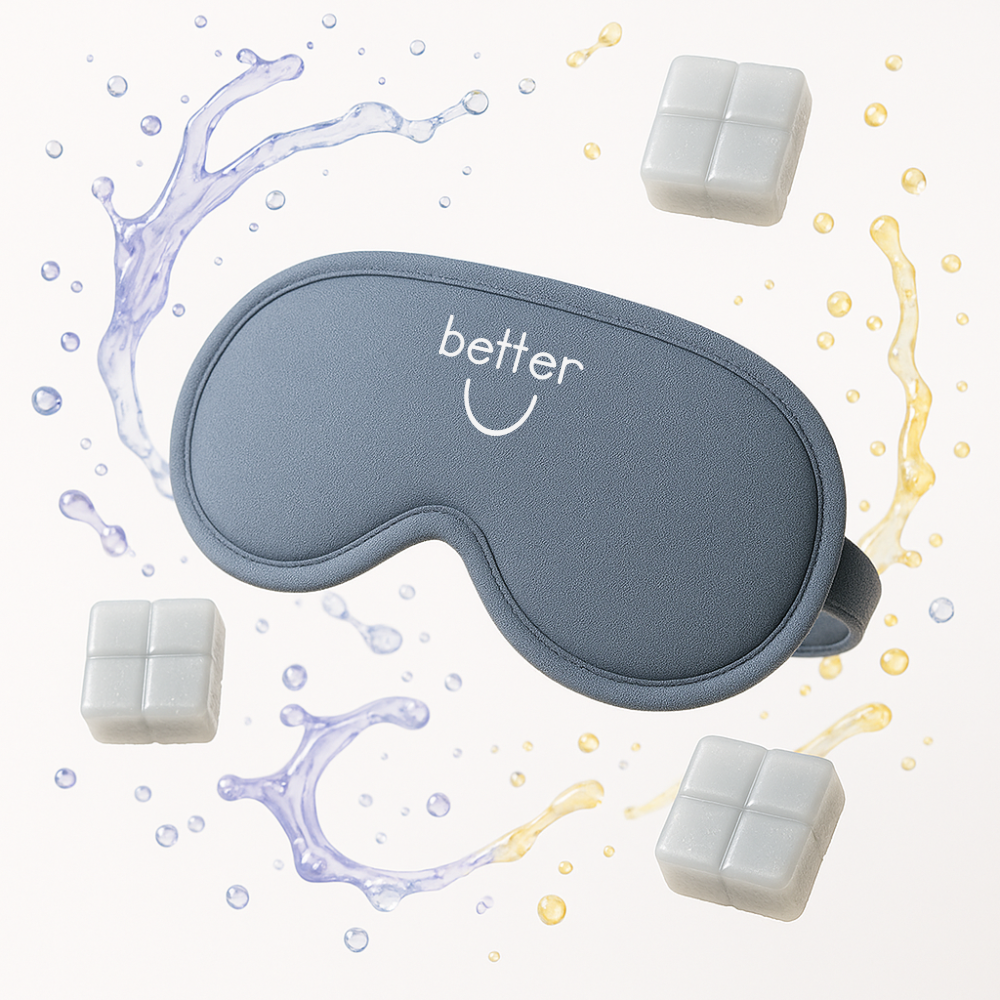
Your environment plays a huge role in your experience. The goal is to create a space that feels like a sanctuary—somewhere you feel completely at ease and uninterrupted. Start by choosing a comfortable place where you can sit or lie down for the duration of your session, like your bed or a cozy couch. Dim the lights or draw the curtains to create a soft, gentle atmosphere. Many people find that an eye mask helps them turn their focus inward.
Consider adding calming sensory elements, like a soft blanket or a few drops of a soothing essential oil. You’ll also want to prepare a playlist of instrumental music, as sound can be a powerful guide during your session. Most importantly, ensure you won’t be disturbed. Put your phone on silent, and let anyone you live with know that you need some quiet, private time.
Prepare Your Mind and Body
How you care for yourself physically and mentally before a session can make a significant difference. In the 24 hours leading up to your treatment, focus on gentle self-care. Make sure you are well-hydrated, and plan to eat a light, nourishing meal a few hours beforehand, but avoid eating right before your session. It’s also important to abstain from alcohol or other non-prescribed substances, as they can interfere with the experience.
To help quiet your mind, you might try a simple grounding practice, like a few minutes of deep breathing or a short meditation. This isn’t about clearing your mind completely but rather about calming your nervous system and arriving at your session with a sense of presence and calm.
Set Intentions for Your Journey
Setting an intention provides a gentle focus for your session. It’s not a rigid goal or an expectation of a specific outcome, but rather a question or a theme you’d like to explore. An intention acts as a compass, helping to guide your inner exploration. Before your session, take some quiet time to reflect on what you hope to understand or work through. Your intention could be a question, like, "What is at the root of my anxiety?" or a statement, such as, "I want to be more compassionate with myself."
You can write your intention down in a journal to help solidify it. Sharing it with your clinician or integration coach can also be a valuable step. This simple practice helps frame your at-home ketamine therapy as a purposeful, collaborative process in your personal growth.
What to Expect During and After Your Session
Knowing what your at-home ketamine therapy session will entail can help you feel more prepared and grounded as you begin. While each person’s journey is unique, the structure of a medically supervised session is designed to support you every step of the way. The experience itself is just one part of the process; what comes after is where you begin to translate insights into meaningful, lasting change in your daily life. The goal is not to escape your reality, but to see it with a new perspective.
The Session Experience: A Timeline
Your session will begin in the comfortable, quiet space you’ve prepared in your home. You’ll connect with your clinician via telehealth to review your intentions and answer any last-minute questions. Once you feel ready, you will self-administer your oral ketamine dose. As the medicine takes effect over the next 15 minutes, you might notice shifts in your sensory perception, like changes in how you experience light or sound. The core of the experience, which typically lasts 45 to 60 minutes, is often deeply introspective. Many people describe it as a dreamlike state that allows them to observe their thoughts and memories without the usual emotional charge. Your clinician remains available throughout this period to ensure you feel supported. Afterward, you’ll have plenty of time to rest as the effects gently fade.
Clearing Up Common Misconceptions
It’s natural to have questions about what an at-home session feels like. A common concern is the idea of “losing control.” It’s important to remember that therapeutic ketamine is administered in a clinical dose, which is very different from recreational use. The experience is not about intense hallucinations but about creating a gentle distance from your usual thought patterns. This allows for new perspectives to emerge. With a structured program like Better U’s at-home ketamine therapy, you are never alone. The entire process is medically supervised to guide you through the journey, helping you navigate the experience with a sense of curiosity rather than fear. The aim is to foster introspection and emotional processing in a contained environment.
Why Integration Is Key to Lasting Change
The ketamine therapy session itself can open a window to new insights, but the period that follows is where the transformative work truly happens. This process is called integration. After a session, your brain may be in a more neuroplastic state, making it more receptive to forming new thought patterns and behaviors. This is the time to process what you experienced with the help of an integration coach. Through journaling, mindfulness, and guided conversations, you can begin to make sense of your journey and apply your insights to your everyday life. This supportive follow-up is what helps turn a powerful experience into sustainable personal growth, helping you build new, healthier emotional habits over time.
Tools to Support Your Ketamine Therapy Journey
A ketamine therapy session can be a powerful experience, but the work doesn't stop when the session ends. The period of increased neuroplasticity that follows is a window of opportunity for growth and change. To make the most of this time, it’s helpful to have a set of tools that support your journey. These practices can help you process your experiences, ground yourself in the present, and translate insights from your sessions into your daily life.
The Role of Integration Coaching
Think of integration coaching as a supportive partnership that helps you make sense of your ketamine therapy experiences. During a session, you might encounter profound emotions, memories, or new perspectives. An integration coach helps you explore these insights and connect them to your life and intentions. This process is essential for turning the abstract feelings from a session into concrete, lasting change. With a guide, you can build a framework for understanding your journey and develop actionable steps to carry the momentum forward, making integration coaching a cornerstone of the therapeutic process.
Mindfulness and Grounding Exercises
Mindfulness and grounding exercises are simple yet powerful ways to prepare your mind and body for treatment. Before a session, practices like deep breathing or a body scan meditation can help create a calm and centered state. During the experience, these techniques can help you stay present and navigate any intense emotions that may arise. Focusing on the sensation of your feet on the floor or the rhythm of your breath can provide an anchor, reminding you that you are in a controlled setting. These grounding exercises are skills you can carry into everyday life to manage moments of stress or anxiety.
Journaling for Deeper Insight
Journaling is a powerful tool for capturing the thoughts, feelings, and images that emerge during and after a ketamine therapy session. Your mind may be more open and associative, and writing down your reflections can preserve those insights before they fade. This practice allows for deeper self-exploration and helps you identify patterns or themes over time. You don’t need to write a perfect narrative; simple bullet points, sketches, or a few sentences about what you noticed can be incredibly valuable. This personal record becomes a map of your journey, helping you and your clinician track your progress.
Is At-Home Ketamine Therapy the Right Path for You?
Deciding to explore a new approach to your mental wellness is a significant step. At-home ketamine therapy is a deeply personal journey, and it’s important to determine if it aligns with your needs and circumstances. This path requires commitment, not just to the sessions themselves, but to the integration work that follows. If you're feeling ready for a change and are curious about what this treatment might offer, here are a few things to consider as you weigh your options and prepare for what’s next.
Evaluate Your Personal Readiness
Before starting any new treatment, it’s helpful to check in with yourself. Are you in a place where you can create the time and space for this experience? At-home sessions require a quiet, private setting where you won’t be disturbed. Beyond the logistics, consider your emotional readiness. This work can bring up deep feelings, so having a stable support system and a genuine desire for introspection is key.
One of the practical benefits of at-home treatment is its accessibility. It can be a more affordable option than in-clinic infusions and removes the need to arrange travel, allowing you to undergo treatment in the comfort of your own space. If you're looking for a path that fits into your life with more ease and empowers you to take an active role in your wellness journey, exploring an at-home ketamine therapy program could be a logical next step.
Talk with Your Healthcare Provider
It's essential to discuss any new treatment with a trusted healthcare provider. Your primary doctor or therapist understands your health history and can offer valuable perspective on whether at-home ketamine therapy is a suitable option for you. They can help you consider all the available avenues for your mental health and ensure you’re making a well-rounded, informed decision.
A comprehensive medical screening is a non-negotiable part of any responsible ketamine therapy program. At Better U, our clinicians conduct a thorough evaluation to understand your unique health profile. Speaking with your existing provider beforehand adds another layer of collaborative care, ensuring everyone involved in your wellness journey is on the same page. This conversation is a vital part of advocating for your health and moving forward with confidence.
How to Take the Next Step
If you’ve considered your readiness and spoken with your provider, the next step is to connect with a specialized clinical team. The process typically begins with an initial consultation to review your history and answer your questions. This is your opportunity to understand the program’s structure, from medical supervision to the integration support that helps you process your experiences.
Once you begin, preparation is key. You will be asked to designate a treatment monitor—a trusted adult who can be present in the home during your session. You’ll also want to prepare your space to be a calm, distraction-free environment. Taking these steps helps create a supportive container for your journey. If you're ready to learn more about how our programs work, you can explore our transparent pricing and packages to find the plan that feels right for you.
Related Articles
- Unlocking the Future of Mental Health: The Benefits of At-Home Ketamine Therapy and Telehealth
- Who is ketamine therapy right for?
- Ketamine Therapy is Making Waves in the Mental Health Community-What Is It?
Frequently Asked Questions
Am I really alone during my at-home sessions? Not at all. While you are in the privacy of your own home, the entire process is structured with professional and personal support. A clinician is available to you throughout your session via telehealth to provide guidance. You will also have a trusted person, your treatment monitor, physically present with you in your home to offer a calm and reassuring presence. This combination of remote clinical oversight and in-person support ensures you feel held and grounded throughout your experience.
Is the ketamine medicine the only part of the therapy? The medicine is just one component of a much larger therapeutic process. The ketamine therapy session can create a window of mental flexibility, but the lasting change comes from the work you do before and after. This is why integration coaching is a core part of the program. Your coach helps you prepare for your sessions by setting intentions and then works with you afterward to process your insights and apply them to your daily life. The medicine is a tool; the integration is how you learn to use it.
What does a typical at-home ketamine therapy session feel like? Each person's experience is unique, but many describe it as a dreamlike or meditative state. It’s not about intense hallucinations, but rather a gentle shift in perception that can allow you to observe your thoughts and feelings from a new vantage point. You might feel a sense of detachment from your usual worries or see old memories in a different light. The goal is to create a space for introspection, and the entire experience is guided by a clinical dose in a controlled, supportive setting.
Why choose an at-home program over going to a clinic? An at-home program offers a level of comfort, privacy, and convenience that many people find empowering. Being in your own familiar environment allows you to create a personal sanctuary, which can deepen the therapeutic experience. It also removes the logistical stress of traveling to a clinic, taking time off work, and arranging transportation. Furthermore, at-home models are often more accessible from a financial standpoint compared to in-clinic IV infusions.
How do I know if at-home ketamine therapy is a suitable option for me? This journey is often considered by individuals who have found that traditional treatments for conditions like depression, anxiety, or PTSD haven't provided the change they were hoping for. The first step is always a comprehensive medical screening with a qualified clinician. They will review your health history and discuss your personal goals to determine if this approach is an appropriate fit for you. It’s a collaborative decision made with professional guidance to ensure it aligns with your specific needs.
Disclaimer: The content on this page is for informational and educational purposes only and is not medical or psychiatric advice. It does not create a patient–provider relationship and is not a substitute for consultation with a licensed clinician. Some treatments discussed (including holistic, weight management, sexual health, ketamine or other innovative therapies) may involve off‑label or non‑FDA‑approved uses and are not guaranteed to be safe, effective, or appropriate for you. Always talk with a qualified healthcare professional before making any changes to your care. Better U’s clinical team is available to provide personalized telemedicine appointments to determine which treatments, if any, may be appropriate for your individual situation.
Latest articles

Brain Fog: What Causes It?
Learn More About: Brain Fog: What Causes It?
The Role of Telemedicine in Modern Mental Healthcare

How Social Media May Affect Mental Health
.jpg)
What Burnout Really Looks Like