
.svg)


How to Combat Stress: Understanding the Mind-Body Connection


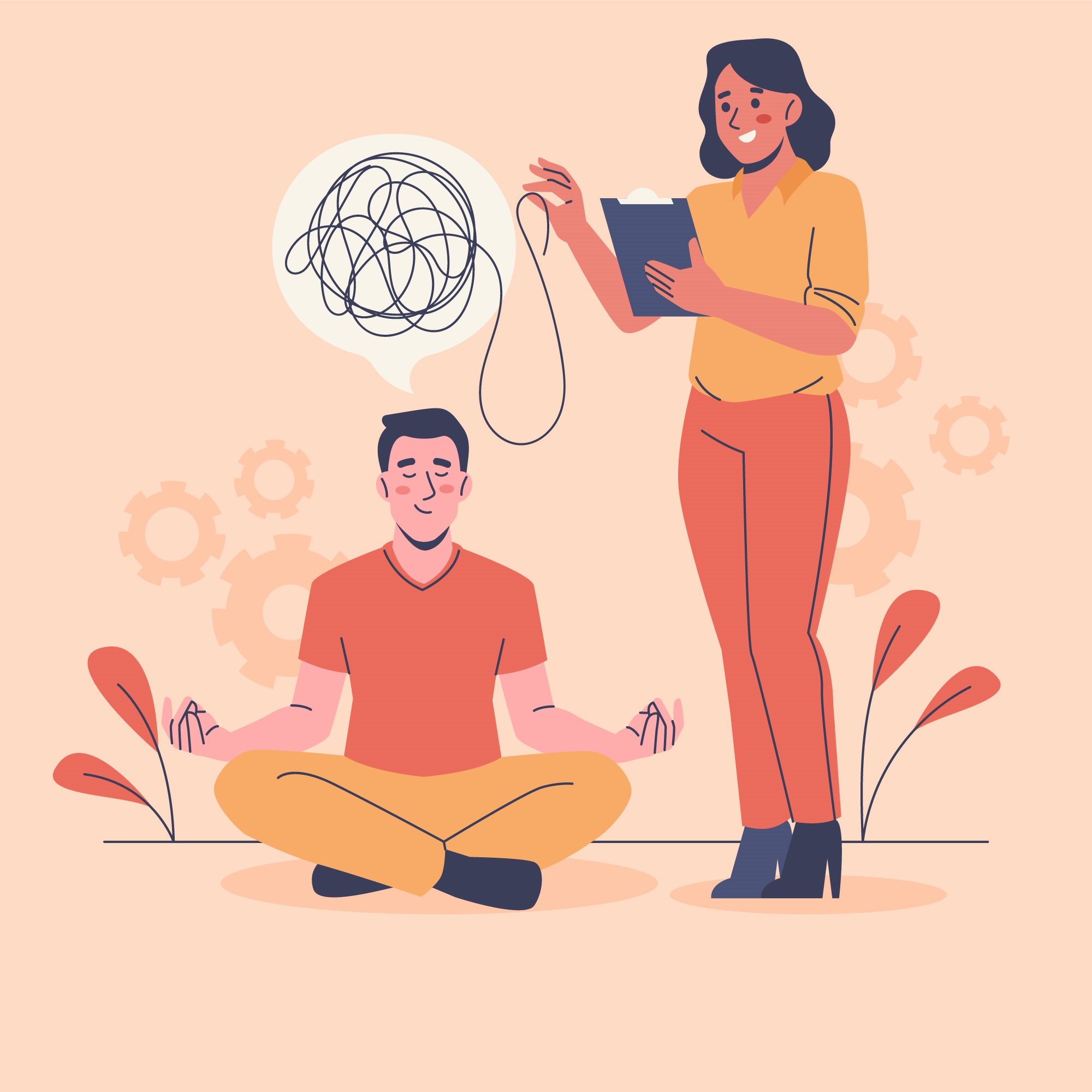
Stress is a normal part of life.
In small amounts, stress can help people stay focused, motivated, and alert. But when stress becomes chronic or overwhelming, it can begin to affect both mental and physical health.
At Better U, we believe stress management is an important part of overall wellness and mental healthcare.
What Happens to the Body During Stress?
When the brain perceives stress, the body activates its “fight-or-flight” response.
This response may increase:
- Heart rate
- Muscle tension
- Alertness
- Stress hormone levels such as cortisol
While this reaction can be helpful during short-term challenges, chronic stress may contribute to symptoms such as:
- Anxiety
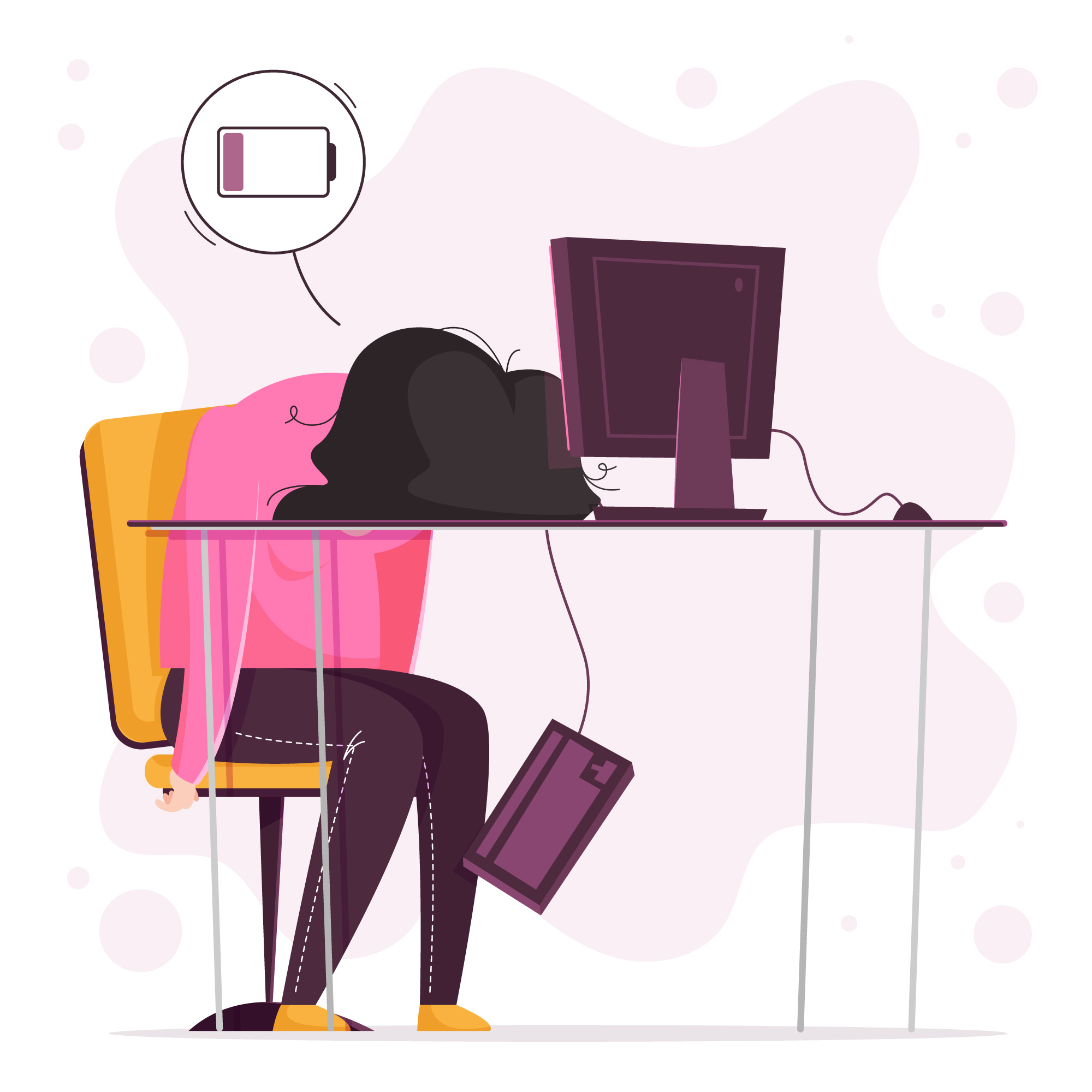
- Fatigue
- Sleep disruption
- Irritability
- Difficulty concentrating
- Headaches or muscle tension
- Emotional overwhelm
- Burnout
Long-term stress may also affect physical health, including cardiovascular, immune, and metabolic function.
Why Stress Feels Harder Today
Modern life can create constant mental stimulation and pressure.
Many individuals are balancing:
- Work demands
- Financial stress
- Family responsibilities
- Caregiving
- Social pressures
- Technology and screen overload
- Sleep disruption
- Lack of downtime
When the nervous system rarely has time to recover, stress can begin to feel persistent rather than temporary.
Lifestyle Habits That May Support Stress Management
There is no single solution for stress, and everyone responds differently. However, research suggests certain daily habits may help support emotional resilience and nervous system regulation.
These may include:
Prioritizing Sleep
Sleep plays a major role in emotional regulation, stress recovery, and cognitive function. Poor sleep may increase irritability and make everyday stress feel more difficult to manage.
Regular Physical Activity
Movement may help support mood, reduce muscle tension, and regulate stress responses. Even light activity such as walking or stretching may be beneficial for some individuals.
Mindfulness and Relaxation Practices
Techniques such as meditation, breathing exercises, journaling, yoga, or mindfulness practices may help some individuals slow down and reconnect with the present moment.
Social Connection
Strong relationships and supportive communities may help buffer the effects of stress and emotional isolation.
Balanced Nutrition
Nutrition may also influence energy levels, mood stability, and overall physical wellness.
The Importance of Realistic Expectations
One of the biggest contributors to stress is the pressure to do everything perfectly.
Mental health professionals often encourage realistic expectations, boundaries, and self-compassion rather than constant productivity or perfectionism.
For many individuals, small consistent changes may feel more sustainable than major lifestyle overhauls.
When Stress Becomes More Than Stress
Sometimes chronic stress may overlap with mental health conditions such as anxiety, depression, PTSD, or burnout.
Signs it may be helpful to seek professional support include:
- Persistent anxiety or panic
- Sleep difficulties
- Feeling emotionally overwhelmed
- Difficulty functioning at work or home
- Irritability or emotional numbness
- Physical symptoms related to stress
- Difficulty coping with daily responsibilities
Mental healthcare may involve therapy, psychiatric evaluation, medication management, lifestyle support, or other personalized approaches depending on the individual.
A Whole-Person Approach to Wellness
At Better U, we believe stress management should be approached through compassionate, individualized care that recognizes the connection between emotional and physical health.
Through telemedicine-based services, Better U connects individuals with licensed healthcare professionals who can help evaluate symptoms and discuss personalized wellness and mental healthcare options.
Learn more about Better U’s holistic psychiatry services here:
https://www.betterucare.com/holisticpsychiatry
Disclaimer: The content on this page is for informational and educational purposes only and is not medical or psychiatric advice. It does not create a patient–provider relationship and is not a substitute for consultation with a licensed clinician. Some treatments discussed (including holistic, weight management, sexual health, ketamine or other innovative therapies) may involve off-label or non-FDA-approved uses and are not guaranteed to be safe, effective, or appropriate for you. Always talk with a qualified healthcare professional before making any changes to your care. Better U’s clinical team is available to provide personalized telemedicine appointments to determine which treatments, if any, may be appropriate for your individual situation.
Latest articles
Brain Fog: What Causes It?
Learn More About: Brain Fog: What Causes It?
The Role of Telemedicine in Modern Mental Healthcare
How Social Media May Affect Mental Health
.jpg)
What Burnout Really Looks Like