
.svg)


How Does At-Home Ketamine Therapy Work? A Guide


If you’ve lived with persistent symptoms of depression or anxiety, you know how it can feel like being stuck in a mental rut. The same looping thoughts and heavy feelings can create deep, well-worn pathways in the brain. While many traditional treatments focus on serotonin, some people find they need a different approach to help forge new connections. This is where understanding how does at-home ketamine therapy work becomes so important. It interacts with the brain’s glutamate system, a key player in neuroplasticity—the brain’s natural ability to adapt and reorganize itself. This process may create a temporary period of mental flexibility, making it possible to build healthier thought patterns with the support of a dedicated care team, all from the comfort of home.
Key Takeaways
- A Different Approach to Brain Health: Ketamine therapy interacts with the brain's glutamate system, which may support the formation of new neural pathways and offer a fresh perspective when traditional medications haven't led to the desired changes.
- Guidance Is a Core Part of the Process: A structured at-home program is a fully supported experience, including a thorough clinical evaluation, preparation guidance, and essential integration coaching to help you process your insights.
- Your Personal Space Can Support Your Journey: The at-home model prioritizes your comfort and privacy, allowing you to create a controlled, familiar environment that can help you feel more grounded and open during your sessions.
What Is At-Home Ketamine Therapy?
For many people looking for new ways to approach their mental health, at-home ketamine therapy has emerged as a thoughtful alternative. Unlike traditional treatments that can take weeks or months to show an impact, this modality offers a different path forward. It combines the science of ketamine with the comfort and privacy of your own space, guided by a dedicated clinical team. This approach is designed for those who feel stuck and are ready to explore a new tool for personal growth and self-understanding, all from a familiar environment.
A New Approach to Mental Wellness
At-home ketamine therapy is a structured, professionally guided treatment that uses prescribed, low doses of oral ketamine. Instead of visiting a clinic, you can have your sessions in a comfortable and controlled setting, like your living room. This approach is designed to make the experience more accessible and less intimidating. A core component of a well-designed program is the integration support that comes with it. This means you’re not just taking a medication; you’re working with coaches or therapists to process your experiences, gain insights, and turn them into lasting changes in your daily life. It’s a holistic process that pairs the treatment with dedicated human support.
Conditions It May Support
This form of therapy is often explored by individuals who haven't found the results they hoped for with traditional approaches. Research has examined its potential for people experiencing symptoms of treatment-resistant depression, anxiety, PTSD, and OCD. While it’s not a fit for everyone, some studies suggest that telehealth-supported at-home ketamine therapy may help reduce the intensity of moderate to severe anxiety and depression. The goal isn't to numb feelings but to create a window of mental flexibility, allowing you to build new perspectives and healthier thought patterns with the guidance of your care team.
At-Home vs. In-Clinic Experiences
The main difference between at-home and in-clinic ketamine therapy is the environment. In-clinic treatments, like IV infusions, involve direct, in-person supervision by medical staff. For some, this provides a strong sense of security. The at-home model, however, prioritizes comfort, privacy, and personal agency. It allows you to create a calming space that feels entirely your own, which can be a powerful part of the therapeutic process. Reputable at-home programs bridge the gap by providing thorough clinical oversight through telehealth, ensuring you are supported every step of the way. This model also makes treatment more accessible and aligns with a modern approach to mental healthcare.
How Does Ketamine Therapy Affect the Brain?
If you’ve explored traditional mental health treatments, you’re likely familiar with medications that work on serotonin. For many, these can be a part of the solution, but for others, they don’t quite address the root of the struggle, leading to a frustrating cycle of trial and error. Ketamine therapy offers a different approach by interacting with the brain in a fundamentally distinct way. Instead of focusing on serotonin or norepinephrine, it works with a powerful neurotransmitter system that plays a key role in learning, memory, and mood regulation.
This unique mechanism is what allows for a different kind of therapeutic experience. It’s less about gradually adjusting chemical levels over weeks and more about creating a window of opportunity for the brain to build new connections. Think of it as opening a door to new perspectives and thought patterns that felt inaccessible before. This process can help interrupt the rigid, looping thoughts that often accompany conditions like depression and anxiety. Understanding how this works can demystify the experience and empower you on your journey. We’ll look at three key aspects of how ketamine therapy interacts with the brain: its work within the glutamate system, how this sets it apart from other medications, and its role in supporting the brain’s natural ability to change and adapt.
Exploring the Glutamate System
Unlike antidepressants that target serotonin, ketamine therapy primarily interacts with the brain’s glutamate system. Glutamate is the most abundant chemical messenger in your brain, acting like a major highway for communication between nerve cells. It’s essential for nearly everything your brain does, from forming memories to regulating your mood. Ketamine therapy works by temporarily blocking a specific receptor in this system, called the NMDA receptor. This action is thought to set off a chain reaction, leading to the growth of new connections, or synapses, between brain cells. This process may help restore pathways that have been affected by long-term stress or depression.
How It Differs from Traditional Antidepressants
For decades, the most common psychiatric medications have focused on increasing levels of neurotransmitters like serotonin and norepinephrine. While this approach can be supportive for some, it often requires weeks or even months to notice any changes and can come with a host of side effects that impact daily life. This is a key reason why many people feel stuck or frustrated with conventional care. Ketamine therapy’s focus on the glutamate system represents a significant shift. Because it works on a different pathway, any shifts in thought patterns or mood may be noticed on a different timeline than with traditional medications.
Supporting Neuroplasticity and New Pathways
One of the most profound ways ketamine therapy may support mental wellness is by promoting neuroplasticity—the brain's incredible ability to reorganize itself by forming new neural connections. Think of depression or anxiety as creating deep, well-worn ruts in your thinking. It can feel impossible to get out of them. Ketamine therapy is thought to create a temporary period of enhanced neuroplasticity, almost like smoothing over those ruts and making the ground fertile for new, healthier pathways to form. This is why integration is so crucial. In this flexible state, you can work with a coach to turn insights from your sessions into lasting changes in your daily life.
What Does the At-Home Ketamine Therapy Journey Look Like?
Starting a new path for your mental health can feel like a big step, and it’s natural to wonder what the process actually involves. At-home ketamine therapy isn’t just about taking medication; it’s a structured, supportive experience designed to help you explore new perspectives from the comfort of your own space. The journey is a partnership between you and your clinical team, combining medical guidance with intentional self-care. From the very first conversation to the integration work that follows, every step is designed with your well-being in mind.
Understanding the flow of treatment can help demystify the process and empower you to move forward with confidence. It begins with a careful and thorough evaluation to ensure this is the right approach for you. From there, you’ll learn how to prepare your mindset and your environment to create a calm, supportive setting for your sessions. The experience itself is just one piece of the puzzle. The insights and shifts that can occur during a session are then carried forward through dedicated follow-up care and integration, helping you connect your experiences to your daily life. This holistic approach ensures you feel supported not just during treatment, but long after.
Your Initial Consultation
Your journey begins with a comprehensive consultation with a licensed clinician. This isn't just a formality; it's a crucial first step to ensure that at-home ketamine therapy is an appropriate option for your unique health profile and personal goals. During this meeting, your clinician will review your medical history, discuss your past experiences with other treatments, and answer any questions you have. This conversation allows them to build a personalized treatment plan tailored to you. It’s a collaborative process designed to make sure you feel seen, heard, and confident in the path ahead.
Preparing Your Space for Treatment
Creating the right environment is a key part of the at-home therapy experience. Before each session, you’ll be guided to prepare a quiet, comfortable, and distraction-free space. This is your personal sanctuary for the duration of the treatment. Think of it as setting the stage for introspection. This might mean choosing a cozy room, dimming the lights, putting on a calming playlist, and having soft blankets nearby. By minimizing interruptions—like turning off your phone notifications—you give yourself the best opportunity to turn your focus inward and remain present throughout the experience.
What to Expect During a Session
A typical session lasts about two to three hours, which includes time for preparation, the treatment itself (around an hour), and a gentle recovery period. During the active part of the session, it’s common to experience shifts in your perceptions. You might feel a sense of disconnection from your usual thoughts or surroundings, which is a normal part of the process. Many people describe it as a dreamlike or meditative state. Having a trusted friend, family member, or partner present in your home during the session can provide an extra layer of comfort and support.
The Role of Integration and Follow-Up Care
The ketamine therapy session is a catalyst, but the lasting change happens through integration. This is the process of making sense of your experiences and applying any new insights to your everyday life. At Better U, this is supported through integration coaching and regular follow-up care. Your clinician will check in on your progress, monitor how you’re feeling, and make adjustments to your treatment plan as needed. Combining the sessions with this dedicated support helps you connect the dots between your inner journey and your outer world, fostering a more sustainable path toward well-being.
Why Consider At-Home Ketamine Therapy?
For many people who feel stuck after trying traditional mental health treatments, the idea of a different approach can feel both hopeful and overwhelming. The environment where you do deep emotional work matters, and a clinical setting isn’t always the right fit for everyone. At-home ketamine therapy offers a different path, one that places you in a familiar, controlled, and private space. This approach is built around the idea that your internal journey can be profoundly supported by your external surroundings.
Choosing to pursue ketamine therapy at home is a personal decision, often driven by a desire for greater comfort, accessibility, and a sense of personal agency in your own wellness journey. It removes many of the logistical and emotional barriers that can come with in-clinic visits, like travel, scheduling, and the potential anxiety of a medical environment. Instead, it allows you to integrate the experience into your life in a way that feels more natural and less disruptive, creating a foundation for introspection and change right where you are.
The Comfort and Privacy of Your Own Home
One of the most significant considerations for many is the ability to have your therapeutic experience in a space where you already feel grounded. A clinical office can sometimes feel sterile or impersonal, which can make it difficult to relax and be vulnerable. When you’re at home, you can relax in a familiar space, surrounded by your own things. This sense of comfort can be incredibly supportive when you’re exploring your inner world. You have the freedom to create a setting that feels genuinely calming to you, without the presence of strangers or the pressure of a formal medical environment. This level of privacy allows you to focus completely on your experience without worrying about external judgment or observation.
Understanding the Cost and Accessibility
Beyond comfort, practical factors like cost and access are often major hurdles in mental healthcare. In-clinic ketamine infusions can be expensive due to facility fees and the overhead of running a medical center. At-home programs can often be a more affordable option, as they remove many of these associated costs. This makes the treatment more accessible to a wider range of people who might otherwise be priced out. Furthermore, for those living in areas with limited mental health services, telehealth models of care can bridge a critical gap, bringing support directly to you without the need for long-distance travel. You can learn more about our transparent ketamine therapy pricing and what’s included in our programs.
The Potential for a New Perspective
When you’ve been living with persistent symptoms of depression, anxiety, or PTSD, it can feel like you’re trapped in rigid patterns of thinking and feeling. Ketamine therapy works differently than many traditional medications by interacting with the brain’s glutamate system, which may help create new neural pathways. For some, this can open the door to a new perspective, allowing them to observe their thoughts and emotions with a greater sense of detachment and clarity. This shift can be a powerful catalyst for change, especially when paired with our holistic psychiatry approach that includes integration coaching to help you make sense of your insights and turn them into lasting growth.
Finding Calm in a Familiar Environment
The concept of "set and setting" is central to any profound therapeutic experience. "Set" refers to your mindset, and "setting" refers to your physical environment. Being at home gives you complete control over your setting. You can prepare a quiet, comfortable, and distraction-free space that is tailored to your needs. This might mean dimming the lights, choosing calming music, wrapping yourself in a favorite blanket, or having meaningful objects nearby. By curating your environment, you are actively participating in your own care and creating a container of calm that can support you through the experience. This intentional preparation helps foster a mindset of openness and introspection, which is foundational to the work.
Understanding Potential Risks and Side Effects
Making an informed choice about your mental health journey means understanding all aspects of a potential treatment, including the possible side effects. Like any therapeutic modality, at-home ketamine therapy comes with its own set of considerations. Being aware of what you might experience allows you to prepare properly and move forward with confidence. It’s also why a comprehensive clinical screening is such a critical first step. A responsible program will always begin with a thorough evaluation to ensure the treatment is an appropriate option for your unique health profile.
This transparency is key. The goal isn’t to cause alarm, but to empower you with knowledge. Many of the common side effects are temporary and occur during the treatment session itself, subsiding shortly after. Understanding the difference between a typical response and a sign of a more serious issue is vital, which is why ongoing clinical support is a cornerstone of a well-structured at-home program. With the right preparation and professional guidance, you can feel more grounded and centered as you begin this new chapter in your wellness journey.
Common Experiences During Treatment
During a ketamine therapy session, it’s common to experience temporary changes in your perception and physical sensations. Many people report feeling a sense of disconnection from their immediate surroundings or their body, which can feel like floating or dreaming while awake. You might also experience dizziness, lightheadedness, mild nausea, or a temporary increase in heart rate and blood pressure.
These sensations are a normal part of the process and typically fade within an hour or two after your session concludes. This is why creating a comfortable, quiet space is so important—it allows you to relax into the experience without external distractions. Knowing what to expect can help you surrender to the journey rather than resisting it, turning these moments of altered perception into opportunities for introspection.
Important Health Considerations to Review
At-home ketamine therapy is not a one-size-fits-all solution, and it’s not suitable for everyone. A thorough medical evaluation is essential to identify any potential health risks. Certain pre-existing conditions can make ketamine therapy inappropriate, including uncontrolled high blood pressure, a history of psychosis, certain heart or respiratory conditions, or a personal or family history of substance use challenges.
Being completely open and honest with your clinician during your initial consultation is crucial for your well-being. This conversation is designed to protect you and ensure that you are only proceeding if it is a suitable option for you. Programs that skip this in-depth screening process can pose significant risks, which is why partnering with a reputable clinical team is non-negotiable.
Managing Altered Perceptions and Disorientation
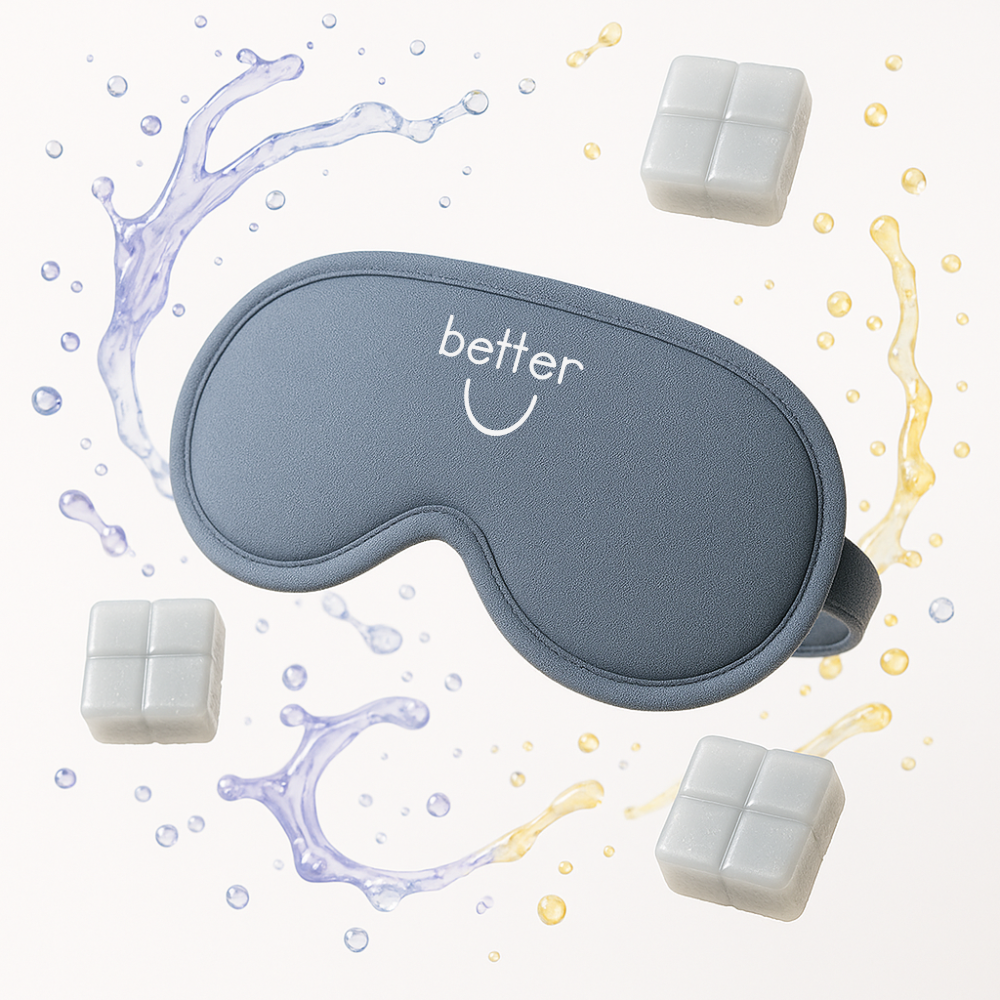
The dream-like or dissociative state that can occur during ketamine therapy is often where new insights and emotional shifts happen. While it can feel unfamiliar, this experience doesn't have to be disorienting. You can manage these feelings by preparing your mindset and environment beforehand. Simple practices like using an eye mask to block out light, listening to a curated playlist of calming music, and having a trusted friend or family member in another room can create a feeling of security.
Remember, the goal is not to fight these sensations but to observe them with curiosity. Think of it as stepping back to see your thoughts and feelings from a new vantage point. After the session, integration coaching can help you process what you experienced, make sense of your insights, and translate them into meaningful, lasting change in your daily life.
Is At-Home Ketamine Therapy a Fit for You?
Deciding to explore a new path for your mental health is a significant step. At-home ketamine therapy is a unique journey that invites deep introspection, and it’s not a one-size-fits-all solution. It’s a commitment to a process that involves preparation, intention, and integration. If you're wondering whether this approach aligns with your needs, it’s helpful to consider your treatment history, overall health, and emotional readiness. Thinking through these areas can help you make an informed and empowered choice about your care.
For Those with Treatment-Resistant Conditions
If you’ve navigated traditional mental health treatments for conditions like depression or anxiety and feel like you’ve hit a wall, you’re not alone. Many people explore at-home ketamine therapy after finding that conventional antidepressants haven’t led to the changes they were hoping for. This treatment works differently by interacting with the brain’s glutamate system. For individuals with a history of treatment-resistant symptoms, this alternative mechanism can open up a new avenue for care. It’s a path for those seeking a different way to approach their mental wellness and move forward.
Key Medical and Psychological Factors
Your well-being is the top priority, so any program should begin with a thorough medical and psychological evaluation. A clinician will review your health history to determine if you are a candidate for treatment. Certain conditions, like uncontrolled high blood pressure, specific cardiovascular issues, or a personal or family history of psychosis, may mean this isn't the right approach for you. While large studies have explored this treatment for anxiety and depression, a comprehensive screening is essential. This initial consultation is a crucial step in building a trusting partnership with your care team.
Assessing Your Emotional Readiness
Beyond the clinical assessment, it’s important to check in with yourself. Ketamine therapy can bring you into close contact with your thoughts and emotions. Are you open to exploring your inner world with curiosity and compassion? Are you prepared to set aside time not just for the session, but for the reflection that follows? This readiness is less about feeling perfect and more about being willing to engage with the process. The most profound shifts often happen when insights are nurtured through integration. A genuine desire for introspection and a commitment to the program's structured support are key indicators that you’re ready.
Guidelines for a Supported At-Home Experience
Embarking on an at-home ketamine therapy journey is a deeply personal process, and the environment you create for it matters immensely. This isn’t just about the treatment itself; it’s about building a container of intention and support that allows for meaningful introspection. When you feel grounded and cared for, you can more fully engage with the experience and integrate its insights into your life.
Think of these guidelines not as rigid rules, but as acts of self-compassion. Preparing your space, inviting the right support, and trusting in clinical oversight are all ways of honoring your commitment to your mental wellness. A structured approach helps ensure that your sessions are held in a framework of care, allowing you to focus on your inner work. By intentionally shaping your experience, you create the conditions for new perspectives to emerge. The goal is to build a foundation of trust—in the process, in your clinical team, and most importantly, in yourself.
The Importance of Clinical Supervision
First and foremost, at-home ketamine therapy should always happen under the guidance of a qualified medical team. Attempting this journey without professional oversight can introduce unnecessary risks. A clinical team does more than just prescribe medication; they provide the essential structure for your entire experience. From your initial consultation to your integration sessions, they are there to answer questions, monitor your progress, and ensure you feel supported. This continuous professional relationship is what distinguishes a therapeutic program from simply using a substance. It provides a framework of care that is fundamental to the process.
Creating Your Ideal Setting
Your environment plays a huge role in your experience. Before each session, take some time to prepare a quiet, comfortable, and distraction-free space where you won’t be interrupted. This might be your bedroom or a cozy corner of your living room. Dim the lights, put on a comfortable eye mask, and have soft blankets and pillows nearby. Many people find it helpful to listen to calming, instrumental music or a curated playlist. By creating a peaceful setting, you signal to your mind and body that it’s time to turn inward, helping you get the most out of your ketamine therapy session.
Choosing a Support Person to Be Present
While your journey is your own, you don’t have to do it completely alone. We recommend having a trusted friend, partner, or family member present in your home during your sessions. This person, often called a "sitter," isn't there to guide your experience but to offer a grounding presence. Just knowing someone is nearby can help you feel more secure and relaxed. Choose someone who is calm, supportive, and understands the importance of giving you quiet space. Their role is simply to be available for support and to help if any unexpected feelings arise.
Monitoring Your Experience
Even though you are at home, you are not disconnected from your care team. As part of a structured program, a medical professional will guide you through the process and monitor your experience remotely. This oversight is a key part of the process, allowing your clinician to check in on you and address any questions or side effects that may come up. This level of attention ensures you are cared for throughout the session. The comprehensive support included in our treatment packages is designed to provide this continuous connection, blending the comfort of home with professional clinical care.
Your First Session: A Step-by-Step Guide
Knowing what to expect can help you feel more grounded and open as you begin your journey. While every person’s experience is unique, the structure of at-home ketamine therapy is designed to provide a supportive framework for your inner work. From preparing your space to integrating your insights, each step is an important part of the process. The goal is to create a container of comfort and intention, allowing you to fully engage with the experience as it unfolds.
Your first session is a significant milestone, and our team is here to guide you through it. We’ll walk you through the entire process, ensuring you feel informed and prepared. This guide breaks down what a typical first session looks like, so you can approach it with a sense of calm and curiosity.
Preparing Before Your Treatment
Before your first session, you’ll complete a comprehensive medical and mental health evaluation to ensure our at-home ketamine therapy program is an appropriate fit for you. Once cleared, preparation becomes about creating a calm and intentional environment. Think of your space as a sanctuary for your experience. Choose a quiet, comfortable room where you won’t be disturbed. You might dim the lights, play some calming instrumental music, or have a cozy blanket and eye mask ready. Setting an intention—a gentle focus for your session, like “I am open to new perspectives”—can also help ground your experience.
Navigating the Experience
A typical session lasts about two to three hours. This includes time to settle in, the active part of the experience (which is often around an hour), and a period of rest afterward. During the session, a medical professional will be available to guide you and monitor your journey. It’s common to experience altered perceptions of time and space or a feeling of being disconnected from your usual thoughts and feelings. These sensations are a normal part of the process and can allow for new insights to surface. The key is to relax into the experience rather than trying to control it.
Gentle Aftercare Practices
The time after your session is just as important as the experience itself. This is when integration—the process of making sense of your insights and emotions—begins. We strongly encourage combining ketamine therapy with ongoing support, like the integration coaching included in our programs. This helps you translate your experiences into meaningful changes in your daily life. In the hours and days following a session, be gentle with yourself. Journaling about what came up, spending time in nature, or simply resting can help you process your journey and carry its lessons forward.
How Does At-Home Ketamine Therapy Compare to Other Options?
When you’ve tried conventional treatments without seeing the changes you hoped for, exploring new options is a natural and courageous next step. Understanding how at-home ketamine therapy fits into the broader landscape of mental health care can help you make an informed choice. It offers a distinct experience from in-clinic treatments and works differently than the antidepressants many people are familiar with. By weighing the differences, you can decide which path aligns best with your needs for comfort, accessibility, and personal growth.
At-Home vs. In-Clinic Ketamine Therapy
The most significant difference between these two models is the environment. In-clinic ketamine therapy, often administered via IV infusion, requires you to travel to a medical facility for each session. For some, this structured setting provides a sense of security. However, a medically supervised, at-home program allows you to undergo treatment in a space where you already feel grounded and comfortable—your own home. This can be especially important when you’re exploring vulnerable emotional states. A familiar environment may help you relax and engage more deeply with the experience, free from the potential stress of a clinical setting. It also removes logistical hurdles like travel and scheduling, making consistent treatment more manageable.
A Different Path from Traditional Antidepressants
If you’ve been on a journey with traditional antidepressants like SSRIs, you know they can take weeks or even months to build up in your system. These medications primarily work on neurotransmitters like serotonin. Ketamine therapy takes a different approach by working on the brain’s glutamate system. Glutamate is a powerful neurotransmitter that plays a key role in neuroplasticity—the brain's ability to form new connections and pathways. Instead of just managing symptoms, this process may help your brain create new ways of thinking and processing emotions. For many who feel "stuck" in rigid patterns of thought, this offers a fundamentally different mechanism for change.
Weighing Accessibility and Personal Comfort
Beyond the therapeutic approach, practical considerations like cost and comfort are important. In-clinic IV infusions can be expensive and are often not covered by insurance, creating a significant financial barrier. At-home programs using oral ketamine therapy are typically more affordable, with transparent pricing that makes the treatment more accessible. Furthermore, personal comfort is a huge factor in your healing journey. The ability to control your environment—choosing your own music, lighting, and comfortable seating—allows you to create a personalized sanctuary for your sessions. This sense of agency and privacy can make a profound difference in how you experience and integrate your treatment.
Making an Informed Choice for Your Path Forward
Deciding to explore a new path for your mental health is a deeply personal process. If you've spent years trying different approaches that haven't brought the change you hoped for, it’s understandable to feel a mix of hope and hesitation. This isn't about finding a quick fix, but about thoughtfully considering what might support your long-term well-being. The goal is to gather information, connect with your own needs, and make a choice that feels right for you, right now. It’s about moving from a place of feeling stuck to one of empowered decision-making, where you are an active participant in your own journey.
Thinking about a treatment like at-home ketamine therapy involves looking at it from a few different angles. What has your journey looked like so far? Who do you have in your corner for support? And what do you need to feel confident as you consider your next step? Answering these questions can help bring clarity and allow you to approach this decision with intention. This is your journey, and you are in the driver's seat. The following sections are designed to help you think through these important considerations, so you can determine if this approach aligns with your personal goals for growth and change.
Reflecting on Your Treatment History
Your past experiences with mental health care are not failures; they are data. Each one has taught you something valuable about what does and doesn’t work for you. When considering at-home ketamine therapy, it’s helpful to look at it within the context of your unique journey. For some, it may be a primary approach, while for others, it can be used in conjunction with other treatments, like in-office infusions or ongoing talk therapy. This flexibility allows it to be adapted to your specific circumstances. Thinking about your history can help you and your clinician understand how this treatment might fit into your broader wellness plan and support your personal goals.
Considering Your Personal Support System
Embarking on any new therapeutic journey is easier when you don't have to do it alone. Having a strong support system is a key component of personal growth. This could be a partner, a trusted friend, a family member, or a therapist who can offer a listening ear and encouragement. When you’re exploring deep emotional territory, knowing someone is there for you can make all the difference. This is why structured programs often include clinical oversight and integration support. In fact, some studies suggest that at-home ketamine therapy supported by telehealth can be a promising option for individuals dealing with moderate to severe anxiety and depression.
Taking the Next Step with Confidence
Feeling confident in your choice comes from a combination of research and intuition. It’s important to find a provider you trust and to feel comfortable with the process. As you gather information, you’ll find a growing body of research exploring this modality. For instance, a large open-label effectiveness trial adds to the clinical understanding of its use for anxiety and depression. Learning about the science, understanding the treatment protocols, and having an open conversation with a qualified clinician can help you move forward. When you’re ready, the next step is simply starting a conversation to see if this path feels aligned with your needs.
Related Articles
- Unlocking the Future of Mental Health: The Benefits of At-Home Ketamine Therapy and Telehealth
- Who is ketamine therapy right for?
- Ketamine Therapy is Making Waves in the Mental Health Community-What Is It?
Frequently Asked Questions
What makes this "therapy" instead of just taking a medication at home? This is an important distinction. At-home ketamine therapy is a comprehensive, structured program guided by a licensed clinical team from start to finish. It's not just about receiving a prescription. The process includes a thorough medical evaluation, personalized treatment planning, and continuous professional oversight. The "therapy" component is centered on integration coaching, which helps you process your experiences, make sense of new insights, and apply them to your daily life. This combination of medical guidance and intentional self-work is what defines it as a therapeutic journey.
What is "integration coaching" and why is it so important? Integration is the process of turning the insights from your ketamine therapy sessions into lasting changes. A session can open a window to new perspectives, but the real work happens afterward. Integration coaching provides you with dedicated support to explore what came up for you, connect it to your personal goals, and develop new habits and thought patterns. It’s the bridge between the experience itself and your everyday life, helping you build a more sustainable foundation for your well-being.
Do I have to be alone during my sessions? No, and we actually recommend that you aren't. While the inner journey is yours, having a trusted support person, or "sitter," present in your home can provide a sense of security and comfort. This person isn't there to guide you, but simply to be a calm, grounding presence nearby. In addition to your chosen support person, your clinical team will also be available to monitor your experience remotely, so you are supported on multiple levels throughout the entire process.
How is this different from an in-clinic IV infusion? The primary difference is the setting and method of administration. In-clinic infusions are administered intravenously in a medical facility, while our program uses oral ketamine therapy in the comfort of your own home. This allows you to create a personalized, private, and calming environment that you control, which can be a powerful part of the experience. The at-home model also removes the need for travel and can be a more accessible and affordable option for many people.
How do I know if this is the right path for me? The first step is a comprehensive consultation with a licensed clinician. This is a collaborative conversation where you can discuss your health history, your past experiences with other treatments, and your personal goals. It's an opportunity to ask questions and determine if this approach aligns with your needs. This isn't a fit for everyone, and that initial screening is designed to ensure this is an appropriate option for your unique circumstances before you move forward.
Latest articles

Brain Fog: What Causes It?
Learn More About: Brain Fog: What Causes It?
The Role of Telemedicine in Modern Mental Healthcare
How Social Media May Affect Mental Health
.jpg)
What Burnout Really Looks Like