
.svg)


Your Guide to At-Home Sublingual Ketamine for Anxiety


For years, the conversation around anxiety has focused on brain chemicals like serotonin. While important, that’s only part of the story. Your brain has a remarkable ability to change and form new connections throughout your life, a process called neuroplasticity. Anxiety can feel like being trapped on a single, deeply worn mental path. A different therapeutic approach works by supporting this process of neuroplasticity, helping your brain build new pathways around old, anxious thought patterns. A program of at-home sublingual ketamine for anxiety is designed to do just that, creating a window of enhanced brain flexibility that, when paired with integration support, can help you consciously carve out new mental trails.
Key Takeaways
- A Different Approach to Anxious Thoughts: Ketamine therapy interacts with the brain’s glutamate system, supporting its natural ability to form new connections. This process can create an opportunity to build new perspectives and move beyond rigid, repetitive thought patterns.
- Structure and Support Are Non-Negotiable: The comfort and privacy of at-home treatment should always be paired with a comprehensive clinical framework. A quality program includes thorough medical screening, ongoing clinician guidance, and dedicated integration coaching to support your entire journey.
- Your Participation Is Part of the Process: This is a collaborative journey, not a passive one. The insights gained during sessions are most impactful when you commit to the integration work afterward, helping to turn moments of clarity into sustainable personal growth.
What Is At-Home Ketamine Therapy for Anxiety?
At-home ketamine therapy is a structured, medically supervised program that allows you to undergo treatment from the comfort and privacy of your own home. For many who have found traditional approaches to anxiety to be insufficient, this represents a different path forward. It combines the administration of oral ketamine medication with professional guidance and integration support to help you explore new perspectives and develop healthier thought patterns. Unlike treatments that require frequent trips to a clinic, this model is designed to fit into your life, providing a more accessible and personal way to approach your mental wellness journey.
How It Works in the Brain
Traditional antidepressants often work by targeting serotonin levels, but ketamine therapy functions differently. It primarily interacts with the glutamate system, a major chemical messenger in your brain. By influencing this system, ketamine therapy may help foster new connections between brain cells. Think of it as creating an opportunity for your brain to build new pathways around the rigid thought patterns that anxiety often reinforces. This process, known as neuroplasticity, can open a window for profound personal insights and emotional shifts. It’s important to note that while this is a well-studied medication, its use for mental health conditions is considered "off-label" by the FDA.
Sublingual vs. Other Methods
At-home ketamine therapy typically uses sublingual lozenges, also called troches, which are designed to dissolve under your tongue. This method is much simpler and more discreet than in-clinic IV infusions, which require needles and clinical monitoring for several hours. With a sublingual approach, you can prepare your own calm, comfortable setting for your session. This method also makes treatment more accessible from a financial standpoint. By removing the overhead costs associated with infusion clinics, at-home programs can offer a more approachable pricing structure for those seeking consistent care without the significant expense of repeated in-person visits.
The Rise of At-Home Treatment
As at-home mental health treatments become more available, it’s natural to have questions about how they are managed. The quality and structure of a program are what truly matter. Some programs may lack the necessary clinical oversight, but a comprehensive protocol is built with your well-being as the top priority. At Better U, our approach includes thorough medical screenings, ongoing clinician guidance, and dedicated integration coaching to help you process your experiences. This wraparound support system is designed to ensure you feel prepared and held throughout your entire journey. Choosing a provider that offers these holistic services is key to a responsible and supportive treatment experience.
How Ketamine Therapy Can Address Anxiety
When you’re living with anxiety, your brain can feel like it’s stuck in a loop, replaying the same worries and fears. Traditional approaches often work to manage the symptoms of this cycle, but they don’t always address the underlying neural patterns that keep it going. Ketamine therapy works differently. Instead of just dulling the anxiety, it interacts with your brain’s chemistry in a way that can create a window for profound change. By supporting the brain’s natural ability to adapt and form new connections, this treatment can help you step outside of rigid thought patterns and build new, more resilient ways of thinking. It’s less about suppressing anxiety and more about creating the conditions for your brain to find a new perspective.
Exploring the Glutamate Connection
Much of the conversation around anxiety and depression has centered on serotonin, but there’s another key player in your brain: glutamate. Think of glutamate as one of the brain’s most important messengers, responsible for facilitating communication between nerve cells and playing a vital role in learning and memory. When you’re experiencing chronic stress or anxiety, this communication system can become disrupted. Ketamine therapy is thought to work by interacting with a specific receptor in the brain called the NMDA receptor, which in turn influences glutamate levels. This action may help reset communication pathways, allowing for a more flexible and adaptive flow of information and creating an opportunity to see things from a new vantage point.
Creating New Pathways with Neuroplasticity
Your brain is not static; it has a remarkable ability to reorganize itself by forming new neural connections throughout your life. This is called neuroplasticity. Anxiety can feel like being trapped on a single, deeply worn mental path, making it hard to imagine any other way of feeling. The experience of ketamine therapy is associated with an increase in neuroplasticity, which essentially gives your brain the resources to build new pathways. This period of enhanced flexibility can make it easier to challenge old thought patterns and develop healthier coping mechanisms, especially when you combine the treatment with integration practices like journaling or therapy. It’s an opportunity to consciously carve out new mental trails.
What to Expect: A Potential Timeline
Everyone’s journey with ketamine therapy is unique, so there’s no universal timeline for change. However, many people report noticing a shift in their perspective or a change in their symptoms within hours or days of their initial sessions. This isn’t about anxiety suddenly disappearing. Instead, it might feel like a newfound sense of clarity, a temporary distance from overwhelming thoughts, or a greater capacity for self-compassion. This initial shift creates a valuable window to do the deeper work of building lasting change. The full treatment program, including ongoing sessions and integration support, is designed to help you turn these moments of insight into sustainable new habits and perspectives.
What Does the Research Say?
As interest in ketamine therapy grows, researchers are beginning to explore how it can be administered in a telehealth setting. This emerging body of research provides valuable insights into at-home protocols, patient experiences, and treatment outcomes for conditions like anxiety and depression. It's a field that's constantly evolving, and looking at the data helps us understand the landscape of at-home mental health care. By examining these studies, we can get a clearer picture of what a structured, supportive at-home ketamine therapy program looks like and what individuals might experience.
Studies on Telehealth Ketamine Therapy
Recent studies have begun to investigate the use of at-home, sublingual ketamine therapy delivered through telehealth platforms. One large, prospective study looked at this model for individuals with moderate to severe anxiety and depression. The research was conducted through online video calls with clinicians, demonstrating the potential for telehealth to expand access to mental health treatments. This kind of research is important because it helps establish frameworks and protocols for administering ketamine therapy outside of a traditional clinic, which has historically been the standard. The findings contribute to a better understanding of how this approach can be structured.
Understanding Treatment Outcomes
The outcomes reported in at-home ketamine therapy research are noteworthy. In the same study, a significant number of participants experienced a reduction in their symptoms. The published findings indicated that after four weeks of treatment, 62.9% of patients with anxiety saw their symptoms improve by 50% or more. For those with depression, 62.8% of patients saw a similar level of improvement. These results suggest that at-home, sublingual ketamine therapy may produce rapid and notable changes for some individuals, comparable to what has been observed in clinic-based settings.
Reviewing the Data on At-Home Protocols
The research also underscores the importance of structured support and monitoring. The data from the telehealth study highlighted that careful screening of patients before treatment and remote observation during sessions were key components. This oversight was associated with a lower incidence of side effects and contributed to the overall patient experience. These findings reinforce the necessity of comprehensive clinical protocols for any at-home ketamine therapy program. A thorough screening process, clear guidance, and professional monitoring are foundational to a well-structured treatment plan, ensuring that individuals feel supported throughout their journey.
The Benefits of At-Home Ketamine Therapy
When considering a new approach to mental wellness, the treatment itself is just one piece of the puzzle. The environment where you do this important work can significantly influence your experience. An at-home ketamine therapy program offers a unique set of benefits that address many of the practical and emotional hurdles of traditional clinical care, creating a supportive foundation for your journey.
Treat from the Comfort of Home
Receiving treatment in a clinical setting can be stressful for some, but an at-home program allows you to remain in a space where you already feel grounded. Being in a familiar environment can help lower anxiety and create a sense of calm before your session even begins. You have complete control over your surroundings—you can dim the lights, choose meaningful music, and have comforting items nearby. This ability to personalize your setting supports the therapeutic process by allowing you to feel more relaxed and open. Our at-home ketamine therapy program is designed to put you in charge of your environment, fostering a sense of agency as you do this deep, internal work.
A Private and Discreet Process
For many, privacy is a major concern when seeking mental health support. The thought of sitting in a waiting room or explaining appointments can be a significant barrier to getting care. At-home ketamine therapy removes these hurdles entirely. Your sessions are conducted in the privacy of your own home, on your schedule, eliminating the need for travel or public clinic visits. This level of discretion is especially valuable for professionals, parents, and anyone who prefers to keep their wellness journey personal. It allows you to focus completely on your experience without worrying about external judgment or stigma.
Comparing Costs: At-Home vs. In-Clinic
The cost of in-clinic ketamine infusions, which can run into thousands of dollars, often puts this option out of reach for many people. At-home sublingual ketamine therapy was developed, in part, to offer a more financially accessible alternative. By removing the overhead costs associated with a physical clinic—such as facility maintenance and extensive on-site staffing—at-home programs can provide treatment at a fraction of the price. This approach makes it possible for more individuals to explore ketamine therapy without facing a significant financial burden. You can review our transparent ketamine therapy pricing to see how this model makes long-term care more sustainable.
Making Treatment More Accessible
Beyond cost, at-home ketamine therapy addresses other major barriers to care, like geography and time. If you live in a rural area or a city without a local clinic, finding treatment can be nearly impossible. Even if a clinic is nearby, scheduling appointments and travel time can be a logistical challenge for busy professionals or caregivers. A telehealth model removes these obstacles. It allows you to connect with clinicians and receive treatment no matter where you live, fitting sessions into your life instead of rearranging your life for your sessions. This structure makes our services available to a much broader range of people who might otherwise be unable to access this type of care.
Understanding Side Effects and Important Considerations
Before beginning any new treatment, it’s important to understand what you might experience. At-home ketamine therapy is a structured, clinician-guided process, and knowing what to expect can help you feel more prepared and comfortable. Our clinical team is here to support you through every step, ensuring you have the information you need for your journey.
Common Side Effects During a Session
During a ketamine therapy session, some people may experience temporary side effects. These can include mild nausea, dizziness, or a feeling of lightheadedness. You might also notice changes in your sensory perception, such as seeing colors more vividly or feeling a sense of detachment from your immediate surroundings. These experiences are typically short-lived and subside soon after your session ends. Our program includes careful screening and remote monitoring protocols to support your well-being throughout the process. We also provide guidance on how to prepare for your session to create a comfortable experience.
What to Expect from a Dissociative Experience
One of the experiences some people report during ketamine therapy is dissociation, which can be described as a feeling of being disconnected from your thoughts, body, or environment. For some, this creates a sense of distance from persistent anxious thoughts, allowing for a new perspective. It’s not about "checking out" but rather about observing your inner world from a different vantage point. This unique state can open the door to new insights that you can explore later with your integration coach. Not everyone has a strong dissociative experience, and the goal is not the experience itself, but the personal growth that can follow.
Who Should Not Consider This Treatment?
While ketamine therapy can be a valuable tool for many, it is not appropriate for everyone. A thorough screening process is essential to ensure this treatment aligns with your health needs. You should not consider ketamine therapy if you have certain medical conditions, including uncontrolled high blood pressure, a history of psychosis or mania, serious heart or respiratory problems, or hyperthyroidism. It is also not suitable for individuals who are pregnant, nursing, or trying to become pregnant. Our clinical team conducts a comprehensive evaluation of your medical history to determine if our holistic psychiatry programs are a good fit for you.
Our Protocols for At-Home Administration
Your well-being is our top priority, which is why we have developed thorough protocols for at-home administration. Before your first session, we provide detailed instructions on how to prepare your space and yourself for the experience. This includes creating a calm, quiet, and comfortable setting where you will not be disturbed. We also guide you on having a trusted person, or "sitter," present in your home during the session. Our clinical team is available for support, and we use remote monitoring to stay connected throughout your treatment. This structured approach helps create a supportive container for your journey.
Your At-Home Treatment Journey: A Step-by-Step Guide
Starting a new therapeutic path can feel like a big step, but knowing what to expect can make all the difference. Our at-home ketamine therapy program is designed to be a clear, supportive, and structured experience from start to finish. Here’s a look at what your journey with us involves, broken down into four simple phases.
Step 1: Your Initial Consultation and Screening
Your journey begins with a comprehensive consultation with one of our licensed clinicians. This is much more than a simple sign-up; it’s a thorough evaluation to ensure this treatment is an appropriate option for you. We’ll discuss your mental health history, current symptoms, and what you hope to achieve. This initial screening is a crucial part of the process, as studies on at-home ketamine telehealth underscore the importance of proper clinical assessment. We’ll answer all of your questions and work with you to set clear intentions for your treatment, creating a personalized plan that aligns with your unique needs and goals.
Step 2: Prepare Your Space for Treatment
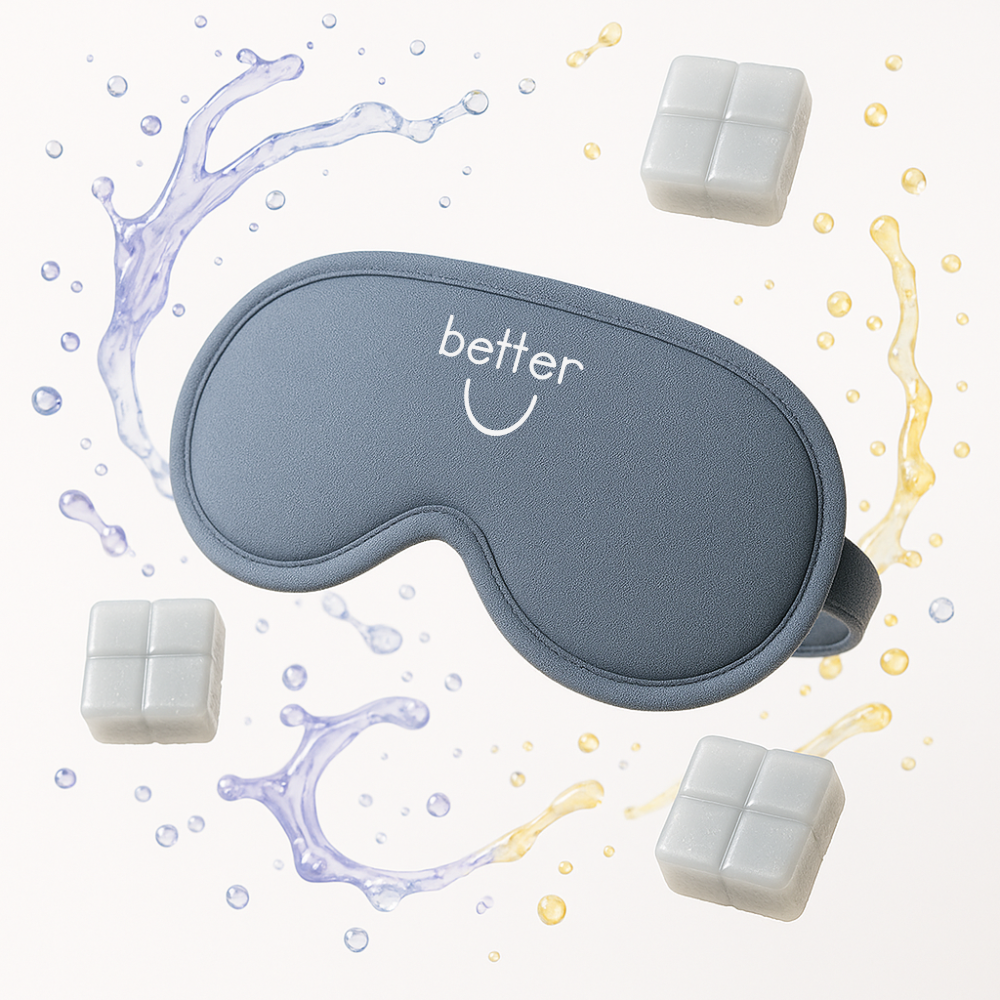
Creating a calm and comfortable environment is key to your experience. We call this preparing your "set and setting"—your mindset and physical space. Before your session, we recommend finding a quiet, private room where you won’t be disturbed. You might dim the lights, play some calming music, or have a cozy blanket and eye mask ready. It’s also wise to prepare your body by eating a light meal a few hours beforehand and staying hydrated. Having a journal and pen nearby can also be helpful for capturing any thoughts or feelings that arise after your session. This preparation helps you relax and be fully present for the experience.
Step 3: What to Expect During Your Session
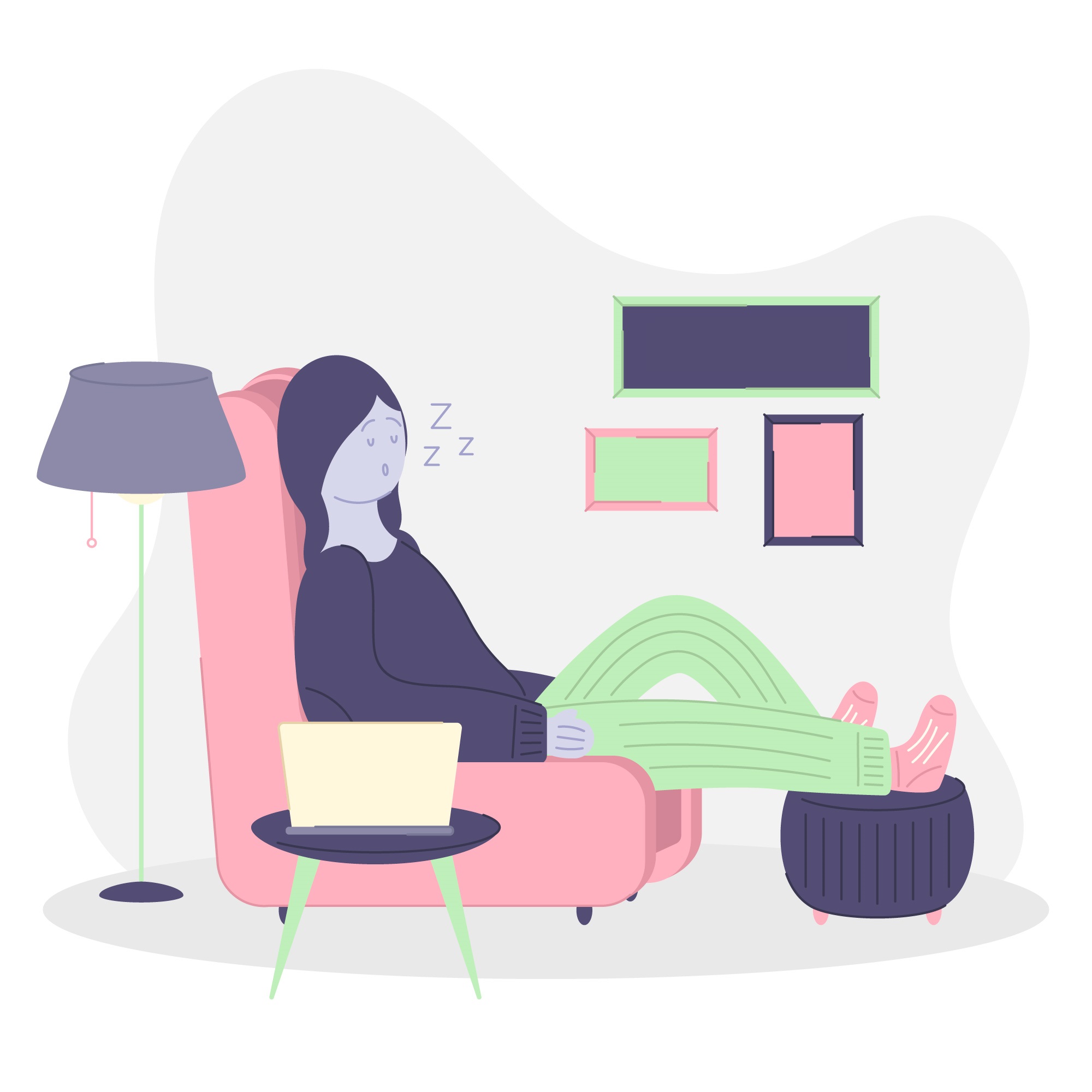
During your session, you’ll be in a comfortable, reclined position as the medicine takes effect. Many people describe the experience as a dreamlike or meditative state. It’s common to feel a sense of detachment from your usual thoughts and worries, which can create space for new perspectives to emerge. This feeling of disconnection, often called dissociation, is a normal part of the process for many individuals. Research has shown that at-home sublingual ketamine therapy can reduce symptoms of anxiety and depression, and our clinical team will be available to ensure you feel supported throughout your entire experience.
Step 4: Integration and Ongoing Support
The insights gained during a ketamine therapy session are powerful, but the real work happens afterward. Integration is the process of making sense of your experience and applying what you’ve learned to your daily life. This is where our dedicated integration coaching comes in. Your coach will help you explore themes from your session, develop new coping strategies, and build healthier thought patterns. Whether through journaling, meditation, or talking with your coach, this phase is dedicated to turning your breakthroughs into lasting, meaningful change. It’s an essential step in building a more resilient and fulfilling life beyond your treatment sessions.
Questions to Ask Your Healthcare Provider
When you’re considering a new path for your mental health, feeling prepared for the conversation with your provider can make all the difference. At-home ketamine therapy is a significant decision, and it’s essential to have a clear understanding of the process before you begin. A reputable provider will welcome your questions and provide transparent, thoughtful answers. Think of your initial consultation as a two-way conversation—it’s as much about you interviewing them as it is about them assessing if you’re a good fit for the program.
Asking direct questions is a powerful act of self-advocacy. It ensures you can separate fact from fiction and make an informed choice that aligns with your needs and goals. This is your opportunity to learn about the provider’s philosophy, their specific protocols, and the kind of support you can expect. Feeling confident in your care team is a foundational part of the journey. Use the questions below as a starting point to guide your discussion and empower you to move forward with clarity and assurance.
Your Consultation Checklist
Walking into a consultation with a list of questions can help you stay focused and ensure you cover all your bases. It shows you’ve done your research and are taking an active role in your care. Consider asking your potential provider the following:
- What is your experience with using ketamine therapy for anxiety?
- Can you walk me through what a typical at-home session looks like with your program?
- What kind of medical screening is involved before starting treatment?
- How is the dosage determined and adjusted over time?
- What does integration support look like, and how does it fit into the overall treatment plan?
- What are the total costs, and are there any payment plans available?
Discuss Your Medical History and Medications
Being completely open about your medical history is crucial. At-home ketamine therapy is not suitable for everyone, and a thorough screening process is the first step in a responsible treatment plan. Your provider needs a full picture of your health to determine if this approach is appropriate for you.
Be prepared to discuss any past or present medical conditions, especially uncontrolled high blood pressure, a history of psychosis, or certain heart conditions. It’s also vital to list every medication and supplement you take, including over-the-counter products. Some substances can interact with ketamine therapy, and transparency ensures your provider can create a plan that prioritizes your well-being within a holistic psychiatry framework.
Understand the Support and Monitoring Process
Since your sessions will take place at home, it’s important to understand the structure of support and supervision. You should never feel like you are on your own. Ask your provider about the specific protocols they have in place during and after your treatment sessions.
Find out who you’ll be communicating with and how. Is there a guide or clinician available to you during the experience? How will your progress be monitored over time? Studies on telehealth ketamine therapy have shown that careful patient checks and remote monitoring are key components of at-home protocols. A well-structured program will have clear answers about how they support you every step of the way, from preparation to integration.
Set Realistic Expectations for Your Journey
Ketamine therapy is a process, not a one-time event. It’s a tool that can create opportunities for new perspectives and emotional shifts, but it works in partnership with your own integration efforts. It’s helpful to set realistic expectations from the start.
Talk to your provider about what the journey might look like. Research shows that people respond to treatment differently; some may notice changes sooner, while others may have a more gradual progression. Ask about the typical treatment timeline and how progress is measured. Understanding that this is a journey with its own unique rhythm can help you approach it with patience and self-compassion, focusing on sustainable growth rather than immediate results.
Is At-Home Ketamine Therapy a Fit for You?
Deciding if a new therapeutic approach is right for you is a deeply personal choice, one best made in partnership with a qualified healthcare provider. At-home ketamine therapy isn’t a one-size-fits-all solution, but it may be a valuable tool for certain individuals, especially those who feel like they’ve exhausted other options. If you’re curious whether this path aligns with your needs, consider the following points. This can help you prepare for a conversation with a clinician to determine if you are a candidate for this type of program.
Who Is a Good Candidate for This Program?
This program is designed for adults who are looking for a different approach to managing persistent symptoms of anxiety and depression. Many people who explore ketamine therapy have already tried conventional treatments, like talk therapy or various medications, but haven't found the change they were hoping for. If you feel stuck in a cycle of symptoms and are seeking a new perspective, this might be a path to consider. A large study on at-home ketamine therapy indicated it may help individuals experiencing symptoms of anxiety and depression. The ideal candidate is someone who is open to introspection and committed to doing the integration work that helps turn insights from sessions into lasting personal growth.
A Note on Treatment-Resistant Anxiety
The term "treatment-resistant" can feel discouraging, but it simply means that at least two previous treatments haven't provided adequate change. For many, this looks like years of cycling through different medications or therapies without meaningful progress. It’s a frustrating experience that can leave you feeling hopeless. Clinical studies suggest that ketamine therapy may be a helpful tool for individuals with treatment-resistant conditions like depression, anxiety, and PTSD. Our holistic psychiatry program is built for those who are ready to explore alternatives to conventional medication models and find a path that addresses the root of their challenges.
Understanding When This Approach May Be Helpful
At-home ketamine therapy may be a good fit if you value privacy, comfort, and a structured, supportive process. The ability to undergo treatment in a familiar environment can be a significant benefit for many. This approach is also for individuals seeking more than just a prescription; it’s for those who want a comprehensive program that includes coaching to help integrate their experiences. Research into at-home, sublingual ketamine telehealth has shown it can produce significant antidepressant and anxiolytic effects, with outcomes comparable to those seen in clinic-administered treatments. With transparent pricing, this model also makes the treatment more accessible for those who find in-clinic options to be a financial or logistical barrier.
How to Get Started with At-Home Ketamine Therapy
Beginning a new mental health treatment can feel like a significant step, but the process for starting at-home ketamine therapy is designed to be clear, supportive, and centered around you. A reputable program will guide you through each phase, starting with a comprehensive evaluation to determine if this approach aligns with your personal needs and health history. The journey begins not with a prescription, but with a conversation. This ensures that you feel informed and confident from the very start. The entire process is structured to put your well-being first, from the initial consultation to the integration support that follows your sessions. It’s about finding a path forward that feels right for you, with a clinical team that understands your goals.
Find a Qualified Provider
When you’re ready to explore this option, the most important step is finding a qualified provider. Look for a program that is led by licensed clinicians and offers a structured, guided experience. A quality provider will offer more than just medication; they will provide a comprehensive program that includes thorough medical screenings and ongoing support. You want a team that sees you as a whole person and is committed to your journey. This includes offering services like integration coaching to help you process your experiences. Your provider should be a partner in your mental health, offering a program like Better U’s ketamine therapy that prioritizes a supportive and well-rounded approach.
Review Payment and Insurance Options
Understanding the financial aspect of treatment is a practical and important part of the process. While at-home ketamine therapy is often not directly covered by insurance, many programs are more accessible than in-clinic options. It’s worth exploring if you can use funds from a Health Savings Account (HSA) or Flexible Spending Account (FSA) to cover the cost. Some individuals are also able to get a portion of their program cost reimbursed by their insurance provider through out-of-network benefits. We recommend checking with your insurance company directly to understand your options. Reputable providers will offer transparent pricing so you can make an informed decision without any surprises.
Your Intake and Onboarding Process
Once you’ve chosen a provider, you’ll begin the intake and onboarding process. This typically starts with a confidential online assessment to gather information about your symptoms and medical history. Following that, you will have a telehealth consultation with a licensed clinician. This one-on-one video call is an opportunity to discuss your goals, ask questions, and determine if the program is a good fit for you. This telehealth approach is a common and studied method for administering at-home ketamine-assisted therapy. This careful screening process ensures that the treatment is appropriate for your specific circumstances and sets the foundation for your journey.
Related Articles
- How Ketamine Therapy Works for Depression & Anxiety
- Ketamine Therapy for Depression and Anxiety: How It Works
- Who is ketamine therapy right for?
- Unlocking the Future of Mental Health: The Benefits of At-Home Ketamine Therapy and Telehealth
Frequently Asked Questions
What makes this "therapy" and not just taking medication at home? That’s a great question, and it gets to the heart of what makes this approach different. At-home ketamine therapy is a comprehensive, structured program, not just a prescription. The medication is a tool used within a larger therapeutic framework that includes a thorough clinical evaluation, a personalized treatment plan, and ongoing guidance. The most important part is the integration coaching that follows your sessions, which is dedicated to helping you process your experiences and turn new insights into lasting changes in your daily life.
What does a ketamine therapy session actually feel like? Everyone’s experience is unique, but many people describe it as a dreamlike or meditative state. You might feel a sense of distance from your usual thoughts and worries, which can create space to see things from a new perspective. Some people experience changes in sensory perception or a feeling of disconnection from their body, which is temporary. The goal isn't the experience itself, but the opportunity it creates for introspection and personal growth in a calm, comfortable setting that you control.
How is at-home sublingual ketamine therapy different from in-clinic IV infusions? The main differences come down to the setting, method, and accessibility. In-clinic infusions involve receiving the medication intravenously with a needle in a medical facility. Our at-home program uses a sublingual lozenge that dissolves under your tongue, allowing you to have your session in the privacy and comfort of your own home. This at-home model also removes the overhead costs of a clinic, often making it a more approachable option financially and logistically.
What kind of support is available during and after a session? You are guided through every step of the process. Before your session, our clinical team provides detailed instructions to help you prepare your mindset and your environment. During the experience, we have remote monitoring protocols in place to ensure you feel supported. Afterward, you’ll work with a dedicated integration coach. This is where you explore the themes from your session, make sense of your insights, and learn how to apply them to your life in practical ways.
Is the goal to stay on ketamine therapy long-term? Not necessarily. Unlike some traditional medications that are taken daily for years, ketamine therapy is often approached as a tool to help create a period of enhanced mental flexibility. The treatment is designed to open a window for you to build new thought patterns and coping mechanisms. The integration work you do is what helps make these changes stick. The ultimate goal is to help you build resilience and new perspectives that you can carry forward, long after your treatment program is complete.
Disclaimer: The content on this page is for informational and educational purposes only and is not medical or psychiatric advice. It does not create a patient–provider relationship and is not a substitute for consultation with a licensed clinician. Some treatments discussed (including holistic, weight management, sexual health, ketamine or other innovative therapies) may involve off‑label or non‑FDA‑approved uses and are not guaranteed to be safe, effective, or appropriate for you. Always talk with a qualified healthcare professional before making any changes to your care. Better U’s clinical team is available to provide personalized telemedicine appointments to determine which treatments, if any, may be appropriate for your individual situation.
Latest articles
Brain Fog: What Causes It?
Learn More About: Brain Fog: What Causes It?
The Role of Telemedicine in Modern Mental Healthcare
How Social Media May Affect Mental Health
.jpg)
What Burnout Really Looks Like