

.svg)



Does Your Brain Go Back to Normal After Antidepressants?


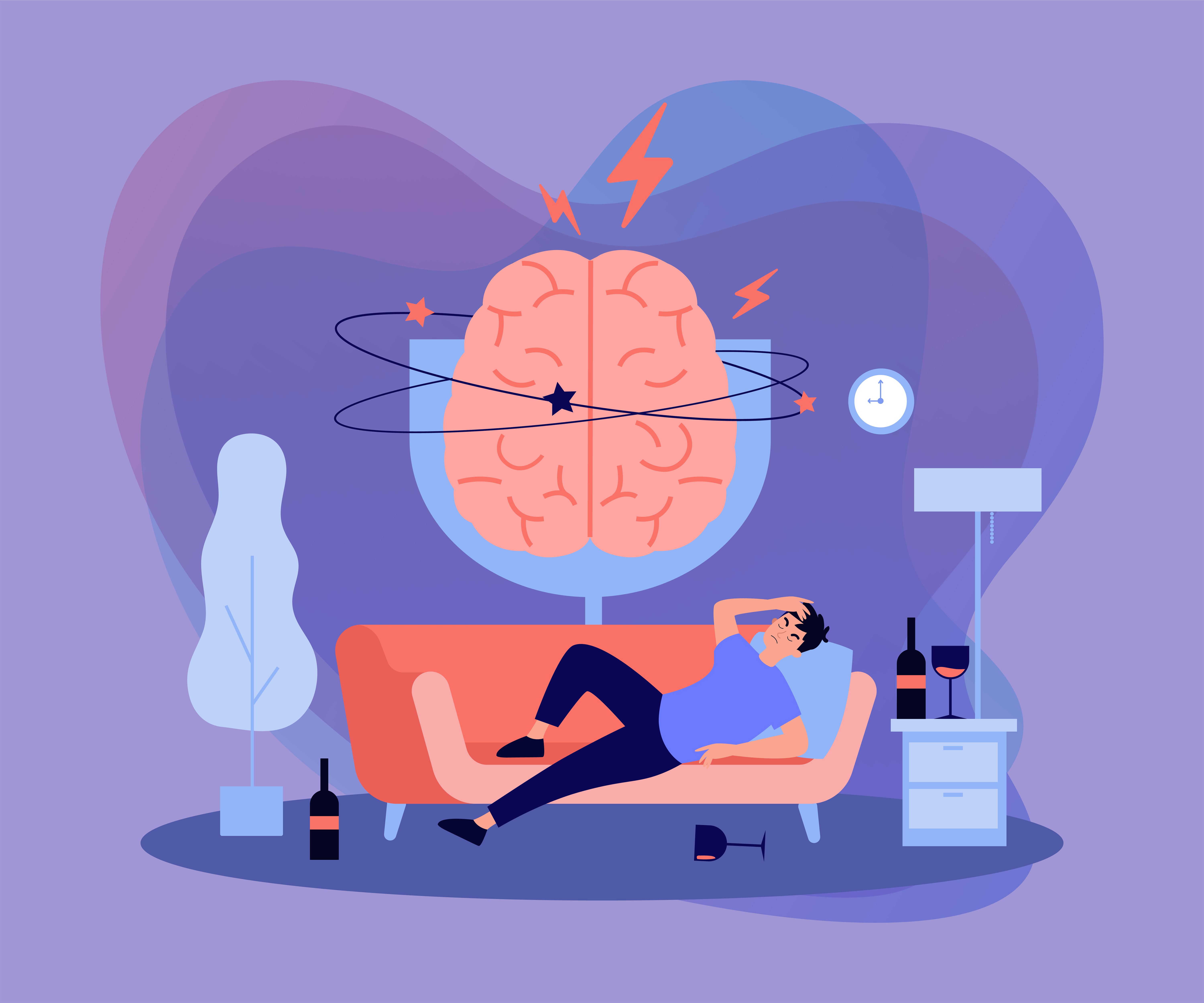
Making the choice to come off antidepressants is a deeply personal one. It’s a move toward reclaiming your own emotional baseline, but it can also feel like stepping into the unknown. Your brain has been operating with a certain kind of support, and now it has to learn to function without it. This leads to one of the most common and important questions people have: does your brain go back to normal after antidepressants? The process is more of a recalibration than a simple reset. This guide is here to demystify that journey, explaining the concept of neuroplasticity, what happens to your neurotransmitters, and how you can actively partner with your body and mind to build a strong foundation for your well-being moving forward.
Key Takeaways
- Your brain needs time to adjust: Coming off antidepressants is a biological process, not just a decision. Your brain has adapted to the medication over time and requires a period of recalibration to function without it.
- Partner with a professional for a gradual plan: Never stop medication abruptly. A slow, guided taper designed with a doctor minimizes withdrawal symptoms and gives your brain the best chance to adapt smoothly and comfortably.
- Build a foundation of support: You can actively help your brain's transition with consistent sleep, nourishing food, and gentle movement. Combining these habits with therapy provides the tools to manage emotional changes and build new coping skills.
How Antidepressants Change Your Brain
When you start taking an antidepressant, it does more than just influence your mood; it initiates a series of complex changes in your brain’s chemistry and structure. Understanding these changes is the first step in navigating the journey of stopping them. Far from being a simple on-off switch, these medications prompt your brain to adapt in significant ways. Over weeks and months, your brain rewires itself to function in a new chemical environment. This adaptation is why you can’t just stop taking them without a transition period—your brain needs time to readjust to its baseline. Let's look at the three main ways these medications influence your brain's inner workings.
Adjusting Neurotransmitter Levels
Most common antidepressants, like SSRIs and SNRIs, work by changing the availability of certain brain chemicals called neurotransmitters. Think of neurotransmitters as messengers that carry signals between your brain cells (neurons). Depression is often associated with lower levels of messengers like serotonin and norepinephrine. Antidepressants act like traffic controllers, preventing these neurotransmitters from being reabsorbed too quickly. This leaves more of them available in the space between neurons, which can help improve communication along these mood-related pathways. The primary mechanisms of action involve increasing these chemical messengers to help regulate mood and emotional responses.
Changing Receptor Sensitivity
Your brain is an incredibly adaptive organ. When antidepressants increase the amount of neurotransmitters available, your brain cells notice the change. Over time, they may respond by reducing the number of receptors or making them less sensitive—a process called down-regulation. It’s the brain’s way of maintaining balance, or homeostasis. This is a key reason why antidepressants can take several weeks to begin working and why their impact can change over time. This adjustment in brain neurochemistry is also why stopping suddenly can be so jarring; your brain has grown accustomed to this new, less sensitive state and needs time to reverse the process.
Rerouting Neural Pathways
Beyond just chemical levels, antidepressants can influence your brain's physical structure and function through a process called neuroplasticity. This is your brain’s ability to reorganize itself by forming new neural connections. Research suggests that depression can be linked to changes in brain regions like the hippocampus and prefrontal cortex. Antidepressants may help encourage the growth of new neurons and strengthen connections in these areas. This neuroplasticity hypothesis suggests that the medications don't just manage symptoms but can help reroute dysfunctional brain circuits over time, which is a core principle behind many new mental health treatments, including ketamine therapy.
What Happens When You Stop Taking Antidepressants?
When you decide to stop taking antidepressants, you’re starting a significant biological transition. It’s not just about removing a medication; it’s about allowing your brain to recalibrate and find a new sense of balance on its own terms. For months or years, your brain has adapted to the presence of a substance that influences its chemical messengers, like serotonin. In response, it changed its own internal chemistry, adjusting receptor sensitivity and even rerouting neural pathways to accommodate the medication’s effects.
Now, as you taper off, your brain has to undo those adjustments and re-learn how to function without that external support. This process is deeply personal and unique to your own physiology, the specific medication you were taking, and how long you were on it. It’s a period of profound change where your brain’s natural adaptability, or neuroplasticity, comes to the forefront. Understanding what’s happening on a neurological level can help you approach this transition with more patience and self-compassion, recognizing that any discomfort is often a sign of your brain actively working to find its equilibrium again.
How Your Brain Begins to Rewire Itself
Antidepressants often work by encouraging neuroplasticity, which is your brain's ability to form new connections and pathways. They can influence structural changes in brain regions tied to mood, like the prefrontal cortex and hippocampus. When you begin to taper off, your brain doesn’t just revert to its previous state. Instead, it starts a new rewiring process. Without the medication’s influence, your brain begins to prune old connections and build new ones based on your current experiences, thoughts, and environment. This is an active, dynamic phase where your brain is working to establish a new baseline for its chemical signaling and emotional regulation.
The Timeline for Rebalancing Brain Chemistry
One of the first things to change is your brain’s receptor activity. When you take an SSRI, for example, the increased serotonin in your system causes your brain to down-regulate, or reduce the sensitivity of, its serotonin receptors. When you stop the medication, your brain gets the signal to reverse this process. While some animal studies suggest that this initial reversal can begin within 24 hours, the full journey of rebalancing brain neurochemistry in humans is much more complex and gradual. It’s not an overnight switch but a steady process of your brain recalibrating its internal thermostat for neurotransmitters.
Restoring Your Brain's Natural Sensitivity
As your brain rebalances, its receptors slowly begin to regain their original sensitivity. Think of it like your ears adjusting after leaving a loud concert; it takes time to get used to normal sound levels again. Similarly, your serotonin receptors need time to become responsive to your brain’s natural levels of serotonin without the medication’s amplification. This gradual restoration of your brain’s mechanisms of action is a key part of the transition. The emotional and physical sensations you might experience during withdrawal are often tied to this delicate process of your receptors learning to fire and respond on their own again.
How Long Does It Take for Your Brain to Adjust?
One of the biggest questions people have when considering coming off antidepressants is, "How long will this take?" The honest answer is that there’s no universal timeline. Your brain has an incredible capacity to reorganize and find its balance again—a process known as neuroplasticity. But this recalibration is a journey, not a quick switch. It can take months, and sometimes even years, for the brain to fully return to its pre-medication state. This might sound daunting, but it’s a testament to how deeply these medications interact with our neurochemistry.
The key is to approach this transition with patience and self-compassion. Your body is working to re-establish its own production of neurotransmitters and reset receptor sensitivity, and that delicate process deserves time and respect. Instead of focusing on a finish line, it can be more helpful to think in terms of gradual progress. Understanding the factors that shape your personal experience can empower you to support your brain and body every step of the way. This isn't about rushing back to "normal" but about gently guiding your system back to its own natural equilibrium.
Factors That Influence Your Personal Timeline
Your journey off antidepressants is uniquely yours, shaped by a combination of factors that are specific to you. The timeline for your brain to adjust depends heavily on your individual biology and history with the medication. Key variables include the specific drug you were taking, your dosage, and how long you were on it. Your age, genetics, and overall physical health also play a significant role. Past experiences with withdrawal can influence how your body responds this time around. Because so many elements are at play, it’s important to avoid comparing your progress to someone else’s. Recognizing these factors can help you set realistic expectations and give yourself the grace to move at the pace that’s right for your body.
How the Type of Medication Matters
Not all antidepressants are created equal, and the type you were taking has a major impact on your transition. Different classes of medications, like SSRIs or SNRIs, interact with your brain chemistry in distinct ways. Some have a very short "half-life," meaning they are processed and eliminated from your body quickly. This can sometimes lead to a more abrupt and noticeable onset of withdrawal symptoms. Other medications have a longer half-life, which allows for a more gradual tapering process as the substance leaves your system more slowly. Understanding the pharmacology of your specific medication can help you and your doctor create a tapering plan that minimizes discomfort and gives your brain the best chance to adapt smoothly.
The Impact of How Long You Took Them
The duration of your treatment is one of the most significant factors in how long it takes for your brain to readjust. If you've been on an antidepressant for years, your brain has had a long time to adapt to its presence. The neural pathways and receptor sensitivity have changed to work with the medication. As a result, it needs more time to rewire itself once the medication is gone. In fact, one major study found that changes in the brain’s serotonin system were still present for many people months or even years after stopping antidepressants. This doesn't mean the brain isn't rebalancing, but it highlights that these are deep physiological shifts. Knowing this can help you understand that what you're experiencing is a real biological process, not a personal failing.
Common Withdrawal Symptoms to Expect
As your brain begins to adjust to the absence of medication, you may experience a range of withdrawal symptoms, sometimes called antidepressant discontinuation syndrome. This is a normal and often expected part of the process. It’s not a sign of addiction, but rather a signal that your body is recalibrating. Knowing what to expect can make the transition feel more manageable and less alarming. The intensity and duration of these symptoms depend on the medication, the dosage, and your own unique physiology, but they generally fall into a few key categories.
Physical Sensations and How Long They Last
The physical side of withdrawal can feel a lot like the flu. You might experience dizziness, nausea, fatigue, headaches, or muscle aches. While these sensations can be very uncomfortable, they are generally not physically harmful. For most people, withdrawal symptoms begin two to four days after reducing a dose or stopping the medication. They typically last for one to two weeks as your brain finds its new equilibrium. In some cases, symptoms can persist longer, which is why a slow, professionally guided tapering plan is so important for giving your body the time it needs to adjust smoothly.
Emotional and Mental Shifts
It’s common to feel emotionally turbulent as your brain chemistry rebalances. You might notice increased anxiety, irritability, agitation, or sudden mood swings that feel out of character. Many people worry that these feelings mean their original depression or anxiety is returning. While that’s a valid concern, mood changes related to withdrawal are often temporary. If you find that depressive feelings continue for several weeks after you’ve stopped your medication, it’s a good idea to talk to a professional, as it could be a sign that your underlying condition needs further support.
Understanding "Brain Zaps" and Other Effects
One of the most peculiar symptoms people report is the sensation of "brain zaps"—often described as brief, electric shock-like feelings in the head. You might also experience vivid dreams, tingling, or a sense of vertigo. These sensations can be unsettling, but they are a known part of the withdrawal process. They happen because your brain needs time to reverse its adaptations to the medication. Instead of being a cause for alarm, you can reframe these zaps as a sign that your central nervous system is actively rewiring itself and returning to its natural state.
Why You Should Taper Off Gradually
If you're considering stopping antidepressants, it’s likely because you feel ready for a change and want to reclaim a sense of yourself without medication. That’s a powerful step. But how you come off the medication is just as important as the decision to stop. Think of it less like flipping a switch and more like slowly landing a plane. Your brain has adapted to the presence of the medication, and it needs time to readjust to its absence. This process is unique for everyone, and honoring your body's pace is key.
Stopping too quickly can lead to a range of uncomfortable physical and mental symptoms known as Antidepressant Discontinuation Syndrome (ADS). This isn't a sign of addiction, but rather a physiological response from a body that has gotten used to a certain level of neurochemicals. A gradual tapering process, done in partnership with a medical professional, gives your brain the time it needs to rebalance itself. This approach minimizes discomfort and sets you up for a smoother transition, allowing you to move forward with clarity and confidence. The goal is to support your body, not shock it, and to ensure the progress you've made isn't overshadowed by a difficult withdrawal experience.
The Risks of Stopping Abruptly
Quitting antidepressants "cold turkey" can feel like pulling a rug out from under your brain. When you stop suddenly, your brain doesn't have time to adapt to the chemical shift, which can trigger withdrawal symptoms. While these symptoms are not typically life-threatening, they can be intensely uncomfortable and may include dizziness, nausea, fatigue, anxiety, and "brain zaps."
This experience can be so disruptive that many people mistake it for a relapse of their original depression or anxiety, causing them to restart the medication out of fear. According to some studies, these withdrawal effects can be severe and last for weeks, months, or even longer, making it difficult to function in daily life. A gradual approach helps you avoid this jarring experience.
How to Work with Your Doctor
You don't have to go through this process alone. In fact, you shouldn't. The most important step you can take is to work with a medical professional before making any changes to your medication. A doctor can help you create a personalized plan based on the specific antidepressant you're taking, your dosage, and how long you've been on it.
Your doctor can also serve as a crucial guide, helping you distinguish between withdrawal symptoms and a potential return of underlying mental health challenges. They can offer strategies for managing discomfort and adjust the tapering schedule if needed. This partnership provides a safety net, ensuring you're making informed decisions that support your long-term well-being.
Create a Tapering Plan That Works for You
A tapering plan is a schedule for slowly reducing your medication dose over time. Instead of making a big jump, you and your doctor will map out a series of small, incremental decreases. A common approach is to lower the dose and then stay there for two to six weeks before the next reduction, giving your brain chemistry time to stabilize at each new level.
For many, a "hyperbolic tapering" plan is especially helpful. This method involves making smaller and smaller reductions as you get to the lowest doses, which is often the most challenging part of the process. This highly gradual approach gives your brain maximum time to adjust. Your personal plan will be unique to you, designed to make the transition as smooth as possible.
How to Support Your Brain's Transition
As your brain works to find its equilibrium after you stop taking antidepressants, you aren’t just a passive passenger. You can play an active role in supporting this transition. Think of it as creating the best possible environment for your brain to rewire and recalibrate itself. By focusing on foundational lifestyle habits, you can encourage your brain’s natural adaptability and build a strong base for your mental well-being moving forward. This isn’t about finding a quick fix, but about adopting sustainable practices that nourish your mind from the ground up. These strategies work together to help your brain form healthier patterns, giving you a sense of agency during a process that can sometimes feel out of your control. It’s a way to partner with your body and mind as they adjust, creating a stable foundation for whatever comes next in your journey.
Lifestyle Habits That Encourage Neuroplasticity
Neuroplasticity is simply your brain's ability to reorganize itself by forming new neural connections throughout life. This incredible adaptability is what allows us to learn, grow, and change. When you’re coming off antidepressants, your brain is already in a state of flux, making it a prime time to intentionally guide this process. You can encourage positive rewiring by engaging in activities that challenge your mind in new ways. This could mean learning a musical instrument, trying a new language, picking up a creative hobby, or even practicing mindfulness meditation. These activities create new pathways in the brain, strengthening its resilience and helping it establish a new, stable baseline without medication.
Prioritize Your Sleep and Movement
You’ve probably heard it a thousand times, but sleep and exercise are non-negotiable for brain health, especially during this transition. Regular physical activity is known to increase levels of a protein called BDNF, which supports the survival of existing neurons and encourages the growth of new ones. You don’t need to run a marathon; even a daily walk can make a difference. At the same time, quality sleep is when your brain does its most important housekeeping, clearing out toxins and consolidating memories. Since emotional regulation can be challenging during withdrawal, prioritizing a consistent sleep schedule can provide a much-needed sense of stability and give your brain the restorative time it needs to adjust.
Use Nutrition to Support Brain Chemistry
The food you eat directly impacts your brain’s structure and function. Your brain requires a steady supply of specific nutrients to build neurotransmitters and maintain healthy cell communication. Focusing on a diet that can positively influence neurotransmitter function can be a powerful way to support your transition. Incorporate foods rich in omega-3 fatty acids, like salmon and walnuts, which are crucial for brain cell membranes. Antioxidants found in berries and dark leafy greens help protect the brain from stress. B vitamins, found in foods like eggs and legumes, play a key role in producing the chemicals that affect mood. Think of it less as a diet and more as a conscious choice to nourish your brain with the building blocks it needs to thrive.
The Role of Therapy in Your Transition
Tapering off antidepressants isn't just a biological process; it's an emotional and psychological one. As your brain chemistry shifts, you might feel vulnerable or unsure how to handle emotions without the medication you've relied on. This is where therapy becomes an essential part of your toolkit. It provides a stable, supportive space to process these changes and build new coping strategies. Think of it as having a guide while you navigate new terrain, helping you understand what’s happening in your mind and body so you can move forward with confidence.
Cognitive Tools for Managing Change
Coming off antidepressants means your brain is learning to function in a new way, and therapy provides the cognitive tools to guide that process. Antidepressants can influence your brain's communication routes, and as you taper, you have an opportunity to consciously build healthier ones. This is based on the principle of neuroplasticity—your brain's ability to reorganize itself. Therapeutic approaches like Cognitive Behavioral Therapy (CBT) teach you to identify, challenge, and reframe the thought patterns that may have contributed to depression or anxiety. Instead of feeling at the mercy of your emotions, you learn practical skills to manage them as they arise.
The Purpose of Integration Therapy
Integration therapy is a specialized form of support designed to help you make sense of your experiences and turn insights into lasting change. As you come off medication, you might notice shifts in your perspective, emotions, and self-awareness. Integration coaching helps you process these changes so they don’t feel overwhelming. It’s a space to explore questions like, "Who am I without this medication?" and "How do I build a life that supports my mental well-being?" This process is central to creating sustainable new habits and a stronger sense of self, ensuring that personal breakthroughs don't just fade away.
How Ketamine Therapy Can Offer Support
For some, the transition off antidepressants can feel particularly challenging. In these cases, ketamine therapy can offer a unique form of support. By working on a different neurotransmitter system—primarily glutamate—ketamine therapy may help reduce symptoms of depression and anxiety, creating a window of mental clarity. This isn't about replacing one medication with another. Instead, it can provide a more stable emotional foundation, making it easier to engage in the deep, meaningful work of therapy and integration. It can help you access new perspectives and break free from rigid thought patterns while you build long-term strategies for your mental health.
How to Monitor Your Progress
As your brain and body adjust, staying attuned to your experience is one of the most important things you can do. This transition is not a passive process; it’s an active one that requires self-awareness and compassion. Monitoring your progress helps you understand what’s working, identify challenges as they arise, and make informed decisions about your well-being. Think of it as gathering information so you can give your brain the best possible support as it finds its way back to a natural equilibrium.
Keeping a simple journal can be incredibly useful during this time. Note your mood, energy levels, sleep quality, and any physical or emotional sensations you experience. This record doesn't need to be complicated—just a few lines each day can reveal patterns over time, helping you distinguish between a temporary dip and a sign that you might need to adjust your plan. This practice empowers you to take an active role in your own journey, celebrating small wins and addressing concerns with clarity.
Know the Signs That You Need More Support
It’s normal to experience some ups and downs as you taper off antidepressants. The key is learning to tell the difference between temporary withdrawal symptoms and a potential return of underlying depression or anxiety. While withdrawal symptoms are often short-lived, a return of a mental health condition can be more persistent.
According to medical experts, withdrawal symptoms typically subside within a few days to a few weeks. However, if you continue to experience a low mood or other symptoms of depression for several weeks after stopping your medication, it may indicate that your original condition is returning. Pay attention to persistent feelings of sadness, a loss of interest in activities you once enjoyed, or significant changes in your appetite or sleep that extend beyond the initial adjustment period. Recognizing these signs early allows you to seek help proactively.
When to Talk to a Professional
Navigating the transition off antidepressants should never be a solo journey. Professional guidance is essential to doing it in a way that supports your long-term health. You should always talk to your doctor before making any changes to your medication. Stopping abruptly, or “cold turkey,” can lead to more intense withdrawal symptoms and may complicate your recovery.
A medical professional can help you create a gradual tapering plan that minimizes discomfort, often by reducing the dose slowly over a period of weeks or months. This collaborative approach ensures you have a clear roadmap and a knowledgeable guide who can help you interpret what you’re experiencing. Programs like Holistic Psychiatry are designed specifically to provide this kind of personalized support, helping you manage the process with confidence.
Build Your Personal Support System
While professional guidance is critical, your personal support system is the bedrock of your emotional well-being during this transition. Going through this process can feel isolating, but you don’t have to do it alone. This is the time to lean on trusted friends, family members, or a partner who can offer a listening ear and encouragement.
Beyond your inner circle, consider seeking out psychological support. Modalities like cognitive behavioral therapy (CBT) can provide you with valuable tools for managing emotional shifts. As many who have walked this path find, connecting with others who have similar experiences can also be incredibly validating. Whether through a formal support group or a community of peers, sharing your journey can reduce feelings of isolation and reinforce that you are on a path toward greater well-being.
Related Articles
- Ketamine Therapy After SSRIs: A Complete Guide
- What Is Ketamine Therapy? Benefits, Science & Who Is Not a Good Candidate - Better U
- Ketamine vs. Antidepressants: Two Pathways to Healing
- Depression After Ketamine Infusion: What Comes Next?
Frequently Asked Questions
How can I tell if I'm experiencing withdrawal or if my depression is returning? This is a very common and valid concern. Withdrawal symptoms often appear shortly after you lower your dose and can include physical sensations like dizziness, nausea, or "brain zaps." A return of depression, on the other hand, typically involves more persistent emotional symptoms, such as a lasting low mood or a loss of interest in things you enjoy, that continue for several weeks. The best way to understand what you're experiencing is to track your symptoms and discuss them with a medical professional who can provide clarity.
Is there a general timeline for how long it takes the brain to adjust after stopping antidepressants? While everyone wants a clear finish line, there isn't a one-size-fits-all answer. The timeline is incredibly personal and depends on the specific medication you were on, your dosage, how long you took it, and your individual biology. For some, the most intense symptoms may subside in a few weeks, but the brain's deeper process of rebalancing its chemistry and strengthening new pathways can take many months, or even longer. It's more helpful to think of it as a gradual recalibration rather than a race.
What exactly are "brain zaps" and should I be worried about them? "Brain zaps" are a strange but well-known withdrawal symptom. People often describe them as feeling like a brief, painless electric shock or jolt in the head. While they can certainly be unsettling, they are not considered dangerous. They are simply a sign that your central nervous system is actively adjusting to the absence of the medication and working to find its natural rhythm again.
Why is it so important to taper slowly instead of just stopping? Think of it this way: your brain has spent months or years adapting to the presence of a medication. Stopping abruptly is like pulling a rug out from under its chemical balance, which can trigger a cascade of intense withdrawal symptoms. A slow, gradual taper gives your brain the time it needs to gently readjust at each new level. This minimizes the shock to your system, makes the transition much more manageable, and gives you a better opportunity to build new coping skills along the way.
How can ketamine therapy support someone who is coming off antidepressants? Ketamine therapy is not a replacement for an antidepressant, but it can be a supportive tool during the transition. It works on a different neurotransmitter system in the brain and may help create a window of greater mental clarity and emotional flexibility. For some people, this provides a more stable foundation from which to do the important work of therapy and integration, helping them build new thought patterns and coping strategies as they gradually reduce their medication under a doctor's care.
Latest articles

Brain Fog: What Causes It?
Learn More About: Brain Fog: What Causes It?
The Role of Telemedicine in Modern Mental Healthcare

How Social Media May Affect Mental Health
.jpg)
What Burnout Really Looks Like