
.svg)


At Home Ketamine Treatment: What You Need to Know


Feeling like a passive participant in your own mental health journey can be disempowering. You’re often told what to do, which medication to take, and how you should feel. An at home ketamine treatment program reframes this dynamic, placing you at the center of your own experience. It’s an active process that requires your participation—from setting intentions and preparing your space to engaging with integration work afterward. This approach treats you as a partner in your own growth, providing the tools and clinical support needed to do the work. It’s a structured path for those ready to take an active role in exploring their inner world.
Key Takeaways
- It's a Structured Program, Not Just a Prescription: A reputable at-home ketamine therapy program is a complete system that includes medical oversight, guided preparation, and integration coaching to help you make sense of your experiences.
- It Offers a Different Approach for Persistent Symptoms: For those who haven't found success with conventional treatments for depression or anxiety, this therapy works differently by supporting the brain's ability to form new connections and perspectives.
- Your Choice of Provider is Crucial: When researching options, prioritize providers who offer thorough medical screenings, a strong emphasis on integration, and clear protocols like requiring a treatment monitor for your sessions.
What is At-Home Ketamine Therapy?
At-home ketamine therapy is a treatment approach that allows you to undergo guided ketamine sessions from the comfort and privacy of your own space. For many who have found traditional mental health treatments to be insufficient, this model offers a different path forward. Instead of traveling to a clinic, a prescribed, oral dose of ketamine is sent directly to you, and the experience is conducted remotely with the support of a clinical team.
This isn't about taking a medication in isolation. Reputable at-home programs are built around a comprehensive structure of care. This includes thorough medical screenings to determine if the treatment is appropriate for you, guided sessions to help you feel prepared, and a framework for integrating your experiences afterward. The goal is to create a supportive and intentional therapeutic process. For individuals dealing with persistent symptoms related to depression, anxiety, or past trauma, at-home ketamine therapy provides an accessible option that fits into your life, removing barriers like travel time and the potential discomfort of a clinical setting. It places you in a familiar environment, which can help foster a greater sense of calm and openness during the experience.
How Does At-Home Ketamine Therapy Work?
Ketamine therapy works differently than conventional antidepressants. It is thought to support a process called neuroplasticity, which is your brain's natural ability to form new connections and pathways. Think of it like creating new trails in a forest where old paths have become deeply rutted. During a session, ketamine therapy can help quiet the parts of the brain associated with rigid, negative thought patterns, creating an opportunity for new perspectives to emerge.
However, the medicine itself is only one part of the equation. The insights gained during a session are where the real work begins. This is why programs like Better U pair the treatment with integration coaching. An integration coach helps you make sense of your experiences, thoughts, and emotions after a session, and supports you in turning those insights into meaningful, lasting changes in your daily life.
At-Home vs. In-Clinic: What's the Difference?
When considering ketamine therapy, you’ll find two primary models: in-clinic and at-home. In-clinic treatments are often administered intravenously (IV) in a medical facility, requiring you to travel for each session. The at-home model, on the other hand, typically uses oral ketamine—such as a lozenge that dissolves in your mouth—and allows you to have your experience in a familiar setting.
The choice between them often comes down to personal needs and accessibility. The at-home approach offers significant convenience and privacy, which can reduce the stress and logistical challenges associated with treatment. For many, being in their own space feels more conducive to introspection and vulnerability. A well-structured at-home program is designed with multiple safeguards, including careful medical oversight, guided preparation, and clear protocols to follow during each session.
Is At-Home Ketamine Therapy a Fit for You?
Deciding if at-home ketamine therapy is the right path for you is a personal choice that depends on your history, symptoms, and goals. For many, it represents a new avenue of exploration after other mental health treatments haven’t led to the desired changes. It’s often considered by individuals who are looking for a different approach to mental wellness, one that works on a deeper level than symptom management alone. Understanding who might be a candidate can help you determine if this is a journey worth exploring.
Support for Treatment-Resistant Depression and Anxiety
If you’ve tried traditional antidepressants or talk therapy and still feel stuck, you’re not alone. This experience is often described as treatment-resistant depression or anxiety, and it can be incredibly frustrating. At-home Ketamine Therapy is often sought by individuals in this exact situation. Unlike many conventional medications that work on neurotransmitter levels, ketamine therapy is thought to support neuroplasticity—the brain's ability to form new connections and pathways. This process can help introduce new perspectives and interrupt rigid, negative thought patterns that contribute to feelings of depression and anxiety, offering a different way to approach your mental well-being.
A Path Forward for PTSD and Trauma
Living with the weight of trauma or PTSD can feel like being trapped in a loop of painful memories and heightened emotional responses. Ketamine therapy can provide a unique opportunity to process these experiences from a new vantage point. During a session, some individuals find they can revisit difficult memories with a sense of detachment, allowing them to reframe their relationship with the past without feeling overwhelmed. The goal isn’t to erase what happened, but to help the brain build new, healthier neural pathways around the trauma. This approach is part of a broader Holistic Psychiatry model that addresses the whole person, not just the symptoms.
Exploring Support for Other Conditions
While most commonly associated with depression, anxiety, and PTSD, the potential applications of ketamine therapy are expanding. Research is ongoing into its use for other conditions, such as obsessive-compulsive disorder (OCD). It’s important to remember that this treatment isn’t a one-size-fits-all solution. Because it is administered at home, choosing a provider with rigorous medical screening and safety protocols is essential. Reputable programs prioritize your well-being with thorough evaluations and continuous support. Some providers also offer a range of All Services to create a comprehensive care plan tailored to your individual needs, ensuring you have the right support system in place.
A Look at At-Home Ketamine Therapy Providers
Once you’ve decided that at-home ketamine therapy might be a good path for you, the next step is finding a provider that aligns with your needs and values. The number of companies offering these services has grown, and each has a slightly different approach to treatment, support, and pricing. Doing your research is key to finding a program that feels right and prioritizes your well-being. It's about more than just the medicine; it's about the entire structure of care, from the initial consultation to the integration support that follows each session. Here’s a look at some of the available options to help you get started.
Better U
Better U offers at-home ketamine therapy programs for individuals experiencing symptoms of depression, anxiety, PTSD, and OCD. The approach is holistic, combining oral ketamine treatments with dedicated integration coaching and comprehensive care from clinicians. The goal is to address the underlying causes of mental health challenges, not just the symptoms. All medication is delivered to your home, and sessions are conducted virtually. The program also includes an app to help you track your mood and progress, creating a structured and supportive experience from start to finish. According to the company, their process has supported thousands of people on their mental health journeys.
Mindbloom
Mindbloom is another provider of at-home, guided ketamine therapy, with a focus on helping people with symptoms of anxiety and depression. Their model is built around the idea of promoting neuroplasticity—the brain's ability to form new connections—to support personal growth and change. Their process includes virtual sessions with guides and clinicians to help you prepare for and integrate your experiences. For those looking at payment options, Mindbloom notes that clients can use Health Savings Account (HSA) or Flexible Spending Account (FSA) funds for their services. The company reports that a high percentage of their clients see an improvement in their symptoms.
Field Trip Health
Field Trip Health also offers programs that incorporate psychedelic-assisted therapies. While they began with in-person clinics, their services have expanded to include at-home options. Their approach often combines ketamine therapy with psychotherapy to help individuals explore insights gained during their sessions. Because every provider’s offerings can change, it’s always a good idea to visit their website directly for the most current and detailed information on their specific at-home programs, treatment protocols, and pricing structures. This allows you to get a clear picture of what their patient experience looks like and if it matches what you’re looking for.
Other Available Options
As you explore different providers, you’ll find that program structures and levels of medical supervision can vary significantly. Some sources caution that at-home ketamine therapy without proper clinical oversight can introduce risks. Ethical and responsible clinics emphasize the importance of thorough medical screenings, personalized dosing, and accessible support throughout the process. This is why it's so important to choose a provider that prioritizes your well-being with a comprehensive care model. A strong program won't just send you medication; it will provide a framework of support to guide you through every step of the journey.
What is the Cost of At-Home Ketamine Therapy?
Cost is a significant consideration when exploring new avenues for mental wellness. For many, the high price of in-clinic ketamine infusions can be a barrier. At-home ketamine therapy programs were developed, in part, to offer a more accessible and affordable alternative. Understanding how these programs are priced can help you make an informed decision about your care. Most providers structure their offerings in packages that include not just the medication but also the medical oversight and support systems crucial for your journey.
Understanding Pricing and Packages
Providers typically offer several packages to fit different needs and goals. This allows you to choose a plan based on the recommended number of sessions and the level of support you're looking for. For example, at Better U, you might find a foundational package with six sessions or a more comprehensive program with nine sessions at a lower per-session cost. These packages often include your medication delivered to your door, a starter kit with items to create a comfortable setting, and access to integration support. Reviewing the ketamine therapy pricing and what’s included in each tier is a great first step in understanding the overall investment.
Does Insurance Cover Treatment?
A common question is whether insurance will cover at-home ketamine therapy. Currently, most insurance plans do not directly cover these treatments. However, that doesn't mean you're without options. Many people can use funds from a Health Savings Account (HSA) or Flexible Spending Account (FSA) to pay for their program, as these are pre-tax dollars set aside for medical expenses. Additionally, if your insurance plan includes out-of-network benefits, you may be able to submit your receipts for partial reimbursement. It’s always a good idea to call your insurance provider directly to understand what your specific plan may cover.
Exploring Payment and Financing Options
Leading providers recognize that the cost of treatment can be a concern and strive to make their programs accessible. To help manage the expense, many offer payment plans or financing options. This allows you to break down the total cost into smaller, more manageable monthly payments, so you can begin your treatment without a significant upfront financial burden. Spreading out the cost can make a comprehensive program feel more approachable and allows you to focus on your experience rather than financial stress. Exploring the different at-home ketamine therapy services can give you a clearer picture of the financial pathways available to support your journey.
What Protocols Guide At-Home Sessions?
Embarking on at-home ketamine therapy is a structured and guided process. Reputable providers establish clear protocols to create a supportive framework for your experience. These guidelines aren't just a checklist; they are thoughtfully designed to help you prepare mentally and physically, ensuring you can focus on your inner work. From initial medical consultations to preparing your environment, every step is intentional.
Following these protocols helps create a container for your sessions, allowing you to feel more grounded and present. This structure is a key part of the therapeutic process, as it minimizes external distractions and fosters a sense of predictability. It also underscores the importance of the partnership between you and your clinical team. By understanding and adhering to these guidelines, you actively participate in your own journey, building a foundation of trust and intention before your first session even begins. This preparation is what transforms a medical treatment into a deeply personal and introspective experience.
The Role of Your Treatment Monitor
You won’t be going through your sessions alone. A crucial part of the at-home protocol is having a treatment monitor present. This is a trusted friend, partner, or family member who agrees to be physically with you during your session. Their role isn't to guide your experience but to provide a grounding, supportive presence in the room.
Think of them as a quiet anchor. Knowing someone you trust is nearby can help you relax and fully immerse yourself in the process. They are there to help with any practical needs, like getting you a glass of water, and to simply offer a reassuring presence if you need it. This person ensures you have support right at your fingertips, allowing you to focus entirely on your journey inward.
Why Medical Screenings Come First
Before you begin any at-home ketamine therapy program, a thorough medical screening is the essential first step. This process involves a detailed review of your health history and a consultation with a licensed clinician. It’s designed to confirm that at-home ketamine therapy is an appropriate option for your specific needs and circumstances.
This isn't just a formality—it's a cornerstone of responsible care. The screening process ensures that any potential contraindications are identified and addressed. It also establishes a relationship with your clinical team, who will use this information to create a personalized treatment plan for you. This initial step provides a strong foundation, ensuring you can move forward with confidence, knowing that your well-being is the top priority.
Preparing Your Space for a Calm Experience
Your environment plays a significant role in your ketamine therapy experience. Creating a calm, comfortable, and private space is a key part of preparing for a session. This concept, often called "set and setting," involves curating your physical surroundings to support a positive and introspective mindset. The comfort of being in your own home is a major advantage, as it allows you to tailor the environment to your personal preferences.
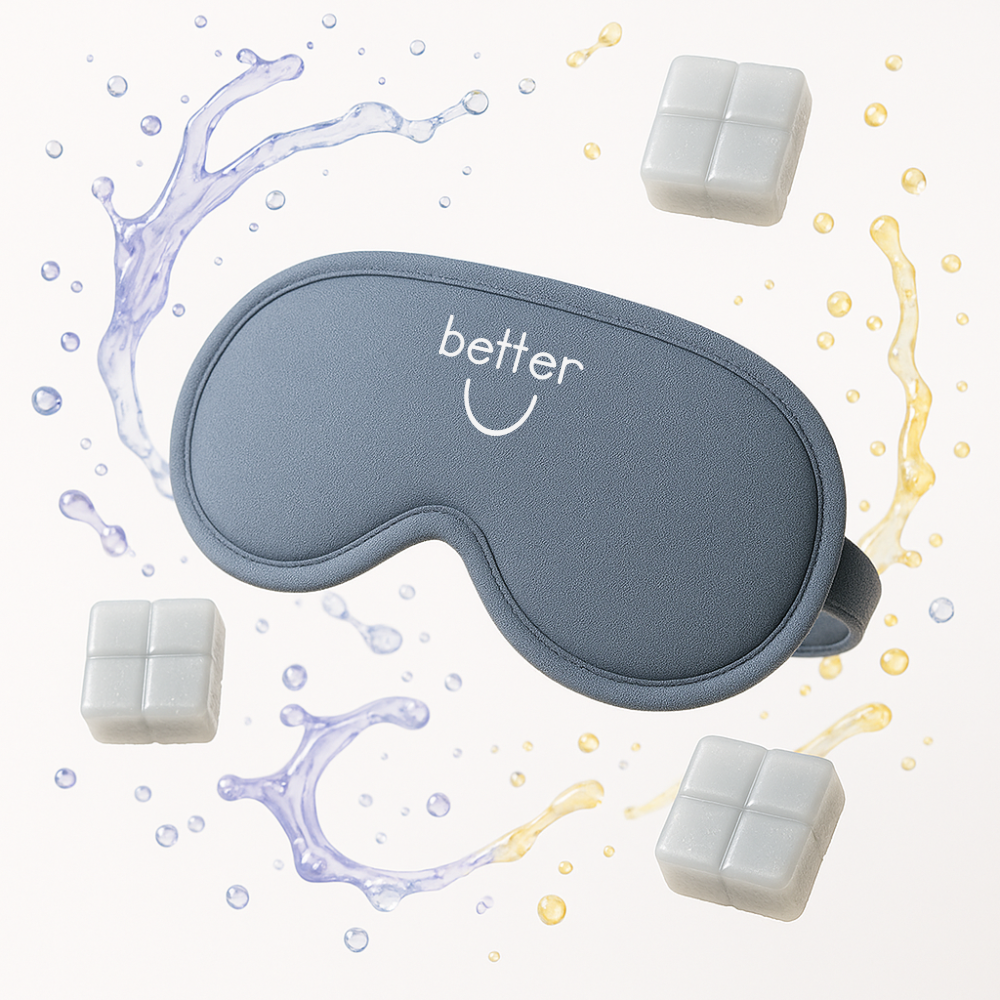
Consider what makes you feel at ease. This might include dimming the lights, playing a curated playlist of calming instrumental music, or having a comfortable blanket and eye mask ready. The goal is to minimize distractions and create a sanctuary where you feel completely relaxed. By intentionally preparing your space, you signal to your mind and body that it’s time to turn inward.
Guidelines to Prepare for Your Session
To help you get the most out of your experience, your clinical team will provide specific guidelines to follow before each session. These instructions are designed to prepare your body and mind for the treatment.
Common preparation steps often include:
- Dietary adjustments: You’ll likely be asked not to eat solid food for at least three hours beforehand and to stop drinking liquids about an hour before your session.
- Medication management: Your clinician will advise you on which medications to avoid, such as certain stimulants or benzodiazepines, in the 24 hours leading up to your treatment.
- Clearing your schedule: Plan to have no other obligations for the rest of the day. It’s important not to drive or operate heavy machinery until after a full night of sleep.
Understanding the Potential Risks and Considerations
While at-home ketamine therapy presents a promising option for many, it’s important to approach it with a clear understanding of the responsibilities and considerations involved. This isn't a passive treatment; it requires your active participation and commitment to a structured process. Making an informed decision means looking at the full picture—from dosage adherence to the type of support you’ll receive. A reputable provider will be transparent about these factors, ensuring you feel confident and prepared for your journey. The goal is to find a path that aligns with your personal health needs and therapeutic goals, whether that’s at home or in a clinical setting.
The Importance of Following Your Prescribed Dosage
Your prescribed dosage is determined by a clinician after a thorough evaluation of your medical history and specific needs. It is calculated to facilitate a therapeutic experience while prioritizing your well-being. However, research has shown that a significant number of people undertaking at-home ketamine therapy have taken more than their recommended dose. Adhering strictly to your prescription is not just a guideline—it's a critical component of the treatment's structure. Taking a higher dose than prescribed does not lead to better or faster results; instead, it can introduce unnecessary risks and undermine the therapeutic process. Trusting the guidance of your medical team is essential for a constructive journey.
Navigating a Session Without In-Person Medical Staff
One of the biggest differences between at-home and in-clinic ketamine therapy is the absence of a medical professional in the room with you. This is why comprehensive medical screenings and preparation are so important. Reputable at-home programs are designed with multiple layers of support. Before you begin, you’ll undergo a detailed medical and psychological evaluation to ensure the treatment is appropriate for you. During each session, you are required to have a trusted adult, or treatment monitor, present with you. This person is there to provide support and ensure you have a calm, uninterrupted experience. While they are not a medical professional, they are a key part of your support system.
Why Integration Support is So Important
The insights gained during a ketamine therapy session can be profound, but the session itself is only the beginning. The real work happens afterward, during a process called integration. Integration is how you make sense of your experiences and translate them into lasting changes in your thoughts, behaviors, and daily life. Without this crucial step, the new perspectives can fade, leaving you back where you started. This is why programs that combine ketamine therapy with integration coaching and other forms of support are so valuable. An integration coach helps you process your journey, set meaningful goals, and build new habits that support your long-term well-being.
Deciding if In-Clinic Care is a Better Fit
At-home ketamine therapy is not the right fit for everyone, and it’s important to be honest about your needs. Some individuals may feel more comfortable in a clinical setting with direct medical supervision, especially those with more complex medical histories. In-clinic treatments, such as IV infusions, offer a different level of monitoring. If you have significant health concerns or feel you need the reassurance of having a medical team physically present, an in-clinic option may be a better choice. The most important thing is to choose a provider and a setting that makes you feel secure, allowing you to fully engage with the therapeutic process.
How Does At-Home Ketamine Therapy Compare to Traditional Treatments?
If you've spent years trying conventional mental health treatments without seeing the changes you hoped for, you might be wondering how other options are different. At-home ketamine therapy approaches mental wellness from a new angle, differing from traditional methods in its mechanism, delivery, and the timeline for personal growth.
How It Differs from Conventional Antidepressants
Many conventional antidepressants, like SSRIs, work by adjusting levels of neurotransmitters such as serotonin. This process can take weeks or even months to show results, and for some, it doesn't lead to meaningful change. Ketamine therapy operates on a different pathway in the brain. It works on the glutamate system and is thought to support neuroplasticity—the brain's ability to form new, healthier neural connections. This fundamental difference is why many people who have found traditional medications to be a poor fit explore ketamine therapy as an alternative. Instead of just managing symptoms, the goal is to create an opportunity for the brain to build new perspectives and thought patterns from the ground up.
The Convenience and Accessibility of At-Home Care
Traditional mental health care often involves navigating appointments, commuting to clinics, and sitting in waiting rooms. This can be a significant barrier, especially when you're already feeling overwhelmed. At-home ketamine therapy removes these hurdles by bringing the treatment to you. After a virtual consultation with a clinician, your medication is delivered discreetly to your home. Your sessions take place in your own comfortable, private space, allowing you to feel grounded and secure. This model of at-home care makes it easier to fit treatment into your life, not the other way around, offering a level of privacy and accessibility that many find supportive for their journey.
Understanding the Timeline for Change
With traditional antidepressants, it’s common to wait several weeks before noticing any shifts. The experience with ketamine therapy can be quite different. While every person's journey is unique, many individuals report noticing changes much sooner. For instance, some studies show a significant number of people report a reduction in symptoms after just one or two sessions. However, lasting change is a process. A structured program of multiple sessions, like those outlined in Better U's treatment packages, allows for deeper work and integration. This sustained approach helps you build on insights from each session, turning initial shifts into more durable patterns of well-being.
What Does the Treatment Process Look Like?
Starting any new mental health treatment can feel overwhelming, but at-home ketamine therapy programs are designed to be structured and supportive from start to finish. While every provider has a unique approach, most follow a similar framework that prioritizes your well-being and helps you get the most out of your experience. The process isn’t just about receiving medication; it’s a comprehensive journey that includes medical oversight, personal preparation, guided experiences, and dedicated follow-up care.
From your very first conversation with a clinician to the integration work you do after a session, each step is intentional. The goal is to create a framework where you feel informed and supported. You’ll be guided through how to prepare your mindset and physical space, what to expect during a session, and how to process your experiences afterward. This structure is what makes at-home treatment a viable option, ensuring you have a clinical team and support system with you at every stage. Let’s walk through what you can generally expect.
Your First Step: The Consultation
Your journey begins with a thorough and confidential evaluation. This isn't just a formality; it's a critical step to determine if at-home ketamine therapy is an appropriate path for you. The process typically starts with an online assessment or quiz, followed by a virtual consultation with a licensed clinician. During this call, you’ll discuss your mental health history, treatment goals, and any questions you have. This initial meeting is a two-way conversation meant to establish a foundation of trust and ensure that the program aligns with your personal needs and medical background. It’s the first step in creating a personalized treatment plan just for you.
Preparing for Your First Session
Once you’re approved for treatment, your provider will give you clear guidelines to prepare for your first session. Preparation involves both your physical body and your environment. You will likely be instructed not to eat solid food for at least three hours or drink liquids within an hour before your session. This simple step helps minimize the chance of nausea. You’ll also receive guidance on creating a calm, comfortable setting in your home—a quiet space where you can lie down and won’t be disturbed. For your well-being, you must arrange not to drive, operate heavy machinery, or make any important decisions until after a full night’s sleep.
The Guided Experience and Integration
The ketamine therapy session itself is just one piece of the puzzle. The real work often happens in how you process the experience afterward. This is where integration comes in. Integration is the practice of making sense of the thoughts, feelings, and insights that may arise during your session and applying them to your daily life. Reputable providers don’t just send you medication; they pair it with robust support. At Better U, we combine oral ketamine treatments with integration coaching and other tools to help you turn your insights into meaningful, lasting change. This transforms the experience from a passive one into an active part of your growth.
Ongoing Support and Follow-Up Care
At-home ketamine therapy is not a solo journey. A strong program provides a dedicated team to support you throughout your treatment. This wraparound care often includes regular check-ins with your clinician to discuss your progress and make any necessary adjustments to your plan. You may also have access to a personal guide or coach for one-on-one help with setting intentions and integrating your experiences. Having a full support system ensures your questions are answered and you feel connected and cared for every step of the way. This ongoing relationship is key to building momentum and working toward your long-term wellness goals.
How to Choose the Right At-Home Ketamine Therapy Provider
Deciding to explore at-home ketamine therapy is a significant step, and choosing the right provider is just as important as the treatment itself. As more options become available, it’s essential to know what to look for to ensure you’re supported by a qualified and compassionate team. A provider should not only offer access to medication but also a structured, supportive framework that prioritizes your well-being throughout the entire journey. When you’re researching your options, consider these key areas to find a program that aligns with your personal needs and goals for personal growth.
Look for Proper Medical Oversight
A reputable at-home ketamine therapy program is always led by licensed medical professionals. This isn't just about getting a prescription; it's about having a clinical team that conducts a thorough medical screening, understands your health history, and is available to guide your treatment. Proper oversight means you’ll have access to clinicians who can answer your questions, adjust your protocol as needed, and ensure you’re a good candidate for the treatment in the first place. Before committing to a provider, make sure their team includes qualified doctors or nurse practitioners who will be actively involved in your care. This medical foundation is a non-negotiable part of a responsible ketamine therapy program.
Compare Different Support Models
Not all at-home ketamine therapy providers are created equal. Some may offer a medicine-only approach, while others provide a comprehensive program that includes therapeutic support. Think about what level of guidance you want. Do you feel you would benefit from one-on-one coaching, group integration sessions, or guided meditations to accompany your sessions? Some programs, like Better U, are built on a holistic psychiatry model that combines medicine with supportive practices to address mental wellness from multiple angles. As you compare options, look closely at what’s included beyond the medication to find a support structure that feels right for you.
Prioritize Integration and Follow-Up Care
The insights gained during a ketamine therapy session can be profound, but turning those insights into lasting change is where the real work begins. This process is called integration. A quality provider will emphasize integration and offer tools to help you make sense of your experiences and apply them to your daily life. Look for programs that include integration coaching, journaling resources, or follow-up sessions with a guide or therapist. This continued support is what helps bridge the gap between the treatment session and sustained personal growth. When evaluating providers, always ask what their pricing and packages include for follow-up and integration care.
Is At-Home Ketamine Therapy Right for You?
Deciding to explore a new path for your mental health is a significant and deeply personal choice. If you're reading this, you’ve likely been on a long journey, trying different therapies or medications without getting the changes you hoped for. At-home ketamine therapy is a powerful tool, but it’s not a universal solution. The right choice depends entirely on your individual circumstances, your comfort level, and what you hope to achieve.
Thinking about this option requires honest self-reflection. Are you looking for a treatment that can help you explore the root causes of your feelings in a new way? Are you comfortable in a self-guided environment with remote support? Answering these questions is the first step in determining whether an at-home program aligns with your needs. This isn't about finding a quick fix, but about finding a sustainable approach that feels right for you. The following points can help you think through whether this path is a good fit for your personal journey.
Consider Your Personal History and Goals
At-home ketamine therapy is often considered by individuals who feel stuck. If you've been navigating treatment-resistant depression, persistent anxiety, or the lingering effects of trauma and haven't found success with conventional methods, this approach may offer a different perspective. It’s designed for those who are ready to engage in deep, introspective work from the comfort of their own space. The goal isn't just to manage symptoms, but to foster new neural pathways and insights that can lead to lasting change. If your aim is to move beyond the limitations of traditional psychiatry and actively participate in your own growth, at-home ketamine therapy could be a meaningful option to explore.
Know When to Consider In-Clinic Options
It’s important to know that at-home and in-clinic ketamine therapy are different modalities. Some individuals may prefer an in-clinic setting, such as with IV infusions, where they have direct, in-person medical supervision throughout the experience. This can be a better fit for people with certain complex health conditions or for those who simply feel more comfortable in a traditional clinical environment. Reputable at-home programs address this by implementing rigorous medical screenings, providing clear preparation guidelines, and requiring a trusted adult to be present. The choice between at-home and in-clinic care ultimately comes down to your unique health needs and personal preferences.
Taking the First Step with Confidence
Exploring at-home ketamine therapy doesn’t require an immediate commitment. The process typically begins with a simple, confidential online assessment to see if you might be a candidate. This initial step is designed by clinicians to ensure the program is a suitable and appropriate option for your specific situation. It’s a low-pressure way to gather more information and determine if the treatment aligns with your needs and goals. Completing an assessment allows you to move forward with clarity and confidence, knowing you’re making an informed decision. If you're curious, you can see if you're a fit and learn more about what the journey entails.
Related Articles
- Who is ketamine therapy right for?
- Unlocking the Future of Mental Health: The Benefits of At-Home Ketamine Therapy and Telehealth
- How to Make The Most Of Your Ketamine Therapy Experience
Frequently Asked Questions
What does a ketamine therapy session actually feel like? Everyone’s experience is unique, but many people describe it as a dreamlike or meditative state. You might feel a sense of detachment from your everyday thoughts and worries, which can create space to look at your life and experiences from a new perspective. The goal isn't to escape reality, but to engage with your inner world in a different way. Your body may feel heavy or light, and you might experience shifts in your perception of time and space, all while in the comfort of your own prepared environment.
Am I really alone during the at-home sessions? No, you are supported throughout the entire process. While a clinician isn't physically in the room, a key part of the protocol is having a trusted adult, your treatment monitor, present with you. Their role is to provide a quiet, grounding presence. Additionally, your clinical team provides thorough guidance before your session and is available for support, ensuring you have a structured framework for your experience.
How is this different from just taking a medication? This is a common and important question. Unlike a daily pill, ketamine therapy is a structured, therapeutic process where the medicine serves as a catalyst for deeper work. The experience itself is just one part of the journey. The preparation beforehand and, most importantly, the integration work you do afterward with a coach are what help you translate insights from your sessions into tangible changes in your life. It’s an active process you participate in, not a passive treatment.
What happens after the sessions are over? Is the change permanent? The goal of a structured ketamine therapy program is to support long-term changes in your well-being. The sessions can help create new neural pathways and open you up to different ways of thinking, but making those changes stick requires ongoing work. This is where integration becomes so important. By working with a coach to process your experiences and build new habits, you learn to incorporate your insights into your daily life, which supports more durable personal growth.
Why is integration coaching so important? Think of integration coaching as the bridge between your ketamine therapy experience and your everyday life. During a session, you might have profound thoughts or feelings, but they can feel abstract. An integration coach helps you make sense of those insights and turn them into practical, actionable steps. They provide a supportive space to explore what came up for you and help you build new patterns and behaviors that align with your goals for personal growth.
Disclaimer: The content on this page is for informational and educational purposes only and is not medical or psychiatric advice. It does not create a patient–provider relationship and is not a substitute for consultation with a licensed clinician. Some treatments discussed (including holistic, weight management, sexual health, ketamine or other innovative therapies) may involve off‑label or non‑FDA‑approved uses and are not guaranteed to be safe, effective, or appropriate for you. Always talk with a qualified healthcare professional before making any changes to your care. Better U’s clinical team is available to provide personalized telemedicine appointments to determine which treatments, if any, may be appropriate for your individual situation.
Latest articles

Brain Fog: What Causes It?
Learn More About: Brain Fog: What Causes It?
The Role of Telemedicine in Modern Mental Healthcare
How Social Media May Affect Mental Health
.jpg)
What Burnout Really Looks Like