

.svg)


At-Home Ketamine Therapy vs Infusions: Which Is Right?


When you’ve been navigating a mental health condition for a long time, feeling a sense of control over your own journey is incredibly important. Ketamine therapy presents a new possibility for change, and with it comes a choice that puts you in the driver’s seat: where do you want this experience to unfold? The decision between at-home ketamine therapy vs infusions for depression is about more than just logistics; it’s about choosing the environment that best supports your personal work. Do you feel more at ease in a structured medical setting or in the privacy of your own space? Here, we’ll compare these two models side-by-side, exploring how each one empowers you differently.
Key Takeaways
- Choose the Setting That Best Supports You: Ketamine therapy is available through at-home oral treatments for comfort and privacy, or in-clinic IV infusions for direct, in-person medical oversight. Your personal needs and comfort level should guide your decision.
- A Quality Program Is a Comprehensive Program: The experience itself is just one piece of the puzzle. Meaningful change is supported by consistent clinical guidance, a treatment plan tailored to you, and dedicated integration coaching to help you process your insights.
- Come Prepared to Your Consultation: Make an informed choice by discussing your health history, lifestyle, and personal goals with your provider. Asking specific questions about the process, support structure, and costs will help you find the right path forward.
What Is Ketamine Therapy for Depression?
If you’ve tried multiple antidepressants or spent years in talk therapy without seeing the changes you’d hoped for, you might be looking for a different approach. For many people with treatment-resistant depression, the journey can feel isolating and exhausting. In recent years, ketamine therapy has emerged as a significant option in mental health care. Originally used for decades as an anesthetic, its potential for supporting mental wellness is now being explored more deeply.
Ketamine therapy has been lauded for its potential in treating mental health issues like depression, anxiety, and PTSD. Unlike traditional antidepressants that can take weeks or even months to show an effect, ketamine therapy works on a different timeline and through different mechanisms in the brain. It’s not a daily pill but a structured treatment protocol, often combined with therapy or coaching to help integrate the insights gained during the experience. For many, it represents a new possibility for creating meaningful shifts in perspective and mood when other paths have led to a dead end. The goal isn’t just to manage symptoms, but to foster an environment for genuine, lasting change.
How It Works in the Brain
So, what’s happening on a biological level? Traditional antidepressants typically work by increasing levels of neurotransmitters like serotonin or norepinephrine. Ketamine therapy takes a different route. It primarily interacts with a neurotransmitter called glutamate, which is the most abundant chemical messenger in your brain and plays a vital role in mood, learning, and memory.
It helps by changing how certain chemicals in the brain work, which can improve mood and overall well-being. By influencing the glutamate system, ketamine therapy is thought to encourage neuroplasticity—the brain’s ability to form new connections and pathways. This process can help your brain get "unstuck" from the rigid, negative thought patterns that often accompany depression, opening the door to new ways of thinking and feeling.
Exploring Your Treatment Options
When considering ketamine therapy, you’ll find there are two primary ways it’s administered: at-home oral treatments and in-clinic intravenous (IV) infusions. Both approaches have the same goal, but the experience, level of supervision, and logistics are quite different. The main difference between in-clinic and at-home ketamine therapy is how much medical supervision you get during the treatment itself.
While some clinical perspectives suggest that in-office treatment provides superior outcomes, at-home ketamine therapy programs offer a level of convenience, privacy, and comfort that can be a critical factor for many people. Choosing between them depends on your personal health needs, your comfort level with self-management, and what kind of supportive environment feels right for you.
How Does At-Home Ketamine Therapy Work?
At-home ketamine therapy is a modern approach that brings treatment into a familiar, private setting. Instead of traveling to a clinic for infusions, you can have a therapeutic experience in the comfort of your own home, guided by a dedicated clinical team through telehealth. The process is designed to be both accessible and structured, starting with a thorough evaluation with a medical provider who determines if the treatment is appropriate for you. If you move forward, you’ll receive a prescription for oral ketamine, a personalized treatment plan, and clear instructions for your sessions.
This model combines the convenience of being in your own space with the oversight of professional medical care. Throughout your journey, you’re connected with clinicians and integration specialists who support you before, during, and after each session. It’s a framework built to give you more control over your environment while ensuring you have the guidance you need. The goal is to create a calm and intentional space where you can focus fully on your inner experience, free from the stress of travel or the sterile atmosphere of a clinic.
Oral Treatments in Your Own Space
Unlike in-clinic treatments that often use intravenous (IV) infusions, at-home ketamine therapy typically involves an oral dose, such as a sublingual lozenge that dissolves under your tongue. This method is designed specifically for ease of use in a home setting. Your clinician will prescribe a precise dose tailored to your needs, which you’ll take at a scheduled time. This allows you to settle into a comfortable and secure space—like your own bed or a favorite chair—without the clinical machinery and unfamiliar surroundings of a treatment room. Being in a personal environment can help lower anxiety and create a greater sense of calm, which is an important part of the therapeutic process.
The Role of Telehealth and Clinician Support
You are never alone in this process. At-home ketamine therapy is built on a strong foundation of telehealth and consistent clinician support. Before you even begin, you’ll have a comprehensive consultation with a medical provider to review your health history and goals. Your care team is available to answer questions and guide you through preparing for your first session. During the experience, you’ll have access to support, and afterward, you’ll connect with integration specialists to help you process your insights. Studies on telehealth-supported ketamine administration have shown it to be a well-tolerated approach, allowing for professional oversight while you remain at home.
Creating Your Own Therapeutic Setting
One of the most significant aspects of at-home ketamine therapy is the ability to shape your own environment. This concept, often called "set and setting," plays a key role in the experience. You get to choose the music, lighting, and comfort items that make you feel most at ease. Many people prepare by tidying their space, curating a calming playlist, having an eye mask ready, and journaling beforehand. This level of personalization is part of a holistic approach to mental wellness, as it empowers you to create a setting that feels intentionally supportive of your journey. It’s also recommended to have a trusted friend or family member present in the home for additional support.
What About In-Clinic Ketamine Infusions?
When people first learn about ketamine therapy, they often picture a clinical setting, and for good reason. For years, the primary way to access this treatment was through in-clinic intravenous (IV) infusions. This model involves traveling to a specialized clinic or a doctor’s office for each session, where the treatment is administered under the direct supervision of medical professionals. It’s a structured and highly controlled approach that many people are familiar with from other medical procedures.
The entire experience is designed around on-site medical oversight. From the moment you arrive, you are in a healthcare environment, and a clinical team manages every aspect of the session, from administering the medication to monitoring your response. For some, the presence of doctors and nurses in the room provides a sense of security. However, this approach also requires scheduling appointments, commuting, and spending time in a medical facility, which can be logistical hurdles. Understanding how this traditional model works is a key step in deciding which path—in-clinic or at-home—aligns best with your personal needs and circumstances.
The IV Infusion Process
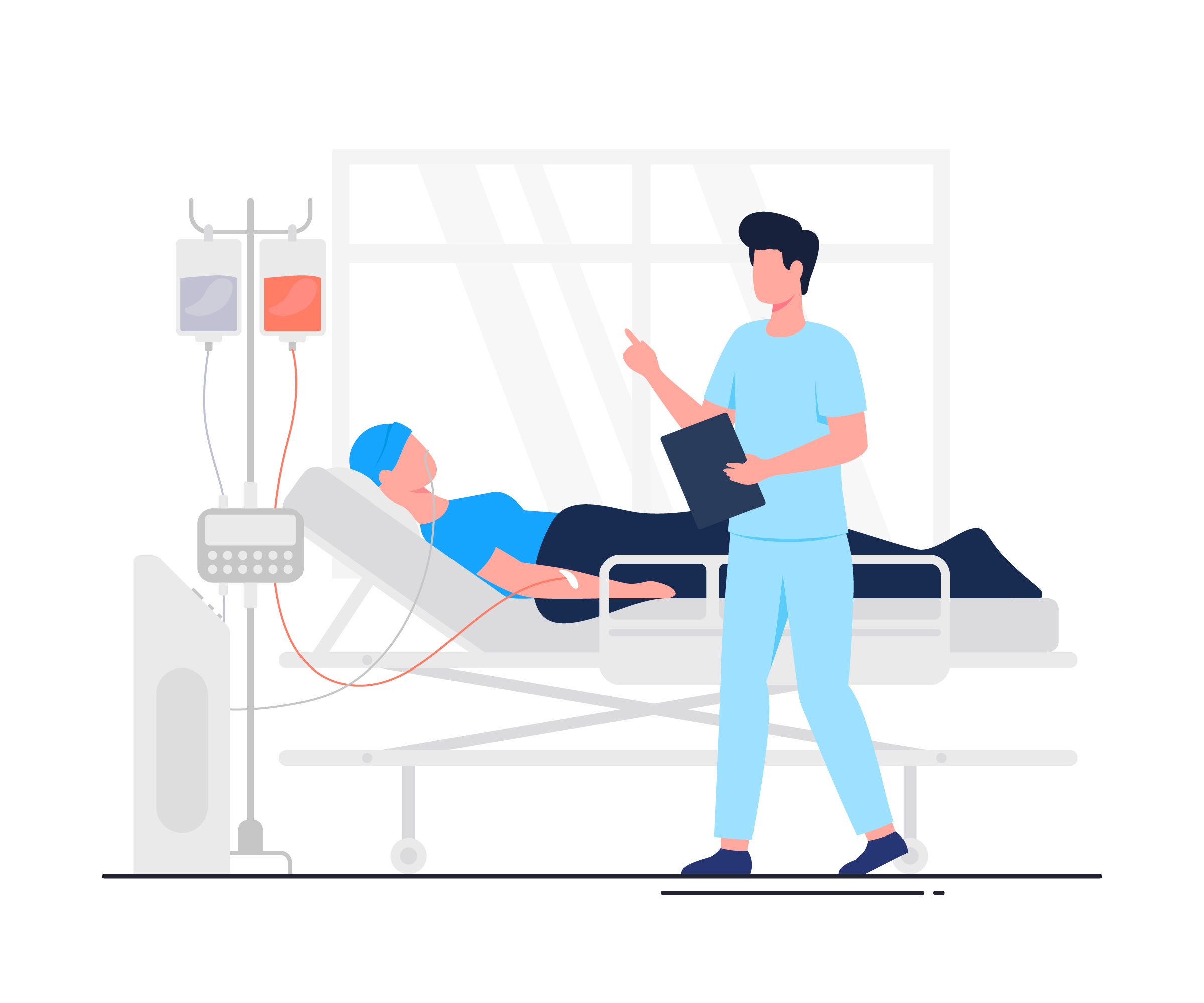
In a clinic, ketamine therapy is typically administered through an intravenous, or IV, line. A small needle is placed into a vein in your arm, and the medication is delivered directly into your bloodstream from a drip bag. This process usually lasts around 40 minutes. One of the main features of IV administration is that it allows the clinical team to adjust the dosage in real time based on how you are responding during the session. This method provides a high degree of control over the amount of medication you receive throughout the treatment.
Continuous Professional Monitoring
A defining characteristic of the in-clinic model is the constant presence of medical staff. During an IV infusion, a doctor or nurse is physically in the room or nearby for the entire duration of the session. They monitor your vital signs, such as heart rate and blood pressure, and observe your overall condition. This continuous, in-person supervision means that if any concerns arise, the medical team can provide immediate support. This hands-on approach is a cornerstone of the infusion center experience and a primary reason some individuals prefer this setting for their treatment.
The Clinical Treatment Environment
The setting for an in-clinic infusion is, by nature, a medical one. While many clinics work to create a calming atmosphere with comfortable reclining chairs, dim lighting, and headphones for music, the experience still takes place within the walls of a healthcare facility. The environment is sterile, controlled, and designed for medical procedures. For some, this structured setting can feel reassuring. For others, the clinical atmosphere can feel less personal than a familiar space. This contrasts with the at-home approach, where you have complete control over creating your own therapeutic setting in the privacy and comfort of your own space.
At-Home vs. In-Clinic: A Side-by-Side Comparison
When considering ketamine therapy, one of the first decisions you’ll face is choosing between at-home treatment and in-clinic infusions. Both models offer unique approaches to care, and understanding their key differences can help you decide which path feels right for you. Let’s look at how they compare across administration, support, experience, and potential response.
How Treatment Is Administered
In-clinic therapy typically involves intravenous (IV) infusions, where the medicine is delivered directly into your bloodstream by a medical professional. This method is known for a rapid onset during the session. In contrast, at-home ketamine therapy programs use oral forms, like lozenges, that you administer yourself in a comfortable space. This approach is less invasive and allows for a gentler experience as the medicine is absorbed. The choice often comes down to personal preference for the treatment environment and the style of administration that feels most aligned with your needs.
Medical Supervision and Support
The level of supervision is a key distinction. In a clinic, you are monitored in person by medical staff who are physically present throughout the session. With at-home programs, support is provided remotely. Reputable providers build a strong framework of care that includes thorough medical screenings, virtual check-ins with your clinician, and clear guidance for each session. You’ll also be instructed to have a trusted person present. This telehealth model pairs the autonomy of at-home treatment with professional oversight, ensuring you feel supported throughout your journey.
The Patient Experience and Setting
Your environment plays a huge role in the therapeutic process. An in-clinic setting is structured and controlled, which can feel reassuring for some but impersonal or sterile to others. At-home ketamine therapy gives you complete control over your surroundings. You can create a personal and comfortable space with your own blankets, music, and lighting. For many, being in a familiar environment reduces anxiety and allows for a more open, introspective experience. This ability to customize your setting is a primary reason people choose at-home treatment.
Potential Onset and Response
The delivery method influences how quickly you might feel the effects. Because IV infusions send medicine directly to the bloodstream, the onset can be very rapid. With oral ketamine therapy, the onset is typically more gradual. This slower progression can feel less intense and more manageable for some people. While the methods differ, studies suggest that telehealth-supported, at-home ketamine therapy is associated with a reduction in symptoms for people with depression. The goal is to find the approach that aligns best with your temperament and therapeutic goals.
Exploring At-Home Ketamine Therapy: Pros and Cons
Deciding on a path for your mental health is a deeply personal choice. At-home ketamine therapy offers a modern approach that prioritizes comfort and accessibility, but it’s important to understand both its advantages and what it requires from you. By looking at the full picture—from the convenience of being in your own space to the financial considerations—you can make an informed decision that aligns with your needs and lifestyle. Let's walk through the key points to consider.
The Upside: Convenience, Privacy, and Comfort
One of the most significant benefits of at-home ketamine therapy is the ability to have your treatment in a familiar, private setting. For many, the clinical environment can feel sterile or anxiety-inducing. Being at home allows you to create a space that feels calming and personal, which can be more conducive to a positive therapeutic experience. This model eliminates the need for travel and scheduling appointments, offering a level of convenience that fits into a busy life. Research suggests that telehealth-supported ketamine therapy is generally well-tolerated and is associated with a reduction in symptoms for many individuals with depression, making it a compelling option for those who value privacy and comfort.
The Considerations: Self-Management and Support
While you’re in the comfort of your home, at-home treatment does require a degree of self-management. You’ll be responsible for creating your therapeutic setting and having a trusted person nearby for support during your sessions. It’s also vital to maintain open and honest communication with your clinical team. Some people may experience side effects, and having a responsive provider who can adjust your personalized treatment plan is key. This isn’t a journey you take alone; a quality at-home program includes robust virtual support from clinicians and integration coaches who guide you through every step, ensuring you feel prepared and cared for throughout the process.
Comparing Costs and Accessibility
For many people, the financial and logistical aspects of treatment are a major factor. In-clinic IV infusions can be costly and often require you to take significant time off for the appointment and recovery. At-home ketamine therapy programs are typically more affordable, removing barriers that can put treatment out of reach. With transparent ketamine therapy pricing and no need to budget for travel or lost work hours, it becomes a more accessible option. This approach also shortens the timeline to begin care, helping you bypass the long waitlists common in traditional psychiatry and start your journey when you’re ready.
Exploring In-Clinic Infusions: Pros and Cons
For many people exploring their options, in-clinic ketamine therapy infusions represent a more traditional medical approach. This model involves visiting a specialized clinic or doctor’s office to receive treatment, which is typically administered intravenously (IV). The entire experience happens within a controlled, clinical environment, a factor that can be significant for individuals weighing their options.
While at-home ketamine therapy offers a different path, understanding the structure of in-clinic treatments is crucial for making an informed choice. The primary distinction lies in the level of direct, in-person supervision and the setting itself. For some, the formality of a clinic provides a sense of structure, while for others, it can feel less personal and more cumbersome. Exploring the specific advantages and disadvantages of this model can help you clarify what kind of environment and support system best aligns with your personal needs and lifestyle. Let's look at what you can expect from in-clinic infusions.
The Upside: Direct Oversight and Dose Adjustment
The most significant advantage of in-clinic ketamine therapy is the constant, in-person medical supervision. From the moment you arrive, a team of clinicians is physically present to monitor your vital signs and guide you through the experience. Because the medication is often administered through an IV, medical staff can make real-time adjustments to the dosage based on your response. This can be particularly reassuring for anyone who feels anxious about the treatment or has a complex health history. This hands-on approach ensures that a professional is right there with you for the entire duration of the infusion, offering a structured and closely managed therapeutic session.
The Considerations: Scheduling, Travel, and Cost
On the other hand, the logistics of in-clinic infusions can present considerable challenges. Appointments must be scheduled during business hours, which often means taking time off from work or arranging for childcare. You also have to factor in travel time to and from the facility, and since you can’t drive after a session, you’ll need to coordinate a ride home. Beyond the logistics, the cost is often a major barrier. Due to the overhead of maintaining a physical clinic and on-site staff, IV infusions are typically much more expensive than at-home programs. This can make completing a full course of treatment a significant financial strain, limiting access to care.
On-Site Medical Response
Another key aspect of the in-clinic model is the immediate availability of an on-site medical team in the event of an adverse reaction. While serious complications are uncommon, having doctors and nurses in the room who can intervene instantly provides a strong sense of security for many patients. This immediate, in-person response capability is a core feature of the clinical setting. While comprehensive at-home ketamine therapy programs are designed with robust safety protocols and have medical support available remotely, the in-clinic environment offers the distinct feature of having a full medical team physically present at all times during the treatment itself.
How to Decide: Questions for Your Provider
Choosing between at-home ketamine therapy and in-clinic infusions is a significant decision, and it’s one you should make in partnership with a qualified clinician. The best path forward depends entirely on your unique circumstances, including your health history, personal comfort, and practical needs. To help you have a productive conversation with a potential provider, think about what matters most to you. A good provider will listen to your concerns and help you weigh the pros and cons of each option.
This isn't about finding a one-size-fits-all answer but about discovering the right fit for your life and your goals. Use the questions below to guide your discussion and feel confident in the treatment plan you build together. Exploring all of your treatment options is the first step toward finding a path that feels right for you.
Your Health History and Past Treatments
Your medical background is one of the most important factors in determining your treatment plan. Certain health conditions or a history of severe, complex mental health symptoms may require a different level of monitoring. When you speak with a provider, be open about your entire health history, including past diagnoses and what treatments you’ve tried before.
Come prepared to ask questions like:
- "Given my specific diagnosis and treatment history, what level of clinical support do you recommend?"
- "Are there any aspects of my health that would make one setting more appropriate than another?"
- "How do you approach treatment for someone who hasn't seen results with traditional antidepressants?"
Your Lifestyle and Personal Comfort
Your environment plays a huge role in your therapeutic experience. For many, the idea of undergoing treatment in the privacy and comfort of their own home feels calming and empowering. It allows you to control the setting, from the lighting to the music, creating a space that feels personally supportive. For others, a structured clinical environment might feel more reassuring. Consider what you need to feel at ease during your sessions.
You can explore this with a provider by asking:
- "Can you walk me through what a typical at-home ketamine therapy session looks like?"
- "How important is my physical environment to the process?"
- "What kind of support is available if I feel anxious before or during a session at home?"
Financial and Logistical Factors
The practical side of treatment can't be ignored. In-clinic infusions often come with a higher price tag and require you to travel to a clinic, take time off work, and arrange for transportation home. At-home programs can be more accessible from both a financial and logistical standpoint. It’s important to get a clear picture of the total commitment involved with each option so you can make a sustainable choice.
Be sure to ask about the practical details:
- "What is the full cost of the program, and how does it compare to in-clinic options?"
- "How much time should I plan to set aside for each treatment day?"
- "What are the scheduling requirements for appointments and integration sessions?"
Your Previous Experience with Ketamine Therapy
If you’ve already tried ketamine therapy, your experience can provide valuable insight. Perhaps you’ve completed a series of in-clinic infusions and are looking for a way to maintain your progress. Or maybe you found the clinical setting to be sterile or stressful and are curious about a different approach. Research on telehealth-supported ketamine therapy suggests it is generally well-tolerated and associated with a reduction in depressive symptoms for many patients.
Discuss your past experiences with your provider:
- "I've had IV infusions before. How will the experience and protocol differ with an at-home oral program?"
- "How is a treatment plan adjusted for someone who is new to ketamine therapy versus someone with prior experience?"
Common Myths About At--Home Ketamine Therapy
As at-home ketamine therapy becomes a more accessible option for mental health, it’s natural to have questions. New approaches often come with a lot of noise and misinformation, making it hard to know what to believe. When you’re exploring a path for your own well-being, you deserve clear, straightforward answers. Many of the concerns people have about at-home treatments stem from a few common misunderstandings about how these programs are structured.
Let's walk through some of the biggest myths surrounding at-home ketamine therapy. By separating fact from fiction, you can get a clearer picture of how this treatment works and decide if it aligns with your personal needs. Understanding the built-in medical oversight, dedicated support systems, and the clear distinction from recreational use is key to making an informed choice about your mental health journey.
Myth: There’s No Medical Supervision
One of the most common fears about at-home ketamine therapy is that you’re given a prescription and left to figure it out alone. This couldn’t be further from the truth. Reputable at-home programs are built on a foundation of consistent medical oversight. From your very first consultation, you are under the care of a qualified clinician who evaluates your health history and determines if the treatment is appropriate for you. They create a personalized ketamine therapy plan with a carefully considered dosage and schedule. This isn't a one-time sign-off; it's an ongoing therapeutic relationship managed through regular telehealth appointments to monitor your progress and adjust your treatment as needed.
Myth: You’re Completely on Your Own
Beyond medical check-ins, there’s a worry that you’ll be emotionally isolated during the process. The experience of ketamine therapy can bring up profound feelings, and having support is essential. That’s why comprehensive programs include more than just a prescription. At Better U, our holistic psychiatry model includes integration coaching to help you make sense of your experiences and translate your insights into meaningful, lasting change in your daily life. You have a dedicated care team to guide you, answer questions, and provide a supportive container for your journey. Research has also shown that telehealth-supported ketamine therapy can be a well-tolerated approach for individuals with depression, underscoring the value of a structured support system.
Myth: It’s the Same as Recreational Use
It’s critical to understand the vast difference between clinical ketamine therapy and recreational use. The two are fundamentally different in purpose, substance, dosage, and setting. Recreational use involves illicitly sourced substances of unknown purity and strength, taken in uncontrolled environments without medical guidance. In contrast, at-home ketamine therapy is a medical protocol prescribed by a clinician. You receive a specific, sub-anesthetic dose of medical-grade ketamine as part of a structured treatment program. The entire process is designed to support introspection and personal growth within a therapeutic framework, guided by professional support and a clear intention for your mental wellness.
What Makes Ketamine Therapy Successful?
The potential of ketamine therapy goes far beyond the medicine itself. While the substance can create opportunities for new perspectives and emotional shifts, its true value is realized within a structured, supportive framework. A successful journey isn't about a single experience; it's about a comprehensive process designed to foster meaningful and sustainable change. Think of the
Three core elements are crucial for a productive ketamine therapy program: consistent professional guidance, a treatment plan tailored to you, and dedicated integration support. When these components work together, they create a container that allows for deep personal work. This structure is what separates therapeutic use from recreational use and is fundamental to navigating the experience in a way that supports your long-term mental health goals. Without this foundation, it’s easy for insights to fade and old patterns to return. A well-designed program ensures you have the tools and support you need every step of the way.
The Importance of Professional Guidance
Embarking on a ketamine therapy journey should always happen under the care of qualified medical professionals. This guidance is non-negotiable, whether your treatment is at home or in a clinic. A clinical team is responsible for determining if ketamine therapy is an appropriate option for you based on your health history and specific needs. They oversee the process, answer your questions, and provide a sense of security, ensuring you feel supported throughout your experience. This professional oversight is what allows you to fully immerse yourself in the therapeutic process, knowing you are in capable hands. It’s the bedrock of a responsible and thoughtful approach to treatment.
A Personalized Treatment Plan
Mental health is deeply personal, and your treatment plan should be, too. A successful ketamine therapy program is never one-size-fits-all. Instead, clinicians work with you to develop a personalized protocol that considers your unique symptoms, goals, and sensitivities. This includes tailoring the dosage, frequency, and timing of your sessions to align with your progress. As you move through the program, your clinical team should monitor your response and make adjustments as needed. This careful, individualized approach ensures the treatment is always aligned with your evolving needs, giving you a clear and customized path forward.
The Power of Integration and Ongoing Support
The insights gained during a ketamine therapy session can be profound, but their lasting impact depends on what you do after the experience ends. This is where integration comes in. Integration is the vital process of making sense of your experiences and weaving them into your daily life. Through integration coaching and self-reflection, you learn to translate abstract feelings and ideas into concrete changes in your thoughts, behaviors, and relationships. This ongoing support helps you build new neural pathways and reinforce healthier patterns long after a session is over. It’s the bridge between a powerful experience and genuine, lasting personal growth.
How to Start Your Ketamine Therapy Treatment
Starting a new treatment path can feel like a big step, especially when you've tried other options without the results you hoped for. The process of beginning ketamine therapy is designed to be thoughtful and supportive, ensuring it’s the right fit for you from the very beginning. It all starts with connecting with a knowledgeable clinical team who can understand your unique history and guide you through each phase, from the initial conversation to your first treatment session. This journey is about partnership—you and your provider working together to create a plan that aligns with your personal goals for mental wellness.
The focus is on creating a structured, guided experience, whether you choose to have your sessions at home or in a clinic. The first steps involve a thorough evaluation of your physical and mental health, an open discussion about what you hope to achieve, and a clear understanding of what the process entails. This isn't a one-size-fits-all approach; it's a personalized plan tailored to your needs. Your provider will walk you through the logistics, the science behind the treatment, and the importance of integration—the work you do between sessions to process your experiences. This initial phase is crucial for building trust and ensuring you feel prepared and confident as you move forward. It’s about setting a solid foundation for the work ahead, so you can enter your first session feeling informed and supported.
Finding a Qualified Provider
Finding the right team to support you is the most important first step. A qualified provider will conduct a comprehensive medical and psychiatric evaluation to determine if ketamine therapy is an appropriate option for your specific situation. Look for clinicians with experience in mental health and ketamine-assisted treatments. They should prioritize a structured protocol, whether in-person or through a telehealth model that includes robust support. While some sources emphasize the controlled environment of a clinic, a well-structured at-home program with dedicated clinical oversight can offer a different kind of supportive setting. The key is to find a provider who offers a transparent, professional, and compassionate approach to care, ensuring you feel guided and understood throughout your entire journey.
How to Prepare for Your First Consultation
Your first consultation is a two-way conversation. To make the most of it, it helps to come prepared. Before your appointment, take some time to gather your medical history, including any mental health diagnoses and a list of past and current medications or treatments you’ve tried. Think about your goals—what does a better quality of life look like for you? Write down any questions you have about the process, the treatment itself, or what to expect. As researchers suggest, it's important for patients to have "careful and full discussions when deciding between these treatments." This is your opportunity to build a partnership with your provider, so be open about your hopes and concerns to co-create the best possible treatment plan.
What to Expect as You Begin
Once you and your provider decide to move forward, the initial phase focuses on preparation. This typically involves a final medical screening and detailed instructions on how to prepare for your first session. If you’re pursuing at-home treatment, your medication will be sent from a pharmacy directly to you. Your first few sessions are a time of exploration, with your clinical team available for support. It’s helpful to know that studies on telehealth-supported ketamine therapy have found it to be a well-tolerated experience for many patients with depression. Both at-home and in-clinic approaches have been associated with a reduction in the severity of depression symptoms, so you can begin your journey knowing that you are on a well-established path toward change.
Related Articles
- Who is ketamine therapy right for?
- Unlocking the Future of Mental Health: The Benefits of At-Home Ketamine Therapy and Telehealth
- Clinical Trials for Ketamine Therapy
Frequently Asked Questions
How is this different from taking a daily antidepressant? Unlike traditional antidepressants that are typically taken every day to manage symptoms, ketamine therapy is a structured treatment protocol with a different goal. It's not a daily medication but a series of guided therapeutic experiences. The focus is on creating opportunities for new perspectives and insights, which are then processed with the support of a clinical team. The aim is to help your brain form new connections and move away from rigid thought patterns, rather than just addressing chemical imbalances on a daily basis.
What does "integration coaching" actually involve? Integration coaching is the essential work you do between your ketamine therapy sessions to make sense of your experiences. A session can bring up new feelings, ideas, or memories, and an integration coach helps you process them. In these conversations, you'll explore what came up for you and find ways to apply those insights to your daily life. It’s the bridge that helps turn a powerful therapeutic experience into tangible, lasting changes in your thoughts and behaviors.
Will I be alone during my at-home sessions? You are never completely alone in this process. While you are in the privacy of your own home, a quality at-home program is built on a strong foundation of remote support. Your clinical team is available to you, and you are instructed to have a trusted friend or family member present in your home during the session. This structure ensures you have both personal and professional support available, allowing you to focus on your inner experience with a sense of security.
How do I know if the at-home or in-clinic option is right for me? The best choice depends entirely on your personal circumstances, including your medical history, comfort level, and lifestyle. In-clinic infusions offer direct, in-person medical supervision, which some people find reassuring. At-home ketamine therapy provides a greater degree of privacy, comfort, and convenience, which can reduce anxiety and support a more introspective experience. A thorough conversation with a qualified provider is the best way to weigh the pros and cons and decide which setting aligns with your needs.
What is the first step to see if I'm a candidate for treatment? The journey begins with a comprehensive consultation with a qualified medical provider. During this initial meeting, you'll discuss your health history, your past experiences with other treatments, and what you hope to achieve. The clinician will conduct a thorough evaluation to determine if ketamine therapy is an appropriate option for you. This conversation is the foundation for creating a personalized treatment plan that is tailored to your specific goals and needs.
Disclaimer: The content on this page is for informational and educational purposes only and is not medical or psychiatric advice. It does not create a patient–provider relationship and is not a substitute for consultation with a licensed clinician. Some treatments discussed (including holistic, weight management, sexual health, ketamine or other innovative therapies) may involve off‑label or non‑FDA‑approved uses and are not guaranteed to be safe, effective, or appropriate for you. Always talk with a qualified healthcare professional before making any changes to your care. Better U’s clinical team is available to provide personalized telemedicine appointments to determine which treatments, if any, may be appropriate for your individual situation.
Latest articles

Brain Fog: What Causes It?
Learn More About: Brain Fog: What Causes It?
The Role of Telemedicine in Modern Mental Healthcare
How Social Media May Affect Mental Health
.jpg)
What Burnout Really Looks Like