

.svg)



At-Home Ketamine Therapy for Depression: A Candid Review


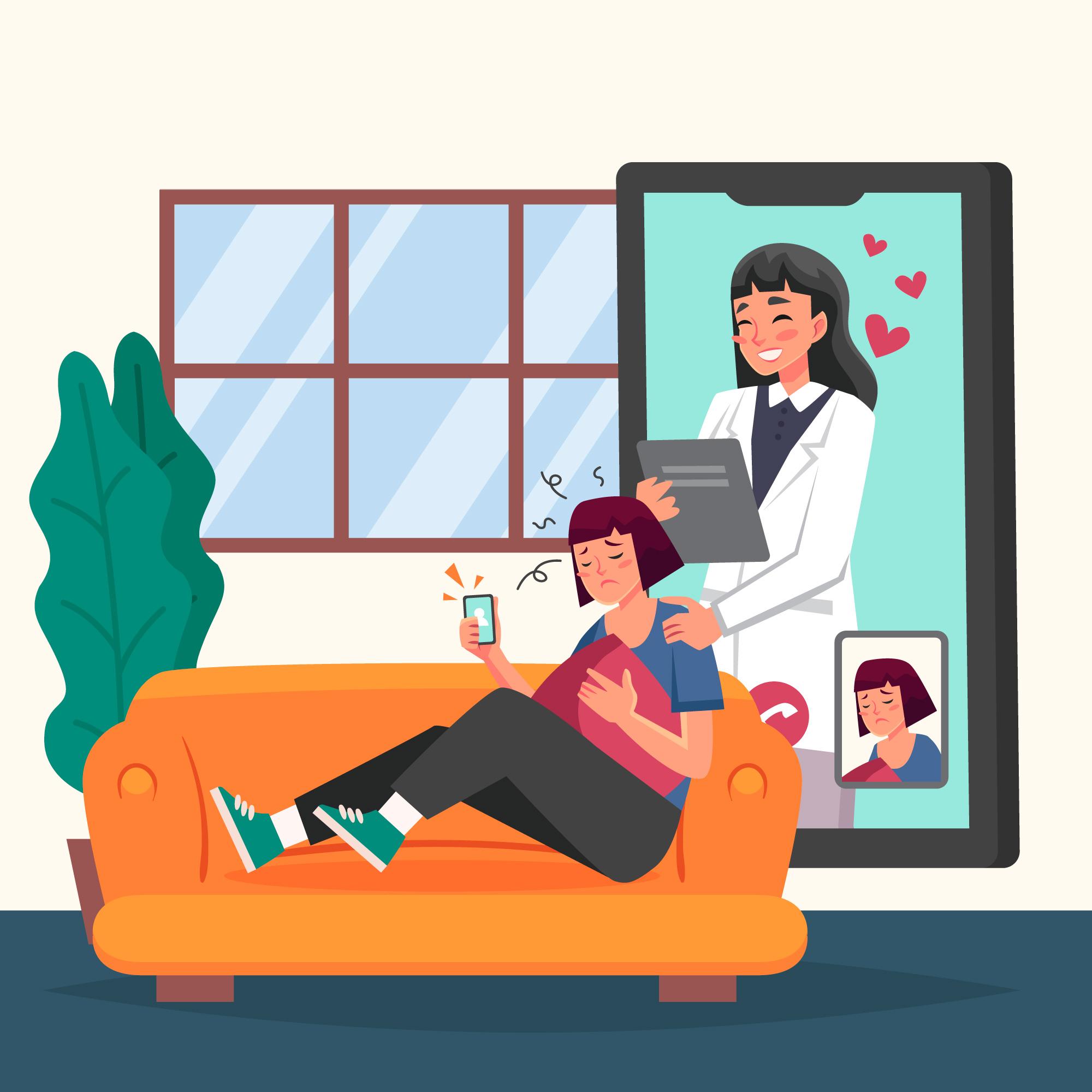
When you’ve spent years trying different antidepressants and therapies, the cycle can feel exhausting. You follow the steps, you do the work, but the heavy feeling of depression remains. It’s a common story, and it often leads people to search for alternatives that work differently. At-home ketamine therapy is one of those alternatives, offering a structured, medically supervised approach for treatment-resistant depression. But with so much information out there, it's hard to know what's real. Sifting through countless at-home ketamine therapy for depression reviews can be overwhelming. This guide is designed to give you a clear, grounded understanding of the entire process—from the science to the personal experience.
Key Takeaways
- Your Treatment is a Partnership with a Clinical Team: A responsible at-home ketamine therapy program is not a solo journey. It involves a thorough medical screening, a personalized plan from a licensed clinician, and continuous support to guide you through the process.
- Lasting Change is Built Through Integration: The work extends beyond the session itself. Preparing your mindset and environment beforehand, and working with an integration coach afterward, are key steps for processing your experiences and applying new perspectives to your daily life.
- Seek Comprehensive Support, Not Just a Prescription: When choosing a provider, look for a complete framework of care. Prioritize programs that offer strong medical oversight, dedicated integration coaching, and clear, transparent protocols for a structured therapeutic experience.
What Is At-Home Ketamine Therapy for Depression?
When you’ve tried traditional approaches for depression without seeing the changes you’d hoped for, the search for alternatives can feel overwhelming. One option that has gained significant attention is at-home ketamine therapy. It’s important to be clear about what this is—and what it isn’t. This isn't about self-administering a substance without guidance. Instead, it’s a structured, medically supervised program where a licensed clinician prescribes oral ketamine to be taken in the comfort and privacy of your own home.
This approach was developed to make ketamine therapy more accessible for individuals with treatment-resistant depression. The entire process is managed by a medical team that handles everything from initial health screenings and personalized dosing to monitoring your experience and providing crucial support. Unlike unsupervised use, which carries serious risks, a professional at-home program is built around clinical protocols. It combines the science of ketamine therapy with the psychological support needed to help you process your experiences, creating a comprehensive framework for your mental health journey. It’s a model designed to meet you where you are, removing barriers like travel to a clinic and the potential discomfort of a sterile medical setting.
How Ketamine Therapy Interacts With the Brain
Unlike many traditional antidepressants that primarily work on serotonin or norepinephrine, ketamine therapy functions differently. It primarily interacts with a neurotransmitter called glutamate, which plays a major role in the brain’s ability to adapt and create new connections. Think of your brain as having well-worn neural pathways, some of which may be associated with patterns of depression or anxiety. Ketamine therapy can support a process called neuroplasticity, which is essentially the brain's ability to reorganize itself by forming new neural connections. This may help your brain build new, healthier pathways, allowing for shifts in perspective and mood that can feel difficult to achieve otherwise.
Understanding Oral vs. IV Administration
You may have heard about ketamine therapy being administered intravenously (IV) in a clinic. IV administration is often mentioned because it allows for very precise dosage control. However, at-home programs use oral or sublingual (under-the-tongue) ketamine, which offers a different kind of experience. While the dosage is managed differently, the goal remains the same: to facilitate a therapeutic experience. The primary advantage of oral administration is the ability to undergo treatment in a familiar, private, and comfortable environment. For many, being at home reduces the anxiety that can come with a clinical setting, potentially allowing for a more relaxed and introspective session. A qualified medical team will determine the appropriate oral dose for you based on a thorough evaluation.
Why Medical Guidance Is Essential
Undergoing ketamine therapy is not a journey you should ever take alone. Comprehensive medical guidance is the cornerstone of a responsible at-home program. This begins with a thorough screening process to ensure you are a suitable candidate and continues with ongoing clinical oversight. A knowledgeable medical team manages your dosage, monitors your progress, and is available to address any concerns. Research has shown that with careful patient screening and remote monitoring, at-home ketamine therapy can be a well-managed treatment option for depression and anxiety. Furthermore, the support shouldn't stop with the prescription. Integrating the insights from your sessions is key, which is why programs that include integration coaching are designed to help you translate your experiences into lasting change.
How Does At-Home Ketamine Therapy Compare to Traditional Treatments?
For many people who have spent years trying conventional mental health treatments, the journey can feel like a revolving door of medications and talk therapy with limited progress. Traditional antidepressants, like SSRIs, often require weeks or months to show an effect and can come with a host of unwanted side effects. While these approaches are helpful for some, they don’t work for everyone, leaving many feeling stuck and hopeless.
At-home ketamine therapy offers a fundamentally different approach. Instead of targeting neurotransmitters like serotonin on a daily basis, ketamine therapy works by promoting neuroplasticity—the brain's ability to form new neural connections. This can open up new perspectives and ways of thinking, particularly for those with treatment-resistant depression. The experience itself is also distinct; rather than a daily pill, it involves a series of intentional, medically-guided sessions designed to facilitate deep introspection. This model shifts the focus from symptom management to addressing root patterns, supported by a framework of convenience, privacy, and integrated care that sets it apart from traditional clinical settings.
The Appeal of Convenience and Accessibility
One of the most significant barriers to consistent mental health care is access. Scheduling in-person appointments, commuting to a clinic, and taking time away from work or family can be incredibly challenging. At-home ketamine therapy removes these obstacles by bringing treatment directly to you. This model, which gained traction as telehealth expanded, allows you to undergo your sessions in the comfort and privacy of your own home. For many, being in a familiar, controlled environment can make the therapeutic experience feel more grounded and less intimidating than a clinical setting. This level of accessibility makes it possible for more people, including busy professionals and those in remote areas, to explore new avenues for their mental well-being.
The Timeline for Potential Change
Traditional antidepressants can take four to eight weeks, or even longer, to produce noticeable changes in mood and outlook. This waiting period can be incredibly difficult for someone in acute distress. While every individual's journey is unique, ketamine therapy operates on a different timeline. Some people report shifts in their perspective or a reduction in the intensity of depressive symptoms much sooner than with conventional medications. One study on at-home ketamine therapy found that many participants experienced a measurable decrease in symptoms of depression and anxiety within a few weeks. This potential for a different response time is a key reason why many who feel let down by other treatments decide to explore this path.
A Look at Cost and Affordability
Cost is another major factor that can limit access to innovative mental health treatments. In-clinic IV ketamine infusions, for example, can be prohibitively expensive, often costing several thousand dollars for a full course of treatment and rarely covered by insurance. At-home programs can make ketamine therapy a more financially viable option. By eliminating the overhead costs associated with a physical clinic, providers can offer structured, medically-supervised programs at a lower price point. This makes it possible for a wider range of people to access care without facing an overwhelming financial burden. You can review different program prices to see how this model compares to the high cost of in-clinic alternatives.
What Are People Saying About Their At-Home Ketamine Therapy Experience?
Hearing from others who have walked a similar path can be incredibly grounding. While every person's journey with at-home ketamine therapy is unique, many stories share common threads of insight, challenge, and growth. People often describe the experience not as a simple fix, but as a tool that opened a door to a new way of relating to their own minds. Understanding the full spectrum of these experiences—the breakthroughs, the difficulties, and the work that follows—can help you form a clearer picture of what this therapeutic process might entail.
Common Themes in Patient Stories
A frequent theme in personal accounts is the feeling of gaining a new perspective. Many describe their sessions as a journey inward, where they could observe their thoughts and memories from a detached, more compassionate viewpoint. For someone who has felt stuck in loops of negative thinking for years, this shift can be profound. One writer, after trying both in-clinic and at-home ketamine therapy, described it as gaining "clarity, energy, and inner calm" by seeing things from a new angle. This change in perspective often allows people to process difficult emotions without being overwhelmed by them, creating space for new insights to emerge.
Understanding Potential Challenges and Limitations
It’s also important to acknowledge the serious concerns surrounding this treatment. Some critics have pointed out the dangers of using ketamine at home without proper medical guidance. These warnings are valid and highlight a critical point: medically supervised at-home ketamine therapy is fundamentally different from unsupervised, recreational use. A reputable program operates with rigorous safety protocols, including thorough medical screenings, guided sessions, and continuous clinical oversight. The potential challenges are managed when a qualified medical team is there to guide you through the process, ensuring the treatment is appropriate for your specific health profile and needs.
Exploring the Sustainability of Progress
Many people wonder if the changes they experience will last. The goal of ketamine therapy isn't just to feel different during a session, but to build a foundation for sustained well-being. Research into at-home, sublingual ketamine therapy has shown promising outcomes, with one study finding that a significant percentage of participants reported a substantial reduction in their symptoms of depression and anxiety. For many, this progress is sustained by continuing the work between sessions and applying the insights they’ve gained to their daily lives. It’s less about a single event and more about an ongoing process of growth.
The Role of Integration and Ongoing Support
The insights that arise during ketamine therapy are powerful, but they are just the first step. The real, lasting change happens during integration—the process of making sense of your experiences and weaving them into your life. This is why ongoing support is so crucial. As one person shared, a health professional can help you navigate the new ways of thinking that ketamine therapy can introduce. An integration coach or therapist provides a supportive space to explore what came up, connect it to your life goals, and develop new habits that support your mental health long-term.
Understanding the Potential Risks and Side Effects
Any medical treatment comes with potential risks, and it’s important to have an open conversation about them. At-home ketamine therapy is a clinical protocol that requires careful consideration and a commitment to following medical guidance. Understanding the full picture—both the potential for personal growth and the possible side effects—is the first step in making an informed decision about your mental health journey. A responsible provider will be transparent about these possibilities and have clear protocols in place to support you. This isn't about fear; it's about being prepared and ensuring you have the right support system around you.
Potential Physical Side Effects
While many people move through their sessions with minimal physical discomfort, some side effects can occur. These often include nausea, dizziness, or a temporary increase in blood pressure and heart rate. This is a primary reason why a thorough medical screening is non-negotiable. Providers need to confirm that you don't have pre-existing conditions, like uncontrolled hypertension, that could make the treatment unsuitable. The most serious risks are associated with unsupervised use or failure to follow medical protocols. For example, there have been rare but tragic cases of individuals experiencing fatal complications when using ketamine without proper screening and guidance, highlighting why a structured, medically supervised at-home program is fundamentally different from recreational or unsupervised use.
Potential Psychological and Dissociative Experiences
Ketamine therapy works in part by creating a non-ordinary state of consciousness. This can include dissociative experiences, where you might feel disconnected from your body or your immediate surroundings. For some, this feeling is insightful and allows for a new perspective on old problems. For others, it can feel disorienting or uncomfortable. Research has noted that some patients report feelings of dissociation during their treatment. This is precisely why integration support is so crucial. A trained coach or therapist can help you prepare for these experiences and, more importantly, help you make sense of them afterward, turning a potentially confusing moment into a meaningful part of your journey.
The Importance of Clinical Oversight
Some sources argue that the only appropriate setting for ketamine therapy is in a clinic with IV administration. While in-clinic treatment is one option, a well-structured at-home program is designed with multiple layers of clinical oversight to ensure a responsible process. This starts with a comprehensive psychiatric and medical evaluation to confirm you're a good candidate. It also includes precise, low-dose oral medication, clear instructions, and continuous access to a clinical team. The guidance of a knowledgeable medical team is the cornerstone of the process, regardless of the setting. This oversight ensures your treatment plan is tailored to you and that you have professional support available as you move through the program.
Acknowledging the Potential for Misuse
Because at-home ketamine therapy involves a prescription medication, it’s vital to address the potential for misuse. Without the structure of a clinical program, there is a risk of developing a dependency or using the medication outside of prescribed guidelines. One report indicated that a significant percentage of individuals in unsupervised settings admitted to taking more than their recommended dose. This is why legitimate at-home programs emphasize a strong therapeutic alliance between you and your clinical team. The goal is not just to provide medication, but to offer a comprehensive support system—including coaching and progress tracking—that fosters a responsible and intentional approach to your mental wellness.
Who Is a Potential Candidate for At-Home Ketamine Therapy?
At-home ketamine therapy is a deeply personal journey, and it’s not the right path for everyone. For individuals who feel they’ve tried numerous conventional treatments without seeing the changes they’d hoped for, it can represent a new avenue of exploration. The decision to begin this type of therapy is a significant one, made carefully between you and a qualified medical team. It involves a thorough look at your mental and physical health history to ensure it’s a suitable option for your specific circumstances.
This process isn’t about finding a quick fix, but about determining if this particular tool could support your movement toward well-being. The ideal candidate is someone who is committed to the entire therapeutic process, which includes not just the medicine but also the integration work that follows. It’s for those who are ready to engage with their inner world in a new way, guided by clinical professionals. Understanding who this treatment is designed for starts with looking at the specific conditions it’s often considered for, the rigorous screening involved, and the factors that might make it an inappropriate choice.
Defining Treatment-Resistant Depression
You may have heard the term “treatment-resistant depression” (TRD), and it’s a key starting point for considering ketamine therapy. This isn’t a personal failing or a sign that you’ve done something wrong; it’s a clinical definition for a major depressive episode that has not responded to at least two different antidepressant treatments taken at an adequate dose and for a sufficient duration. For many, this experience feels like being stuck in a cycle of trying new medications without seeing meaningful change.
Recognizing this pattern is often what leads people to explore other options. Ketamine therapy works differently in the brain than traditional antidepressants, which is why it’s often considered for those with TRD. It offers a different biochemical pathway for individuals whose brains may not be responding to more common psychiatric medications.
The Medical and Psychiatric Screening Process
Any reputable at-home ketamine therapy program begins with a comprehensive screening process. This is a non-negotiable step that prioritizes your well-being. The initial consultation involves a deep dive into your complete medical and psychiatric history with a clinician. You’ll discuss your past experiences with other treatments, your current symptoms, and what you hope to achieve. This conversation is also an opportunity to have all your questions answered and understand exactly what the process entails.
This evaluation is designed to identify any potential contraindications and confirm that you are a good candidate for the treatment. It ensures that the program is tailored to your individual needs and that a solid plan is in place for your care. This thorough, personalized approach is fundamental to a well-managed therapeutic journey.
Who Might Not Be a Good Fit for This Treatment?
Just as it’s important to know who might be a good candidate, it’s equally critical to understand who may not be suited for at-home ketamine therapy. Certain pre-existing conditions can pose significant risks, which is why the screening process is so thorough. Individuals with uncontrolled high blood pressure, a history of psychosis (like schizophrenia), certain cardiovascular conditions, or an active substance use disorder are generally not candidates for this treatment.
These exclusions are in place because ketamine therapy can temporarily increase heart rate and blood pressure and can be psychologically intense. For someone with a history of psychosis, it could potentially worsen their symptoms. A responsible provider will always prioritize your overall health and will not move forward if they believe the treatment could be inappropriate for your situation.
How to Prepare for At-Home Ketamine Therapy
Preparing for your at-home ketamine therapy session is about more than just logistics; it’s an intentional act of creating the right conditions for introspection and personal work. By thoughtfully arranging your mindset, environment, and support system, you can move into the experience with a sense of groundedness and purpose. This preparation is a key part of the therapeutic process itself, allowing you to feel more present and open to the insights that may arise. It’s about building a container of comfort and intention that supports your journey from the very beginning.
A structured approach to preparation helps ensure you are physically, mentally, and emotionally ready. This involves collaborating with your clinical team, curating a calming space, and arranging for support both during and after your session. Each step is designed to help you get the most out of your treatment and integrate the experience in a meaningful way.
Why Medical Consultations Are a Critical First Step
Your initial medical consultation is the cornerstone of your entire treatment journey. This conversation with a clinician is far more than a simple screening; it’s a collaborative process to determine if at-home ketamine therapy is an appropriate path for your specific needs and health profile. During this meeting, your provider will review your mental and physical health history to build a comprehensive picture of your well-being. This foundational step ensures that your treatment plan is tailored to you, establishing a partnership built on transparency and trust with a knowledgeable medical team.
How to Create a Supportive At-Home Environment
The ability to shape your own environment is a unique aspect of at-home treatment. Your goal is to create a space that feels calm, comfortable, and free from distractions. Consider turning your phone to silent, dimming the lights, and having soft blankets and pillows nearby. Many people find that music enhances their experience, so preparing a playlist of instrumental or ambient music can be helpful. Think of this as creating a personal sanctuary—a quiet, undisturbed space where you can turn your attention inward without interruption for the duration of your session.
Reviewing Medications and Health History
Being completely open about your health history and any medications or supplements you are taking is essential. Certain medical conditions and substances can interact with ketamine therapy, and your clinical team needs this information to proceed with your care. This review is a crucial part of the process, as unsupervised ketamine therapy can present significant risks. Honesty here isn't about judgment; it's about ensuring your well-being and allowing your care team to provide the most appropriate guidance for your situation.
Establishing a Support Plan
Your support plan extends beyond the session itself. It’s recommended to have a trusted adult present in your home, though not necessarily in the same room, during your treatment. This person can offer assistance if needed and provide a reassuring presence. Your plan should also include what you’ll do after the session ends. This is where a holistic approach to psychiatry becomes invaluable, offering a structured way to process your experience, make sense of your insights, and translate them into lasting change in your daily life. Having this support system in place is vital for navigating the journey.
How to Choose a Reputable At-Home Ketamine Therapy Provider
As at-home ketamine therapy becomes more accessible, it’s important to remember that not all programs are created equal. The quality of care, clinical oversight, and support can vary widely. Making an informed choice is the first step in taking charge of your mental health journey. A reputable provider will not just prescribe medication; they will partner with you, offering a structured, supportive framework for your experience. Think of this as choosing a guide for a profound internal journey—you want someone experienced, trustworthy, and committed to your well-being every step of the way.
Look for Strong Medical Credentials and Oversight
First and foremost, any legitimate at-home ketamine therapy program must be led by licensed medical professionals. Look for providers whose teams include psychiatrists, physicians, or psychiatric nurse practitioners with experience in psychedelic-assisted therapies. Your journey should always begin with a comprehensive medical and psychiatric evaluation to determine if you are a suitable candidate. This initial screening is a critical part of the process. A thorough provider will review your health history, current medications, and treatment goals. This level of detailed, personalized medical oversight is non-negotiable, as it establishes a foundation of care tailored to your specific needs and circumstances.
Prioritize Integration and Wraparound Support
The insights that can arise during a ketamine therapy session are powerful, but their true value is unlocked through integration. This is the process of making sense of your experiences and applying them to your daily life. A quality provider will offer robust integration support, such as coaching or therapy, to help you translate your insights into lasting change. Look for programs that offer more than just a prescription. Do they provide preparation sessions, follow-up integration coaching, and access to a care team? This kind of wraparound support is essential, as it helps you build new neural pathways and behavioral patterns long after a session ends.
Evaluate Their Protocols and Monitoring Systems
A structured program with clear protocols is a sign of a responsible provider. Before you begin, you should have a complete understanding of the treatment process, from dosing instructions to what to expect during a session. Ask about their monitoring systems. While you are at home, there should be clear guidelines and support available. For example, some programs may require a trusted adult to be present or have clinicians on-call for support. Research has shown that careful patient screening and remote monitoring are important components of at-home ketamine therapy. These protocols are not meant to be restrictive; they are designed to create a structured container for your experience.
Seek Out Transparent Pricing and Clear Methodologies
Finally, a reputable provider will be transparent about their methodology and costs. Look for clear, upfront information on what is included in their programs. Does the price cover the initial consultation, medication, follow-up appointments, and integration support? Avoid providers with hidden fees or ambiguous program structures. Understanding the full cost of treatment allows you to make a decision that aligns with your budget and your goals. A clear methodology is also important. Does the provider offer a structured program with a set number of sessions and integration points, or is it an open-ended prescription? A well-defined program often points to a more thoughtful and comprehensive approach to care.
What to Expect During Your At-Home Session
An at-home ketamine therapy session is a structured, medically guided experience designed to support introspection and personal exploration. While every individual's journey is unique, understanding the general flow can help you feel more prepared and grounded. The process is thoughtfully designed in three key phases: preparing your space and mindset, moving through the treatment experience itself, and gently returning with dedicated follow-up and integration.
Throughout this process, you are not alone. Your clinical team provides clear guidance before, during, and after your session to ensure you feel supported. The goal is to create a container for your experience, allowing you to turn your attention inward with a sense of trust in the process. Knowing what’s coming can quiet the nervous system and allow you to be more present with whatever arises. Think of it less as a procedure and more as a dedicated time you set aside for yourself, with a clear beginning, middle, and end.
Preparing Your Mindset and Setting
The environment you create plays a significant role in your ketamine therapy experience. In psychedelic-assisted therapy, this is often called "set and setting." "Set" refers to your mindset, and "setting" refers to your physical environment. To prepare your mindset, take a few quiet moments before your session to reflect on your intentions. You might ask yourself, "What am I open to learning?" or "What part of myself needs compassion?" There’s no need to force an answer; simply holding a gentle intention can help frame your journey.
For your setting, choose a quiet, private space where you won't be disturbed. Most people prefer to lie down on a comfortable couch or bed. Dim the lights, turn off phone notifications, and have a cozy blanket nearby. Many find that an eye mask and headphones help them focus inward. Music can be a powerful anchor during the experience, and our holistic psychiatry programs often include curated playlists designed to guide you through the journey.
The Arc of a Treatment Experience
Your session will begin by taking your prescribed oral ketamine lozenge and settling into your comfortable space. As the medication begins to take effect over the next 15 to 20 minutes, you may notice a shift in your physical sensations, perhaps a feeling of lightness or warmth. Your perception of time and space might change as you enter a more dreamlike, introspective state. Many people describe this part of the experience as a journey through their own mind, where they can observe thoughts and memories from a new perspective.
This active part of the experience typically lasts between 45 and 90 minutes. Your journey is entirely your own—it may be visual, emotional, or simply a deep sense of stillness. The key is to remain open and curious, allowing whatever comes up to move through without judgment. Your clinical team will provide instructions on how to stay connected with your treatment coordinator should you need support during your session.
After the Session: Integration and Follow-Up
As the primary effects of the ketamine therapy begin to fade, you’ll slowly return to a more typical state of awareness. It’s common to feel a bit groggy or tired, so plan to rest for the remainder of the day. This quiet period is an important part of the process. The insights and feelings that emerged during your session are still fresh, and this is where the work of integration begins. Integration is how you make sense of your experience and connect it to your daily life.
Journaling about what you saw, felt, or thought can be a powerful first step. In the days that follow, you’ll connect with your integration coach to discuss your journey and explore how to carry the new perspectives forward. While the medication’s direct effects are short-lived, the mental shifts and new ways of thinking can be lasting. Careful clinical oversight and dedicated follow-up are key components for turning insights into meaningful change.
Common Misconceptions About At-Home Ketamine Therapy
As at-home ketamine therapy becomes a more accessible option for mental health, it’s natural for questions and myths to surface. The idea of undertaking such a personal journey outside of a traditional clinic can feel unfamiliar. It’s important to separate fact from fiction and understand what a structured, medically supervised at-home program actually involves. Let’s clear up some of the most common misunderstandings so you can approach this option with clarity and confidence. A well-designed program prioritizes your well-being every step of the way, from initial consultation to ongoing integration support.
Myth: It’s the Same Without Supervision
One of the biggest concerns about at-home ketamine therapy is the idea that you’re left to manage the experience entirely on your own. The fear is valid—administering any powerful medication without professional guidance would be irresponsible. However, "at-home" does not mean "unsupervised." Reputable programs are built on a foundation of comprehensive medical oversight. This includes thorough psychiatric and medical screenings, personalized dosing protocols determined by a clinician, and clear guidelines for each session. At Better U, our ketamine therapy program ensures you are supported by a dedicated care team, with protocols in place to guide you through the process in a structured manner.
Myth: The Experience Is Identical to In-Clinic Treatment
While both in-clinic and at-home ketamine therapy share the same goal of supporting mental health, the experiences are quite different. In-clinic sessions often involve IV administration in a medical setting, which can feel sterile or intimidating for some. At-home programs typically use oral or sublingual ketamine, allowing you to be in a familiar, comfortable environment that you control. Studies have shown that with careful screening and remote monitoring, at-home sublingual ketamine telehealth can correspond with a reduction in symptoms of anxiety and depression. The ability to create your own peaceful setting can be a powerful part of the therapeutic process itself, fostering a sense of agency and calm.
Understanding the Legal and Regulatory Landscape
The rise of telehealth has made many treatments more accessible, but it has also created confusion. Some companies have marketed at-home ketamine therapy aggressively, leading to concerns about patient safety and oversight. It’s crucial to distinguish between these opportunistic advertisers and dedicated medical providers. A responsible provider operates with a deep commitment to clinical excellence and patient well-being. This includes not only prescribing medication but also offering wraparound holistic psychiatry and integration support to help you process your experiences and create lasting change. The focus should always be on comprehensive, compassionate care, not just a quick transaction.
Related Articles
- Who is ketamine therapy right for?
- Unlocking the Future of Mental Health: The Benefits of At-Home Ketamine Therapy and Telehealth
- The Science Behind Ketamine Therapy
Frequently Asked Questions
"At-home" sounds like I'm on my own. How much support is actually involved? That's a completely understandable question. The term "at-home" refers to the comfort and privacy of your environment, not a lack of professional guidance. A structured program is built around a strong connection with a clinical team. The process begins with a thorough medical and psychiatric evaluation to ensure the treatment is appropriate for you. From there, you receive a personalized plan, clear instructions for your sessions, and access to your care team. It’s a guided experience designed to support you at every stage.
What should I expect to feel during a ketamine therapy session? Each person's experience is unique, but sessions are generally introspective. You might feel a sense of detachment from your usual thoughts or physical sensations, which can allow you to observe your memories and emotions from a new vantage point. Some people describe it as a dreamlike state or a journey inward. The goal is to create a calm, comfortable setting so you can be open and curious about whatever comes up for you, without judgment.
Is the ketamine therapy session the whole treatment, or is there more to it? The session itself is just one part of a larger therapeutic process. The real, lasting work happens through integration—the process of making sense of your experience and weaving the insights you gained into your daily life. This is why programs that include integration coaching are so important. A coach can help you explore what came up during your session, connect it to your personal goals, and develop new habits that support your well-being long-term.
How is this different from traditional antidepressants I've tried before? Many traditional antidepressants work by targeting neurotransmitters like serotonin on a daily basis. Ketamine therapy functions differently. It interacts with the glutamate system in the brain and is thought to support neuroplasticity, which is the brain’s ability to form new connections. Instead of a daily pill to manage symptoms, this approach involves intentional sessions that may help create new perspectives and thought patterns, especially for those who haven't found other treatments to be a good fit.
Who is this treatment actually for, and who should avoid it? This treatment is generally considered for individuals who have been diagnosed with conditions like treatment-resistant depression and have not seen the desired results from at least two other forms of antidepressant medication. A comprehensive screening process is essential to determine if you are a candidate. This treatment is not suitable for everyone, including individuals with certain pre-existing conditions like uncontrolled high blood pressure, a history of psychosis, or specific cardiovascular issues. A responsible provider will always conduct a thorough evaluation to confirm if this path is appropriate for your specific health profile.
Latest articles

Brain Fog: What Causes It?
Learn More About: Brain Fog: What Causes It?
The Role of Telemedicine in Modern Mental Healthcare

How Social Media May Affect Mental Health
.jpg)
What Burnout Really Looks Like