Menopause means the natural end of menstruation, a point diagnosed after 12 consecutive months without a period, signaling the permanent cessation of reproductive ability due to declining hormone production by the ovaries, typically around age 52 but varying. It's a normal part of aging, characterized by the perimenopausal transition with irregular periods and symptoms like hot flashes, mood changes, and sleep issues, with postmenopause being the stage after this transition.

Women are more likely to experience stressful life events during menopause, such as children leaving home or failing to get a job, caring for aging parents, or marital problems. While it’s normal to feel stressed occasionally, persistent stress may affect hair growth.
Research suggests that high stress levels may cause more hair to enter the telogen or resting phase, which can result in significant hair loss.
Activation of hair follicles requires approximately 670 kilojoules of energy, which is equivalent to the energy expended during six minutes of intense exercise engaging both arms and legs. Experts believe menopause may cause a drop in energy at all levels of the body, including the hair follicles.
Slowing metabolism during menopause, coupled with the aging process, may increase the risk of hair loss during the menopausal transition.
Estrogen is believed to have a dilatory effect on the blood vessels that maintain blood flow. Low estrogen levels during menopause may cause blood vessels to constrict, reducing blood flow to the scalp. When hair follicles don’t get adequate blood and oxygen supply, they may become more susceptible to weakening and hair loss.
Women are more likely to experience stressful life events during menopause, such as children leaving home or failing to get a job, caring for aging parents, or marital problems. While it’s normal to feel stressed occasionally, persistent stress may affect hair growth.
Research suggests that high stress levels may cause more hair to enter the telogen or resting phase, which can result in significant hair loss.
Activation of hair follicles requires approximately 670 kilojoules of energy, which is equivalent to the energy expended during six minutes of intense exercise engaging both arms and legs. Experts believe menopause may cause a drop in energy at all levels of the body, including the hair follicles.
Slowing metabolism during menopause, coupled with the aging process, may increase the risk of hair loss during the menopausal transition.
Estrogen is believed to have a dilatory effect on the blood vessels that maintain blood flow. Low estrogen levels during menopause may cause blood vessels to constrict, reducing blood flow to the scalp. When hair follicles don’t get adequate blood and oxygen supply, they may become more susceptible to weakening and hair loss.

Experienced, board-certified providers who offer compassionate mental health care.


Personalized plans tailored to your symptoms, goals, and daily life.
.svg)
Comprehensive care for a wide range of mental health conditions.
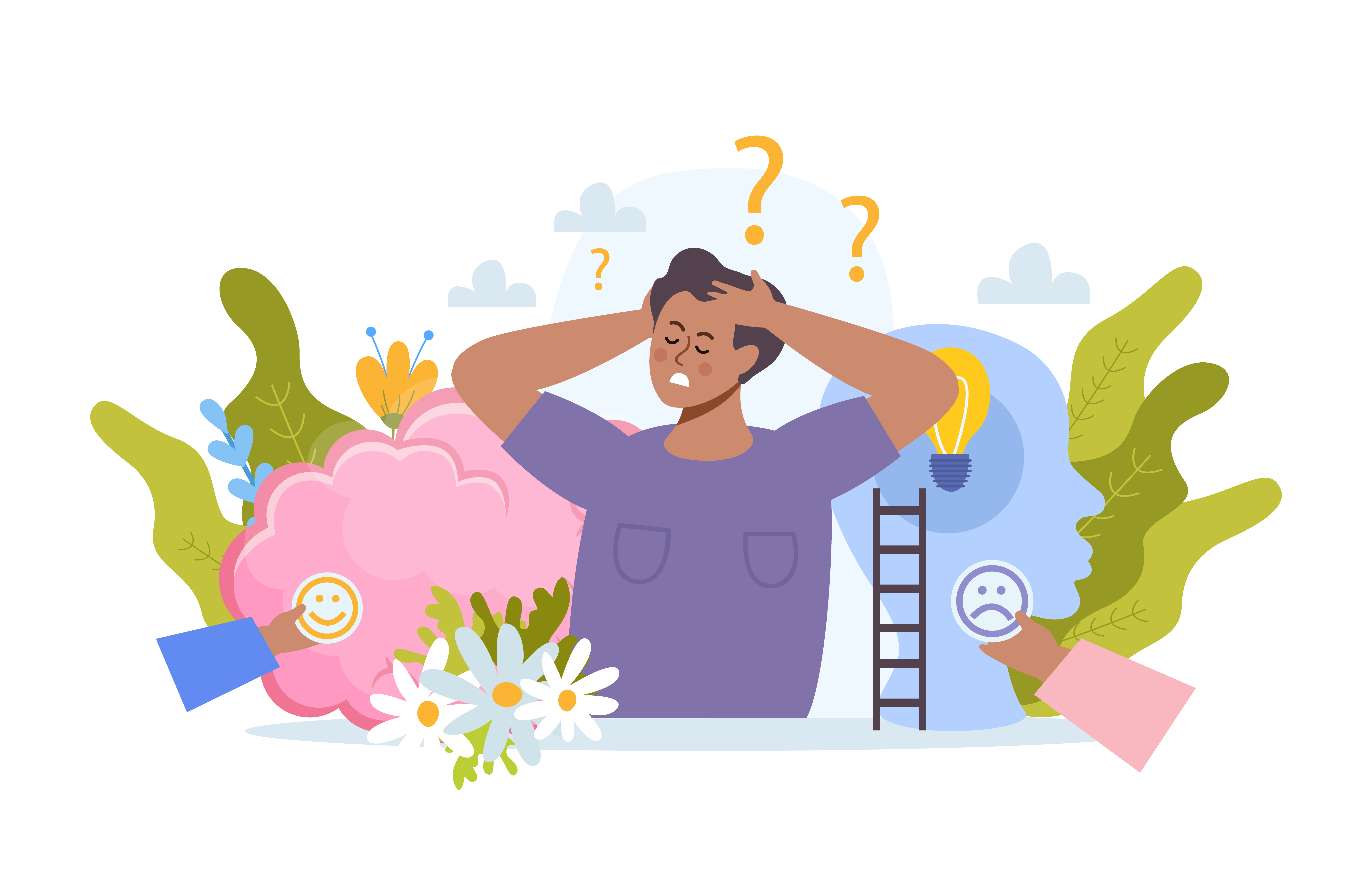
Learn More About: Brain Fog: What Causes It?

.jpg)




.svg)