
.svg)


How At-Home Oral Ketamine Therapy for Depression Works


For many people living with persistent depression, thought patterns can feel like well-worn tracks in the brain, making it difficult to see a way out. The concept of neuroplasticity—your brain's ability to form new connections—offers a different way to think about change. Ketamine therapy is thought to support this process, creating a window where new perspectives can emerge. The development of medically supervised programs for safe oral ketamine for depression at home brings this possibility into a familiar, comfortable environment. This guide explains the process, from the initial consultation to the crucial integration work that follows, exploring how this structured approach may help create space for new ways of thinking and feeling.
Key Takeaways
- Understand the full process: At-home oral ketamine therapy is a structured journey that includes a thorough medical screening, supervised sessions in your own space, and vital integration coaching to help you make sense of your experiences.
- It works differently than many conventional treatments: Ketamine therapy is thought to support neuroplasticity—your brain’s ability to form new connections—which may create an opportunity to shift out of persistent thought patterns and gain new perspectives.
- Find a provider that aligns with your needs: Programs differ in their approach, cost, and level of support. It's important to ask questions about safety protocols and integration to find a clinical team you feel comfortable with.
What Is Oral Ketamine Therapy?
When you’ve tried traditional approaches for depression without seeing the changes you hoped for, it’s natural to look for other options. Oral ketamine therapy is one such alternative that’s becoming more accessible. It involves taking a prescribed dose of ketamine, usually as a small tablet or liquid, in the comfort of your own home. This approach is designed for individuals exploring different paths to mental wellness, particularly those with treatment-resistant depression.
Unlike treatments that require you to visit a clinic, at-home programs combine the medication with a supportive structure that includes virtual consultations and guidance. As our team at Better U explains, "at-home oral ketamine therapy is a treatment option for individuals exploring alternatives to conventional approaches for mental health." The goal is to provide a structured and monitored experience that allows you to engage with the therapeutic process in a familiar environment. This method offers a level of privacy and convenience that can make it easier to fit into your life, removing the barriers of travel and time spent in a clinical setting. It’s a different way of thinking about mental health care—one that brings the treatment to you.
How Ketamine Therapy Interacts with the Brain
So, what’s happening in the brain during ketamine therapy? The experience is thought to be connected to a process called neuroplasticity. Think of neuroplasticity as your brain's ability to rewire itself by forming new connections and pathways between nerve cells. For someone experiencing persistent patterns of depression or anxiety, thoughts can feel like they’re stuck in a loop.
Ketamine therapy is believed to support the brain’s capacity for change. According to the team at Mindbloom, "ketamine therapy works by helping your brain create new connections (this is called neuroplasticity) and can give you new ways of thinking." By encouraging this flexibility, the therapy may open up space for new perspectives and emotional patterns to emerge, allowing you to process experiences from a different vantage point.
Oral vs. IV Ketamine Therapy: What’s the Difference?
You may have heard of ketamine therapy being administered intravenously (IV) in a clinic. The main difference between oral and IV ketamine therapy lies in how the medication is delivered and absorbed by the body. With IV infusions, ketamine enters the bloodstream directly, which often leads to a rapid onset of its effects. This in-clinic procedure is monitored closely by medical staff.
Oral ketamine therapy, taken as a tablet or liquid, is absorbed more gradually through the digestive system. This typically results in a gentler onset and a different kind of experience. While both methods are used for mental health, their side effect profiles can vary. For example, a provider like Keta Medical Center notes that with infusions, "common side effects may include mild dizziness, nausea, or a temporary feeling of dissociation." The at-home oral method provides a different experience in a controlled, comfortable setting.
How Does At-Home Oral Ketamine Therapy Work?
Starting at-home oral ketamine therapy is a structured and supportive process designed with your well-being in mind. Unlike walking into a clinic, this approach allows you to be in the comfort and privacy of your own space, guided by a dedicated clinical team from start to finish. It’s not just about receiving medication; it’s a comprehensive program that combines medical supervision with deep, introspective work. The journey is typically broken down into three key phases: the initial consultation, the medicine session itself, and the crucial integration work that follows. Each step is intentionally designed to create a framework for personal exploration and growth, helping you move toward a new understanding of your mental health. This model acknowledges that meaningful change happens when medical innovation is paired with compassionate, human-centered care. Let's walk through what you can expect at each stage of this carefully guided process.
Your Initial Telehealth Consultation
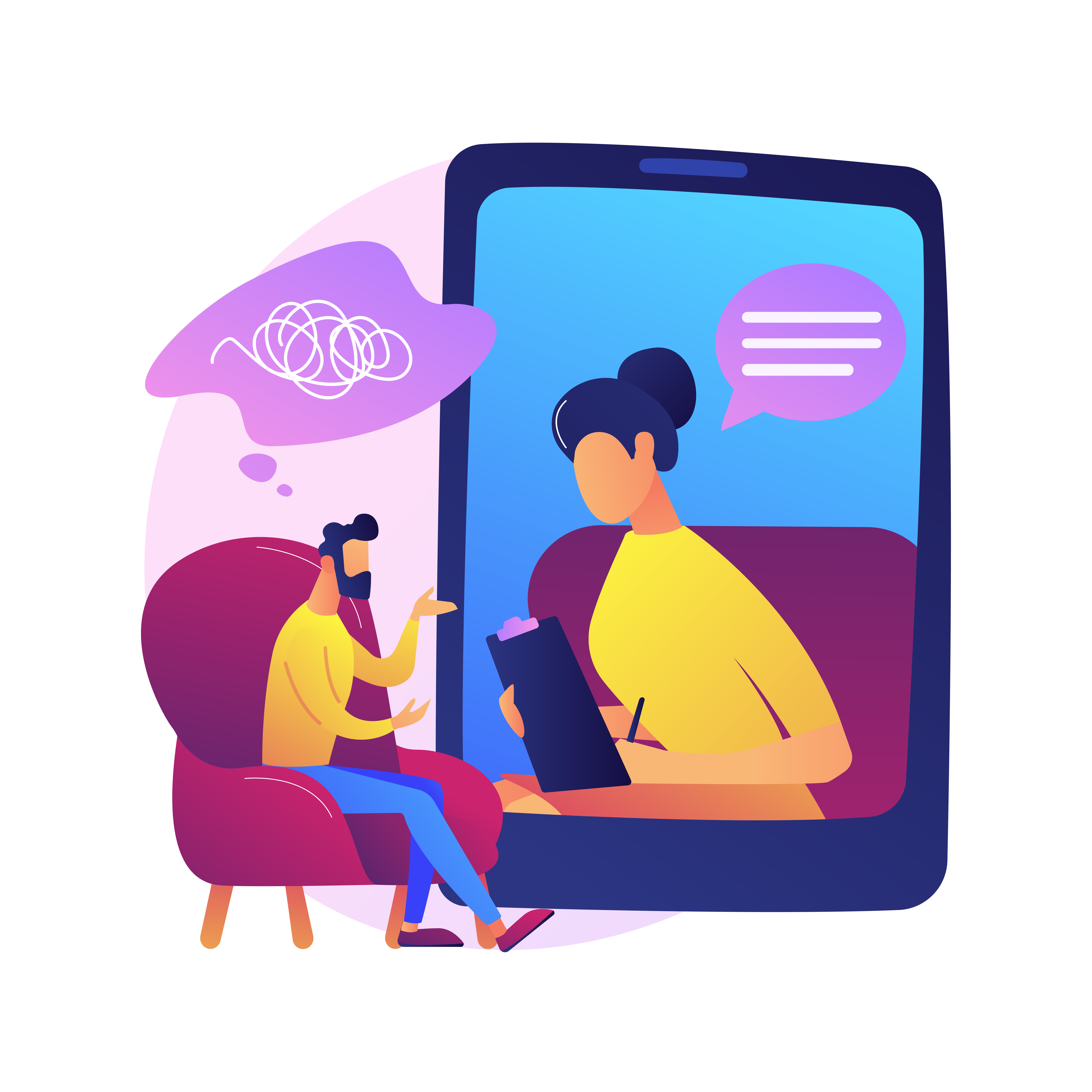
Your journey begins with a comprehensive telehealth consultation with a licensed clinician. This initial meeting is a crucial first step where you’ll discuss your mental health history, past treatments, and what you hope to achieve with ketamine therapy. It’s a confidential and compassionate space for you to ask questions and for the clinical team to get a full picture of your needs. The clinician will conduct a thorough medical and psychiatric evaluation to determine if at-home oral ketamine therapy is an appropriate option for you. If you move forward, they will develop a personalized treatment plan, including your specific dosing protocol and session schedule, ensuring the approach is tailored to your individual circumstances and goals.
What to Expect During a Supervised Session
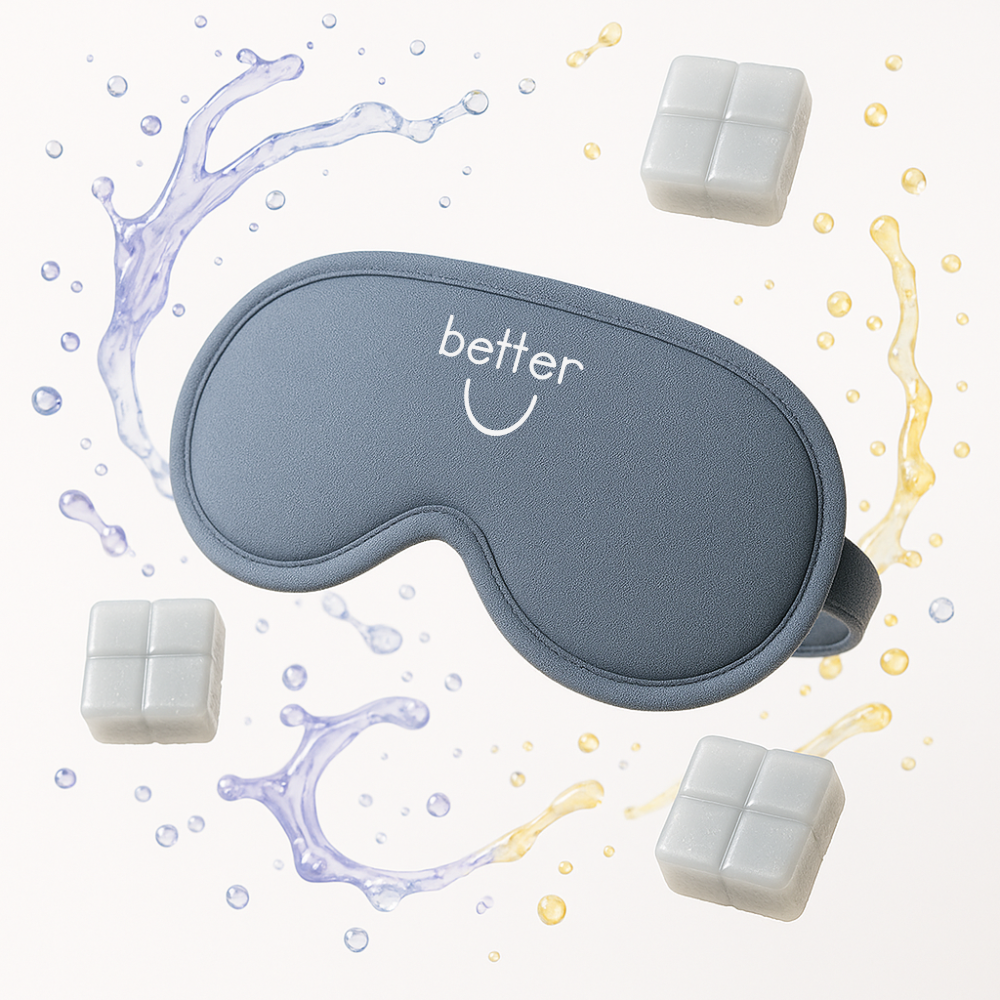
Once your treatment plan is in place, you will prepare for your first at-home session. You’ll be instructed to take your oral ketamine medication in a calm, comfortable, and private setting where you won't be disturbed. While you are at home, you are not alone. Many programs provide support from a clinician or a trained guide through a video call during your session. This person is there to help you feel grounded and supported throughout the experience. The session itself is a time for introspection. Many people find it helpful to listen to curated music and wear an eye mask to help them focus inward. The goal is to create a space where you can observe your thoughts and feelings without judgment.
The Role of Integration and Ongoing Support
The ketamine therapy session itself is only one part of the process. The period after the session is where much of the meaningful change can take root. This is known as integration. Integration is the process of making sense of the thoughts, feelings, and insights that may have come up during your session and learning how to apply them to your daily life. Reputable programs offer holistic support that includes integration coaching. An integration coach helps you process your experience, identify new patterns, and develop actionable steps for building healthier habits. This ongoing support from your care team is fundamental to turning your experiences into lasting personal growth.
Why Consider Oral Ketamine Therapy?
When you've tried multiple treatments for depression without seeing the changes you hoped for, it’s natural to feel discouraged. Traditional approaches don't work for everyone, and the search for something that does can be exhausting. Oral ketamine therapy offers a fundamentally different approach. It works on a distinct pathway in the brain, creating an opportunity for new perspectives and thought patterns, especially for those who feel stuck. Let's explore why this might be a path worth considering on your journey toward well-being.
A Different Approach for Treatment-Resistant Depression
For many people living with treatment-resistant depression, the cycle of trying new medications without seeing a shift can feel endless. At-home ketamine therapy presents a different option because it operates on a different biological mechanism than most conventional antidepressants. Instead of waiting weeks or months to notice a change, some individuals report changes in their outlook and mood more quickly. Studies into telehealth-supported programs suggest that this modality is generally well-tolerated and has been associated with a reduction in depressive symptoms for some patients. It’s an alternative path for those who have not found success with other psychiatric treatments and are looking for a new way forward.
How It Differs from Traditional Antidepressants
Most traditional antidepressants, like SSRIs, work by gradually increasing the levels of neurotransmitters like serotonin in the brain. While this approach helps many, it isn't a fit for everyone and can take a long time to produce noticeable effects. Oral ketamine therapy functions differently. It primarily targets the glutamate system, the most abundant chemical messenger in your brain. By influencing glutamate, ketamine therapy is thought to trigger a cascade of changes that can lead to rapid shifts in brain function. This distinct mechanism is why it may be an option for individuals who haven't responded to medications that focus solely on serotonin or other neurotransmitters, offering a different angle for managing persistent symptoms.
Supporting Neuroplasticity and New Perspectives
One of the most significant aspects of ketamine therapy is its connection to neuroplasticity—the brain's natural ability to reorganize itself by forming new neural connections. Think of it as creating new pathways through a dense forest where you've been walking the same worn-out trail for years. Ketamine therapy is thought to support this process, helping your brain build new connections and become more flexible. This biological shift can open the door to psychological change, allowing you to step outside of rigid, negative thought loops. For many, this creates a unique window of opportunity to see old problems from a new vantage point and develop more compassionate, resilient ways of thinking.
Important Protocols for At-Home Treatment
At-home ketamine therapy is a structured and medically supervised process. It’s more than just taking medication; it involves a series of thoughtful protocols designed to support your well-being and create a framework for your experience. From the initial consultation to preparing your environment, each step is an important part of the journey. Understanding these protocols can help you feel more prepared and grounded as you begin treatment.
The Importance of Medical Screening
Before you begin, a thorough medical screening is the essential first step. This isn't just a formality—it's a deep dive into your health history with a qualified clinician to determine if at-home ketamine therapy is an appropriate path for you. Because ketamine therapy can cause experiences like sedation, dizziness, or a spinning sensation, a comprehensive evaluation is crucial. This conversation ensures that any potential contraindications are identified and that your treatment plan is tailored specifically to your needs. It’s the foundation upon which a responsible and mindful treatment journey is built, giving you and your care team confidence as you move forward.
Why a Treatment Monitor Is Necessary
You won’t be going through your sessions alone. A key protocol for at-home ketamine therapy is having a treatment monitor present. This is another adult—a trusted friend, partner, or family member—who agrees to be physically with you during your session. Their role isn't to guide your experience, but simply to provide a grounding, supportive presence and help with any practical needs that might arise. As noted in standard safety information, having a "peer treatment monitor" is a common requirement. This person helps ensure you can remain focused inward, knowing that someone is there to hold a supportive space for you without interruption.
Understanding Dosing and Medication Protocols
Your ketamine therapy medication is prescribed specifically for you, and following the dosing instructions precisely is critical. Your clinical team determines the right dose based on your medical evaluation and treatment goals. It’s important to adhere to the prescribed dosing guidelines, which may include instructions to "use the supplied dosing cup to measure the mixed extended-release oral suspension." This isn't a process where more is better; the goal is to work with the amount your provider has determined is appropriate for your journey. Following these protocols carefully is an act of self-care and a vital part of the therapeutic process, allowing the medication to work as intended within a structured framework.
Preparing Your Space for a Session
The environment where you have your session—often called your "set and setting"—plays a significant role in your experience. Creating a calm, quiet, and comfortable space is an important part of the preparation. This might mean dimming the lights, putting on a curated playlist of calming music, having a cozy blanket nearby, and ensuring you won't be disturbed by pets, phones, or family members. The goal is to create a space that feels contained and supportive. Following guidelines to create a comfortable and secure experience can help you relax and turn your focus inward, which is central to the therapeutic potential of the session.
Understanding Potential Side Effects
Knowing what to expect during and after a ketamine therapy session is an important part of your journey. While every person’s experience is unique, being aware of potential side effects can help you feel more prepared and grounded. It’s helpful to remember that your clinical team is there to guide you, and the sensations you might feel are typically temporary and confined to the session itself. Understanding these possibilities allows you to approach your treatment with confidence and curiosity, knowing you are supported every step of the way.
Common Experiences During a Session
During a session, it's common to experience a range of new physical and emotional sensations. Many people report a shift in their perception or a feeling of being disconnected from their immediate surroundings. This is often described as dissociation, and it can feel like you are observing your thoughts and feelings from a distance. You might also experience changes in sensory perception, like seeing colors more vividly or feeling a sense of weightlessness. These experiences are a known part of ketamine therapy and usually fade shortly after your session concludes.
Potential Cognitive and Memory Effects
Ketamine therapy can temporarily affect your cognitive state. It’s common to feel sleepy, dizzy, or have a spinning sensation during the experience. Some people also report feeling confused or having difficulty forming clear thoughts, which is why it’s so important to be in a comfortable, supervised setting. These effects are generally short-lived and resolve as the medication wears off. Your medical team will provide you with detailed guidance, which you can also review in our Important Safety Information, to ensure you are properly prepared for these potential cognitive shifts.
Physical Sensations and Important Considerations
You may also notice some physical sensations during your treatment. Common side effects can include nausea, dizziness, or an increase in your heart rate and blood pressure. Because of this, a thorough medical screening is a crucial first step to ensure at-home ketamine therapy is an appropriate option for you. Your care team will review your health history, particularly any cardiovascular conditions. They will also give you instructions on how to create a calm environment and position your body to minimize discomfort, allowing you to focus on your inner experience.
When to Contact Your Medical Team
Open communication with your medical team is key. While most side effects are mild and temporary, you should contact your provider if you experience anything that feels overwhelming or concerning. If you have persistent dizziness, confusion, or any signs of significant distress, it is crucial to reach out immediately. Your care team is available to answer questions and provide support throughout your treatment. This continuous access to professional guidance is a core part of our holistic approach, ensuring you feel attended to at every stage of your journey.
Finding an At-Home Ketamine Therapy Provider
Once you’ve decided to explore at-home ketamine therapy, the next step is finding a provider that aligns with your needs and values. The at-home model has grown, and several platforms now offer this service, each with a unique approach to care. Understanding these differences is key to making an informed choice for your mental health journey. Some programs focus on a holistic, integrative model, while others prioritize clinician guidance or low-dose accessibility. Thinking about what level of support you want can help you find the right fit.
Better U: A Holistic Approach
Better U is built on a holistic foundation, viewing ketamine therapy as one part of a larger wellness journey. This approach combines at-home oral ketamine therapy with comprehensive support designed to help you make lasting changes. Instead of just providing medication, the program includes integration coaching, wraparound care, and access to a compassionate support network. The goal is to empower you with tools that extend beyond the treatment sessions themselves. This model is for individuals who are looking for more than just a prescription—it’s for those who want to understand their experiences and actively participate in their personal growth with structured ketamine therapy and guidance.
Mindbloom: A Clinician-Guided Model
Mindbloom offers a clinician-guided model that pairs the convenience of at-home treatment with consistent professional oversight. Their process is structured around ensuring you feel supported by a medical professional throughout your experience. This can be particularly reassuring for those new to ketamine therapy or anyone who values having a direct line to expert guidance. Mindbloom’s programs are designed for people managing symptoms of anxiety and depression, with a framework that emphasizes a strong patient-clinician relationship. This approach is well-suited for individuals who prioritize medical supervision and want the reassurance of a guided process from start to finish.
Joyous and Other Telehealth Options
For those interested in a different dosing protocol, Joyous provides a telehealth option centered on very low-dose ketamine therapy. This approach is designed to offer a more accessible and cost-conscious entry point into treatment. By focusing on lower doses, Joyous aims to reduce barriers for individuals seeking support for depression, anxiety, and PTSD without the intensity of higher-dose sessions. This model may appeal to people who are sensitive to medication or who are looking for a gentle way to begin exploring ketamine therapy. It highlights how telehealth is making different forms of mental health care available to more people.
How to Choose the Right Provider for You
Choosing the right provider is a personal decision that depends on your unique circumstances and goals. As you research your options, consider what matters most to you. Do you want a program with deep, ongoing integration support? Is having a clinician guide you through each step a priority? Or is affordability and a low-dose protocol more aligned with your needs? It’s important to look into each provider’s credentials, their specific approach to care, and the kind of support they offer beyond the medication. Telehealth-supported ketamine treatment is a significant development in mental health, and finding a partner you trust is the first step.
What Is the Cost of At-Home Ketamine Therapy?
One of the most significant barriers to mental health care is cost, and it’s a practical concern for anyone exploring new treatment options. At-home ketamine therapy was developed partly to make this type of care more accessible and affordable than traditional in-clinic infusions. While pricing varies between providers, at-home programs generally offer a more predictable and manageable cost structure.
Most at-home ketamine therapy providers operate on a monthly subscription model that includes your medication, clinician consultations, and support services like integration coaching. This approach avoids the high per-session fees associated with IV clinics and gives you a clear understanding of your monthly investment. When you’re comparing options, it’s important to look at what each package includes to understand the full value.
Comparing Costs Between Providers
The cost of at-home ketamine therapy can range significantly depending on the provider, the dosage, and the level of support included. Some companies offer very low-dose daily programs starting around $129 per month. Other providers may have monthly costs ranging from $400 to over $1,000, which typically include higher doses, more intensive clinical oversight, and comprehensive integration coaching. Better U’s ketamine therapy programs are designed to bundle medical consultations, medication, and integration support into a clear pricing structure. When evaluating providers, consider the frequency of clinician check-ins and the availability of coaching, as these services are vital to the therapeutic process and often account for differences in price.
Understanding Insurance and Payment Options
A common question is whether health insurance will cover at-home ketamine therapy. Currently, most insurance plans do not directly cover the cost because oral ketamine therapy is prescribed for off-label use for mental health conditions. However, that doesn’t mean you’re entirely without options. Many people are able to use funds from a Health Savings Account (HSA) or Flexible Spending Account (FSA) to pay for their treatment. Some providers may also give you the documentation needed to submit a claim to your insurance company for potential out-of-network reimbursement, though this is never guaranteed. It’s always a good idea to check with your insurance plan and your chosen therapy provider to clarify what might be possible.
How At-Home Costs Compare to In-Clinic Treatments
When you compare the cost of at-home ketamine therapy to in-clinic IV infusions, the difference is substantial. A single IV infusion can cost anywhere from $400 to $2,000, and a typical initial series of six sessions can easily total thousands of dollars. This price often doesn’t include initial consultations or follow-up appointments. At-home programs bundle these costs into a single monthly fee that is often less than the price of one or two IV sessions. Furthermore, at-home treatment eliminates associated costs like transportation, taking time off work, and arranging for childcare, making it a more practical option for many. Studies on telehealth-supported ketamine treatment suggest that it can be a well-tolerated approach, offering a more accessible path for individuals exploring this type of therapy.
What to Expect on Your Journey
Beginning at-home ketamine therapy is a significant step, and it’s natural to wonder what the process will look like. While every person’s path is unique, understanding the general landscape can help you prepare for the road ahead. This journey is less about a destination and more about a process of discovery, where you create new neural pathways and develop a different relationship with your thoughts and emotions. It requires patience, curiosity, and a commitment to your own growth. The experience is shaped not just by the medicine, but by your mindset, your environment, and the support you have around you.
Understanding Timelines and Potential Responses
One of the first questions people ask is, "When will I notice a change?" There is no single answer, as each person's nervous system and history is different. For some, shifts in perspective can occur after the first few sessions. For others, the process is more gradual, unfolding over several weeks as new patterns of thinking and feeling begin to take hold. It’s helpful to approach this process without rigid expectations.
While individual experiences vary, research can offer some insight. A longitudinal study on at-home ketamine therapy for depression found that more than half of the participants experienced a significant reduction in their symptoms. About a quarter of participants found their symptoms lowered to a point of remission. This doesn't guarantee a specific outcome, but it shows what is possible as you engage with the treatment.
Factors That Can Influence Your Experience
Your journey with ketamine therapy is shaped by several personal factors. Research suggests that variables like your age and the intensity of your symptoms when you begin treatment can influence your experience. However, these are just parts of a much larger picture. Your mindset and intention going into each session play a crucial role. Creating a calm, comfortable setting and approaching the experience with openness can make a significant difference.
Beyond the sessions themselves, your commitment to the integration process is key. This is where you make sense of your insights and translate them into your daily life. Having a strong support system—whether it’s a therapist, coach, friends, or family—provides a foundation for this work. Your overall lifestyle, including nutrition, movement, and mindfulness practices, also contributes to your capacity for change and growth.
Long-Term Wellness and Continued Care
At-home ketamine therapy is designed to be a catalyst for change, not a standalone solution. The goal is to help your brain become more adaptable, allowing you to build healthier mental and emotional habits that last. For many people, this involves more than one course of treatment. Studies show that for individuals who respond well to an initial round of therapy, a second round can help maintain and deepen their progress.
This is why ongoing support is a fundamental part of the process. Having professional guidance helps you navigate the powerful experiences that can arise during treatment and integrate your new perspectives into your life. This continued care, like the integration coaching we provide at Better U, is essential for turning breakthroughs into lasting transformation. It’s about building resilience and equipping you with the tools to support your own well-being long after your sessions are complete.
Is At-Home Oral Ketamine Therapy Right for You?
Deciding to explore a new mental health treatment is a deeply personal choice. At-home oral ketamine therapy is a different path, one that invites curiosity and careful consideration. It’s not a quick fix, but rather a tool that, when combined with professional support, may help create new possibilities for your well-being. This approach is about empowering you with information so you can make a choice that feels aligned with your needs and goals. Many people who consider this option have spent years trying different approaches and are looking for something that addresses their experiences in a new way, moving beyond just managing symptoms.
Understanding if you are a candidate, what to ask a potential provider, and how to start the process are the first steps in determining if this journey is right for you. It involves looking at your past experiences with other treatments, learning about the protocols involved, and finding a clinical team you trust. Taking the time to ask questions and reflect on your own readiness is a crucial part of preparing for any new therapeutic experience. The goal is to move forward with clarity and confidence, knowing you’ve made an informed decision for your mental health. This section will walk you through these key considerations to help you determine if this path is a good fit for your unique circumstances.
Who Is a Candidate for This Therapy?
At-home oral ketamine therapy is often a consideration for individuals who feel they have exhausted conventional approaches to mental health. If you have tried traditional antidepressants or other therapies without seeing the changes you had hoped for, this might be an alternative to explore with a medical professional. It is generally considered for adults experiencing conditions like treatment-resistant depression or anxiety who are looking for a different way to address their symptoms. The ideal candidate is someone who is committed to the entire therapeutic process, which includes not just the medication but also the integration work that follows. It requires a willingness to engage in self-reflection and a desire to build new, healthier thought patterns.
Key Questions to Ask Your Provider
When you’re considering any new treatment, it’s important to be your own advocate. A thoughtful provider will welcome your questions and provide clear, honest answers. Before committing to a program, make sure you feel comfortable with the clinical team and their approach.
Here are some key questions to ask:
- What is your team’s experience with at-home ketamine therapy?
- What specific medical screening and safety protocols do you use?
- How will we work together to monitor my progress and any changes?
- What does the integration support look like after a session?
- What are the potential side effects I should be aware of?
It is crucial to have a thorough conversation about the entire process, including the potential for experiences like dissociation or dizziness. You can review important safety information to prepare for this discussion.
How to Begin Your Treatment Journey
Starting your journey with at-home ketamine therapy typically begins with a telehealth consultation. This model helps make mental health care more accessible by removing barriers like travel and long wait times, allowing you to connect with a clinician from the comfort of your home. The first step is usually an online assessment or intake form, followed by a video call with a medical provider. During this initial meeting, you’ll discuss your health history, your mental health goals, and determine if the treatment is an appropriate option for you. If you decide to move forward, the clinical team will guide you through every step, from preparing for your first session to integrating your experiences afterward. To get a sense of what the investment looks like, you can explore different program packages and payment options.
Related Articles
- Unlocking the Future of Mental Health: The Benefits of At-Home Ketamine Therapy and Telehealth
- Oral Ketamine Therapy for Depression: A Practical Guide
- Who is ketamine therapy right for?
- Which Type Of Ketamine Therapy Is Best?
Frequently Asked Questions
What does an at-home session actually feel like? Every person’s experience is unique, but many describe the session as a time of deep introspection. You might feel a sense of detachment from your usual thoughts and surroundings, which can allow you to observe your feelings from a new perspective. Some people notice changes in their sensory perception, like seeing colors or patterns with their eyes closed, or feeling a sense of weightlessness. These sensations are temporary and typically fade shortly after the session ends. The goal is to create a comfortable space where you can turn your focus inward with curiosity.
Is at-home ketamine therapy done alone? While you are in the comfort of your own home, you are not alone in this process. A key part of the protocol is having a trusted adult, known as a treatment monitor, present with you for the duration of the session. This person is there to provide a supportive presence and assist with any practical needs, not to guide your experience. Additionally, many programs, including ours, offer support from a clinician or guide via video call, ensuring you have professional oversight and a grounding presence throughout your journey.
What is "integration" and why is it so important? Integration is the work you do after a ketamine therapy session to make sense of your experience. The session can bring up new insights, emotions, and perspectives, and integration is the process of weaving those discoveries into your daily life. It’s the bridge between the introspective experience and creating new habits and thought patterns. Working with an integration coach helps you process what came up, identify actionable steps, and turn your insights into meaningful, lasting change.
How is oral ketamine therapy different from traditional antidepressants? Most traditional antidepressants work by influencing neurotransmitters like serotonin, a process that can take weeks or months to produce noticeable changes. Oral ketamine therapy works differently by targeting the brain's glutamate system. This is thought to support neuroplasticity, which is your brain's ability to form new connections and pathways. This may create a window of opportunity for psychological change, allowing you to step outside of rigid thought loops and see things from a different vantage point.
How do I know if I'm a good candidate for this type of therapy? This therapy is often considered by individuals who have not found the desired results with other treatments for conditions like treatment-resistant depression or anxiety. A good candidate is someone who is ready to engage in a comprehensive process that includes both the medicine sessions and the reflective work of integration. The first and most important step is a thorough medical and psychiatric consultation with a licensed clinician. They will review your health history and personal goals to determine if this approach is an appropriate option for you.
Disclaimer: The content on this page is for informational and educational purposes only and is not medical or psychiatric advice. It does not create a patient–provider relationship and is not a substitute for consultation with a licensed clinician. Some treatments discussed (including holistic, weight management, sexual health, ketamine or other innovative therapies) may involve off‑label or non‑FDA‑approved uses and are not guaranteed to be safe, effective, or appropriate for you. Always talk with a qualified healthcare professional before making any changes to your care. Better U’s clinical team is available to provide personalized telemedicine appointments to determine which treatments, if any, may be appropriate for your individual situation.
Latest articles
Brain Fog: What Causes It?
Learn More About: Brain Fog: What Causes It?
The Role of Telemedicine in Modern Mental Healthcare
How Social Media May Affect Mental Health
.jpg)
What Burnout Really Looks Like