

.svg)



Ketamine Therapy Certification Online vs In-Person: What’s Better for Therapists?


Hannah Gantt, LPCC
Choosing how you’ll train as a ketamine therapist is more than a logistical decision, it shapes your skills, your confidence, and ultimately, the care you’ll provide. As the demand for ketamine-assisted therapy grows, so does the number of certification options, ranging from fully online programs to immersive in-person retreats.
At Better U, we’ve seen firsthand how a therapist’s training experience can influence their comfort with the medicine, their ability to guide clients, and their long-term success in the field. We’re passionate about helping future ketamine therapy practitioners make informed choices, because the right training sets the tone for the kind of healer you’ll become.
While Better U is primarily known for delivering safe, at-home ketamine therapy to clients across the U.S., we also act as a bridge for clinicians, offering insight into the real-world application of the methods you’ll learn in certification programs. Whether you go online, in-person, or choose a hybrid model, we want you to understand the strengths and limitations of each approach so you can confidently choose the path that aligns with your career vision.
Why Training Format Matters for Ketamine Therapy
Ketamine therapy isn’t like traditional talk therapy. It combines medical knowledge, psychedelic-informed principles, and integration strategies into a highly specialized skill set. Training programs cover a range of competencies, including:
- Pharmacology and dosing protocols
- Legal and ethical considerations for off-label ketamine use
- Client screening and preparation
- Guiding sessions (both psychotherapeutic and non-directive approaches)
- Integration methods for long-term transformation
The format of your training, online vs in-person, will affect how you absorb these skills, how much hands-on practice you get, and how prepared you feel to work with clients.
Online Ketamine Therapy Certification
Best for: Flexibility, self-paced learners, professionals balancing busy schedules
What It Looks Like:
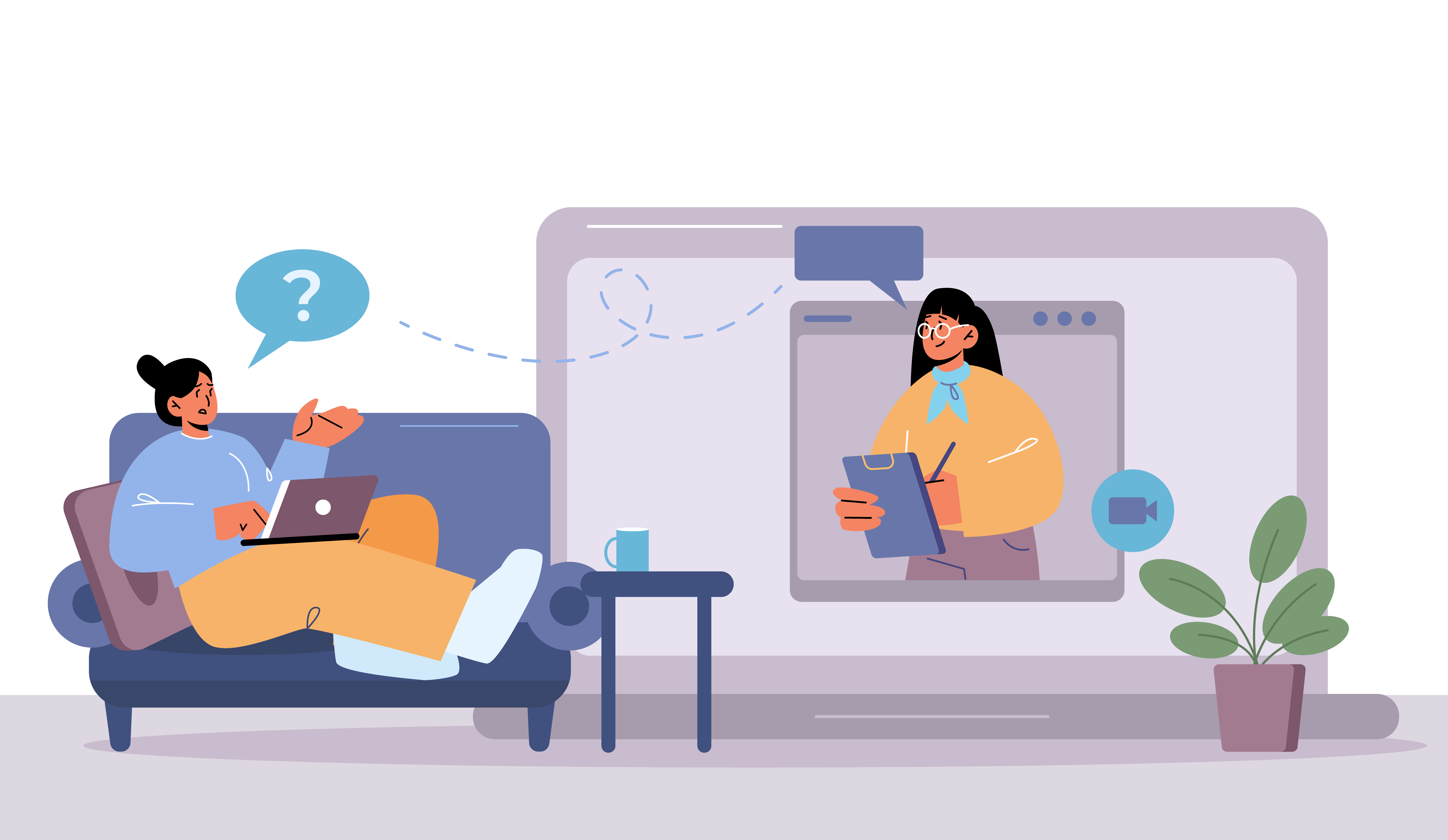
Online certification programs range from pre-recorded video modules to live Zoom lectures and virtual integration groups. Some offer optional in-person components for experiential learning.
Advantages:
- Flexibility: Learn at your own pace, fit modules around work and family
- Accessibility: No travel required; reduces costs for flights, lodging, time off work
- Diverse faculty: Many online programs pull in guest lecturers from around the world
- Resource-rich: Lifetime access to recorded materials and research libraries
Limitations:
- Less experiential practice: Limited opportunities to participate in or observe live ketamine therapy sessions
- Reduced networking: Building peer relationships can be harder without face-to-face interaction
- Hands-on confidence gap: You may feel less comfortable with dosing, set/setting preparation, or mid-session interventions without live exposure
Examples of Online-Focused Programs:
- Changa Institute (16 Weeks, 42 CE Credits): Deep dive into ketamine-assisted psychotherapy (KAP), ethics, client prep, and integration.
- Alchemy Therapy Center (7 Weeks, 30+ Hours): Strong focus on diversity, equity, and inclusion in psychedelic therapy.
In-Person Ketamine Therapy Certification
Best for: Experiential learners, therapists seeking hands-on immersion, those wanting direct mentorship
What It Looks Like:These programs are often retreat-style intensives lasting 5–7 days, combining lectures with supervised ketamine therapy sessions (sometimes as both participant and guide).
Advantages:
- Hands-on experience: Observe or participate in live sessions to deepen your understanding
- Immediate mentorship: Learn directly from experienced facilitators who can answer questions in real time
- Networking opportunities: Build strong peer connections that last beyond the training
- Embodied learning: Experiencing ketamine therapy as a participant can transform how you facilitate sessions
Limitations:
- Higher cost: Includes travel, lodging, and time away from work
- Fixed schedule: Less flexibility for those balancing multiple commitments
- Limited scalability: Once the retreat is over, continued learning depends on your own follow-up efforts
Examples of In-Person Programs:
- PRATI (Psychedelic Research and Training Institute): Known for its immersive, retreat-based KAP training.
- Ketamine Training Center (KTC): 5–6 day hands-on dosing and administration experience.
Hybrid Models: The Best of Both Worlds?
Many therapists find that hybrid programs offer the most balanced approach:
- Online modules for theory, ethics, and pharmacology
- In-person intensives for supervised experiential learning
- Ongoing virtual integration groups for long-term support
This format gives you flexibility without sacrificing the confidence that comes from hands-on training.
Better U’s Perspective on Choosing the Right Format
As a provider of at-home ketamine therapy, we see daily how training style impacts client care. Therapists who’ve had direct experiential practice often feel more confident navigating challenging moments in-session. At the same time, those who’ve gone through robust online programs tend to have a deeper grasp of the theoretical frameworks, research, and ethics behind the work.
When choosing your path, we recommend asking:
- How confident do I feel about the medical aspects of ketamine therapy? If low, prioritize programs with strong in-person components.
- Do I have the flexibility for travel and immersive learning? If not, a high-quality online program can still prepare you, especially if supplemented with mentorship.
- What’s my long-term vision? Therapists planning to open their own KAP practice may benefit more from hybrid programs that combine business strategy with clinical training.
The Bottom Line
There’s no one-size-fits-all answer to online vs in-person ketamine therapy certification, but there is a right fit for you. If flexibility, affordability, and ongoing access to materials matter most, online training is likely your best option. If you value immersion, live mentorship, and hands-on practice, in-person training will give you a confidence boost you can’t replicate on Zoom.
And remember: Your training is just the beginning. Whether you’re online, in-person, or hybrid, you’ll grow most by pairing your certification with real-world application, ongoing mentorship, and a commitment to integration practices, the same principles that guide us at Better U every day.
Latest articles

Brain Fog: What Causes It?
Learn More About: Brain Fog: What Causes It?
The Role of Telemedicine in Modern Mental Healthcare

How Social Media May Affect Mental Health
.jpg)
What Burnout Really Looks Like