
.svg)


Is Ketamine Therapy Good for Anxiety? What to Know


For many people struggling with persistent anxiety, the practical barriers to getting treatment can feel overwhelming. Finding the time and energy for weekly in-clinic appointments, not to mention the high cost, can make consistent care feel out of reach. At-home ketamine therapy was developed to address these exact challenges, offering a structured, clinician-guided program you can undertake from the comfort of your own space. This increased accessibility leads many to wonder, is ketamine good for anxiety when experienced in such a personal setting? This guide explains how a supported, at-home model works, from the initial consultation to the integration process, and why a familiar environment can be a powerful part of your journey.
Key Takeaways
- A Different Neurological Approach: Ketamine therapy works with the brain's glutamate system to support neuroplasticity, which may help create new ways of thinking. It's often considered when traditional treatments for anxiety haven't provided the desired outcome.
- A Structured and Guided Experience: At-home ketamine therapy is not a DIY process. It involves comprehensive medical oversight, a personalized treatment plan, and integration coaching to help you make sense of your experiences.
- Integration is Key to Lasting Change: The ketamine therapy session is just the beginning. The real work happens afterward, where you use the insights gained to build new habits and perspectives, often with the support of a coach or therapist.
What Is Ketamine Therapy for Anxiety?
When you’ve tried multiple approaches for anxiety without seeing the changes you’d hoped for, it’s natural to look for other options. Ketamine therapy is one of those options, and it works differently than many traditional medications. It’s not a daily pill, but a series of guided experiences designed to work on a deeper neurological level. Instead of just managing symptoms, this approach is thought to help the brain build new, healthier ways of thinking and processing emotions.
For many people living with persistent anxiety, it can feel like your brain is stuck in a loop of worry, fear, and rumination. Ketamine therapy introduces a new kind of input. It interacts with different neurotransmitter systems than most antidepressants, creating a window of opportunity for your brain to form new connections. This process, often called neuroplasticity, is at the heart of how ketamine therapy may help individuals move beyond rigid, anxious thought patterns. It’s a tool that, when combined with professional guidance and integration, can support profound shifts in perspective and emotional well-being.
A Brief History
Ketamine isn’t a new substance; it was first developed in the 1960s and has been widely used as an anesthetic in medical settings for decades. Its history in operating rooms and emergency departments is long and well-documented. More recently, clinicians and researchers began observing its impact on mood and psychological states. This led to a new field of study exploring its potential for mental health conditions, including anxiety, depression, and PTSD. This shift from the operating room to the therapy room marks an exciting evolution in how we approach mental wellness.
How It Interacts with the Brain
Unlike common antidepressants that primarily focus on serotonin, ketamine therapy works on a different chemical messenger in the brain: glutamate. Glutamate is the most abundant excitatory neurotransmitter and plays a vital role in mood, learning, and memory. Ketamine therapy is understood to temporarily block a receptor called the NMDA receptor, which increases glutamate activity in certain areas of the brain. This surge is thought to trigger a cascade of effects that can help restore connections between brain cells, essentially helping to reset circuits that may be contributing to anxious states.
Promoting New Neural Pathways
One of the most compelling aspects of ketamine therapy is its ability to support neuroplasticity—the brain's natural ability to reorganize itself by forming new neural connections. For someone with anxiety, thought patterns can become deeply ingrained, like well-worn paths in a forest. Ketamine therapy can act like a fresh snowfall, covering those old paths and making it possible to forge new ones. This process may help individuals break free from cycles of rumination and worry. Some clinical studies suggest this enhanced brain flexibility can also support cognitive functions, allowing for clearer thinking alongside a calmer mind.
How Does Ketamine Therapy Compare to Traditional Treatments?
If you’ve been navigating anxiety for a while, you’re likely familiar with the standard playbook: talk therapy, SSRIs, and maybe other medications. For many, these tools are incredibly helpful. But for others, the process can feel frustratingly slow, with side effects that are hard to manage and progress that feels stalled. This is often where the conversation about ketamine therapy begins. It’s not about dismissing traditional methods, but about understanding that different approaches work for different people.
Ketamine therapy operates on a different timeline and through a different biological mechanism than most conventional anxiety treatments. It represents a shift in how we can approach mental health, particularly for those who feel like they’ve tried everything without seeing the changes they’d hoped for. The primary distinctions come down to how quickly you might notice a shift, who the treatment is generally for, and the way it interacts with your brain chemistry to support new ways of thinking and feeling. Understanding these differences can help you decide if it’s a path worth exploring for your own journey.
Timeline for Potential Changes
One of the most significant differences between ketamine therapy and traditional antidepressants is the timeframe for potential changes. Medications like SSRIs work by gradually building up in your system, and it can often take four to six weeks, or even longer, to notice a difference in your anxiety levels. This waiting period can feel incredibly long when you’re struggling every day.
In contrast, ketamine therapy works differently. Because it interacts with the brain’s glutamate system, some people report noticing shifts in their mood and perspective much more quickly, sometimes within hours or days of their first session. This isn’t a guarantee, but this potential for a more rapid shift is a key reason why many people with persistent anxiety explore ketamine therapy as an option.
An Avenue for Treatment-Resistant Anxiety
Ketamine therapy is often considered for individuals with treatment-resistant conditions. This term applies when someone has tried multiple conventional treatments—such as different medications and types of therapy—without experiencing significant improvement in their symptoms. Feeling "stuck" in this cycle is a common and deeply frustrating experience, and it’s the primary reason researchers began studying ketamine therapy for mental health in the first place.
For those who feel they have exhausted their options, ketamine therapy can open a new door. It provides a different biochemical approach that isn't dependent on the same serotonin pathways as most common antidepressants. Because of this, it shows promise for people who haven't responded to other forms of treatment and are looking for another way to address persistent anxiety symptoms.
How It Differs from SSRIs and Benzodiazepines
Traditional medications for anxiety typically work on neurotransmitters like serotonin (SSRIs) or GABA (benzodiazepines). Ketamine therapy, however, works primarily on a different chemical messenger: glutamate. Glutamate is the most abundant excitatory neurotransmitter in your brain and plays a vital role in learning, memory, and mood.
By modulating glutamate, ketamine therapy is thought to trigger a cascade of changes in the brain that can lead to the growth of new neural connections. This process, known as neuroplasticity, essentially helps the brain become more flexible and "unstuck" from the rigid, negative thought patterns that often fuel anxiety. Instead of just managing symptoms, this approach may help your brain build new, healthier pathways from the ground up.
What Are the Potential Benefits of Ketamine Therapy?
For those who feel like they’ve tried everything for anxiety without seeing meaningful change, it’s understandable to wonder what makes any other approach different. Ketamine therapy isn’t a cure or a quick fix, but it works differently than many traditional medications. Its primary function is to create a window of opportunity—a period of increased mental flexibility and openness—that can make therapeutic work more impactful. By interacting with the brain’s chemistry in a unique way, it can help create the conditions for personal growth and new perspectives. The goal isn’t just to manage symptoms, but to use this opportunity to build new, healthier mental habits with the support of a structured program like at-home ketamine therapy.
Potential for Quick Symptom Shifts
Many people are familiar with the long waiting period associated with traditional antidepressants, which can take weeks or even months to produce noticeable effects. Ketamine therapy operates on a different timeline. Because it works on a different neurotransmitter system, some individuals report experiencing changes in anxious feelings within hours or days of their first session. This isn't a guarantee, but for someone struggling with persistent anxiety, this possibility can represent a significant shift, providing a much-needed foothold to begin the deeper work of processing and integration.
Interrupting Cycles of Negative Thoughts
Anxiety often feels like being stuck in a mental rut, with the same worries and fears playing on a continuous loop. These repetitive thought patterns can feel impossible to break. Ketamine therapy interacts with glutamate, a neurotransmitter that plays a vital role in mood and learning. This interaction is thought to disrupt the rigid, looping thought patterns that fuel anxiety. By interrupting this cycle, it can create a sense of mental space and clarity, allowing you to step back from your thoughts and observe them with a new perspective rather than being controlled by them.
Supporting Deeper Emotional Processing
The journey toward feeling better often involves confronting difficult emotions and memories that you may have spent years avoiding. This work can be incredibly challenging. The experience of ketamine therapy can sometimes create a state where you feel more able to approach these sensitive topics without feeling completely overwhelmed. It can provide a different vantage point, allowing you to process past events with a sense of detachment and curiosity. This is why guided support is so important—it ensures you can work through these experiences constructively and integrate the insights you gain.
Creating New Pathways in the Brain
Your brain has a remarkable ability to change and adapt, a quality known as neuroplasticity. Anxiety can create deep, well-worn neural pathways, making worry and fear the brain’s default response. Research suggests that ketamine therapy may help the brain form new, healthier neural pathways by interacting with specific receptors involved in learning and memory. This process can help you build more resilient thought patterns over time. Instead of just temporarily altering your mood, the goal is to support lasting change in how your brain responds to stress and triggers.
Understanding the Potential Risks and Side Effects
Like any medical treatment, it’s important to go into ketamine therapy with a clear understanding of the potential side effects and experiences you might have. While many people find the sessions insightful, the sensations can be unfamiliar. Knowing what to expect can help you feel more prepared and grounded throughout the process. It’s also why undergoing treatment with a qualified clinical team that provides preparation and integration support is so important. Our approach at Better U is designed to guide you through every step, ensuring you feel supported from start to finish.
Common Sensations During a Session
During a ketamine therapy session, you may notice a range of physical sensations. Many people report feeling a sense of lightness or even weightlessness, as if they are floating. It’s also common to experience changes in your perception of sight and sound. Colors might seem more vivid, or you may feel a deeper connection to the music you’re listening to. Some people also describe a feeling of being disconnected from their body in a gentle way. These sensations are temporary and typically fade as the medicine wears off. Our clinical team will help you prepare for these possibilities so you can relax into the experience.
The Psychological Experience
The psychological journey during a session is unique to each person. It can feel like a vivid, dream-like state where you can explore your thoughts and memories from a new perspective. For many, the goal is to find a sense of hope or a new way of looking at old problems. You might gain insights into long-standing patterns or feel a sense of connection to your deeper self. The experience isn't always linear or easy to describe, but it can open the door to introspection and self-discovery. This is a core part of how at-home ketamine therapy can support your mental health journey.
Important Safety Considerations
Ketamine therapy is not a one-size-fits-all solution, and it’s not appropriate for everyone. That’s why a thorough medical screening is the first and most critical step. Certain conditions, like uncontrolled high blood pressure, a history of psychosis, or substance use disorders, may make ketamine therapy unsuitable. It’s also crucial to work with a reputable provider. Sourcing ketamine from unverified online sources that lack comprehensive clinical oversight can be risky. Our program includes a detailed evaluation with a licensed clinician to ensure this treatment is an appropriate option for you before you even begin the program.
The Possibility of Increased Anxiety
Because ketamine therapy can help you access deeply stored emotions, it’s possible to experience a temporary increase in anxiety. The treatment can bring emotionally charged memories or feelings to the surface that may have been suppressed for a long time. While this can feel challenging, it’s often a meaningful part of the process. Having the right support system in place is key. Our integration coaches are here to help you process whatever comes up, turning difficult moments into opportunities for growth and understanding. This guided support helps you work with these emotions rather than feeling overwhelmed by them.
Is At-Home Ketamine Therapy a Fit for You?
Deciding if a new treatment is right for you is a significant step, especially when you’ve been on a long journey with your mental health. At-home ketamine therapy isn’t a one-size-fits-all solution, but for some, it can be a meaningful part of their path forward. The decision is a personal one, made in partnership with a qualified clinician who understands your history and your goals for the future. Here are a few key considerations to help you determine if this approach aligns with your needs.
When Other Treatments Haven't Worked
Ketamine therapy is generally considered for individuals who have tried other treatments, like traditional antidepressants or talk therapy, without finding the change they were hoping for. If you feel like you’ve hit a wall with conventional methods for managing anxiety or depression, this may be an avenue to explore. It’s not typically a first-line treatment, but rather an option for those with treatment-resistant conditions. The goal of our at-home ketamine therapy program is to offer a different approach that may help create new perspectives when other options have left you feeling stuck.
Key Medical and Mental Health Criteria
Your well-being is the top priority, which is why a thorough medical and psychiatric evaluation is the first step. Certain medical conditions, such as uncontrolled high blood pressure, or specific mental health histories may mean that ketamine therapy is not an appropriate option for you. Our clinicians conduct a comprehensive review of your health history to determine if you can move forward with the treatment. This careful screening process ensures that we only proceed when it is a suitable choice for your specific circumstances, aligning with our commitment to a holistic approach to psychiatry.
The Importance of a Support System
Going through at-home ketamine therapy sessions requires a supportive environment. We require every client to have a trusted adult present in the home during their sessions. This person, often called a "sitter," isn't there to guide the experience but to provide a comforting presence and help with any needs that might arise. Having someone you trust nearby helps create a sense of security, allowing you to fully engage with the process. This support system is a simple but vital part of the framework for your at-home sessions.
How We Determine if It's a Good Fit
Ultimately, the decision to begin ketamine therapy is made between you and your clinician. During your initial consultation, we’ll discuss your mental health journey, your past experiences with treatment, and what you hope to achieve. This conversation is open and honest, giving you the space to ask questions and share your concerns. Based on this comprehensive evaluation, your clinician will help you understand if our program is a good fit. We believe in transparency and partnership, ensuring you feel informed and confident in your care plan from the very beginning. You can review our treatment packages to see how our programs are structured.
What Does an At-Home Ketamine Therapy Program Involve?
If you're considering at-home ketamine therapy, you might be wondering what the process actually looks like. It’s designed to be a structured, supportive experience that fits into your life, allowing you to engage in deep therapeutic work from a familiar environment. The entire program is built around clinical oversight, personalized care, and meaningful integration, ensuring you are guided at every stage of your journey. Let's walk through the key components of what you can expect.
The At-Home Treatment Model
The at-home model allows you to undergo your ketamine therapy sessions in the comfort and privacy of your own space. This approach removes the barriers of traveling to a clinic, which can be a significant hurdle when you’re already managing symptoms of anxiety or depression. By being in a familiar setting, you can create an environment that feels calming and personally suited to your needs. This sense of control and comfort is an important part of the therapeutic process, allowing you to focus fully on your experience without the added stress of a clinical setting.
Guided by Clinicians Every Step of the Way
Even though your sessions are at home, you are never on your own. Our ketamine therapy program is clinician-guided from start to finish. It begins with a comprehensive evaluation with a psychiatric provider who determines if the treatment is appropriate for you. Throughout your program, our clinical team provides oversight, monitoring your progress and adjusting your treatment plan as needed. This continuous medical supervision ensures you are supported throughout your journey and can move forward with confidence, knowing a professional is guiding your care.
The Role of Integration and Coaching
The ketamine therapy experience itself is just one part of the process. What you do with the insights gained during your sessions is where lasting change can happen. That’s why integration coaching is a core component of our programs. An integration coach helps you make sense of your experiences, thoughts, and emotions that may surface during treatment. They provide tools and support to help you translate these insights into new perspectives and healthier daily habits. This focus on holistic psychiatry helps bridge the gap between the treatment session and your everyday life.
Understanding Your Treatment Plan
Your journey is unique, and your treatment plan should be too. There is no one-size-fits-all approach to ketamine therapy. Your personalized plan is developed based on your specific mental health history, symptoms, and personal goals for treatment. Your clinician will work with you to establish the right dosage, frequency, and session structure for your needs. We offer different treatment packages to accommodate various paths, and your plan will be tailored to give you a clear and structured path forward as you begin this important work.
How to Prepare for Your Consultation
Taking the step to schedule a consultation is a significant move toward exploring new possibilities for your mental health. This conversation is a chance for you to ask questions and for our clinical team to understand your unique story. Coming prepared can help you get the most out of this initial meeting. Think of it as a collaborative discussion to determine if an at-home ketamine therapy program is the right path for you at this time. The goal is to ensure you feel informed and confident in your decision-making process.
Your Full Medical and Medication History
Being open about your health is the foundation of this process. During your consultation, be ready to discuss your complete medical history, including any physical health conditions like high blood pressure or heart conditions. It’s also important to share a full list of current medications, supplements, and any history of substance use. This information allows a healthcare professional to get a clear picture of your overall health. This step isn’t about judgment; it’s about creating a partnership focused on your well-being and making sure this treatment is an appropriate option for your specific circumstances.
Your Mental Health Journey So Far
Your story is a vital part of the conversation. Be prepared to talk about your mental health journey up to this point. This includes what you’ve tried in the past—whether it’s talk therapy, different medications like SSRIs, or other approaches. Sharing what has or hasn’t worked helps our team understand the nuances of your experience. Ketamine therapy is often integrated with other forms of therapeutic work to address underlying patterns. By understanding your background, we can better see how this treatment might fit into your broader path toward personal growth and change.
Setting Clear Goals and Expectations
It’s helpful to spend some time thinking about what you hope to gain from this experience. Ketamine therapy is a tool that can help create new perspectives and interrupt unhelpful thought patterns, but it is not a standalone solution. Ongoing therapeutic work is often recommended to integrate the insights from your sessions. During your consultation, we’ll discuss what realistic expectations look like. Your goals might include gaining a new perspective on old problems, feeling more engaged in your life, or finding a way to move past feeling stuck. Having clear intentions helps shape your treatment plan and sets the stage for meaningful progress. You can review our program options to see how they are structured to support these goals.
Screening for Your Well-Being
The consultation is a two-way street. While you are learning about our program, our clinical team is also carefully assessing whether at-home ketamine therapy is a suitable fit for you. This screening process is designed entirely around your well-being. We need to ensure we can provide the appropriate level of support for your needs within an at-home setting. It’s crucial to work with qualified health professionals who can monitor your progress and support you throughout the journey. If we determine that our program isn’t the right match, we will always try to point you toward other resources that may be more helpful.
What to Expect During and After a Session
Knowing what to anticipate can make your ketamine therapy journey feel more grounded and intentional. The process isn't just about the session itself; it's about the preparation beforehand and the integration afterward. Your mindset and environment play a significant role, as does the support you have in place to process your experience. Understanding each phase can help you feel more prepared and empowered as you move forward.
Preparing Your Mind and Space
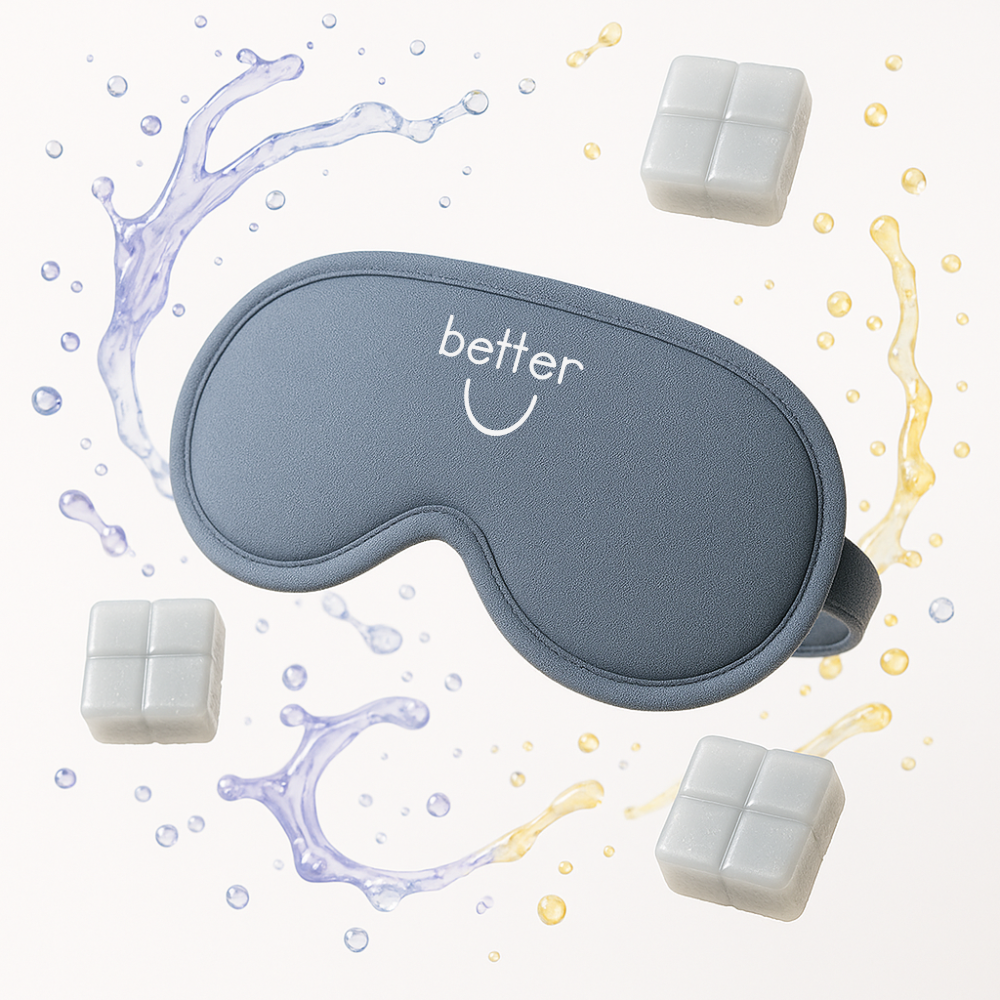
Preparation is about creating the right conditions for personal exploration. This involves your internal mindset ("set") and your physical environment ("setting"). Before a session, it’s helpful to set an intention—what you hope to understand or work through. Your physical space should be comfortable, quiet, and free from distractions. Many people use an eye mask, listen to calming music, and have a trusted person nearby. Our at-home treatment model is designed to help you create this supportive environment right where you feel most comfortable and in control.
What a Session Can Feel Like
The experience during a ketamine therapy session is unique to each person and is often described as a dreamlike or meditative state. Some people report a feeling of disconnection from their everyday thoughts and worries, which can create space for new perspectives. Sensations of weightlessness or floating are common, as is a sense of expansiveness. The goal isn't to have one specific type of experience, but to remain open and curious about whatever comes up. It’s a time for observation rather than analysis, allowing insights to surface naturally.
After the Session: Integration and Support
The period following a session is where much of the meaningful work happens. This is known as integration. The experience can bring new insights and emotions to the surface, and it's important to give yourself time to process them. Journaling, meditation, or simply resting can be helpful. This is also why integration coaching is a core part of our programs. Working with a coach helps you make sense of your experience and translate your insights into tangible changes in your daily life, turning a profound experience into sustainable growth.
Pairing Treatment with Therapy for Lasting Change
Ketamine therapy can open doors to new ways of thinking, but ongoing therapy helps you walk through them. It's often considered when other treatments for anxiety have been insufficient. While ketamine therapy may help interrupt patterns of anxious thinking, it doesn't replace the work of addressing their root causes. Combining ketamine therapy with psychotherapy allows you to explore underlying issues from a new vantage point. This dual approach supports a more comprehensive path toward building new, healthier emotional and cognitive habits for the long term.
Understanding the Cost and Accessibility
The financial aspect of any mental health treatment is a significant part of the decision-making process. When you’ve already invested so much time, energy, and money into approaches that haven’t worked, you want clarity and transparency. At-home ketamine therapy was developed not only as a different therapeutic model but also as a way to make this type of care more approachable for those who need it. By removing the overhead of a physical clinic, at-home programs can offer a different cost structure.
We believe you should have all the information you need upfront to decide if this path is right for you, without financial surprises. Understanding the costs, how they compare to other options, and the realities of insurance coverage can help you make an empowered choice for your mental health journey.
Our Transparent Pricing and Payment Options
We are committed to making our programs as accessible as possible, which starts with clear, upfront pricing. Unlike treatments that involve hidden fees or unpredictable costs, we outline everything included in your program from the start. This includes your medical consultations, ketamine therapy medication, integration coaching sessions, and ongoing support from our clinical team. You can find a full breakdown of our ketamine therapy pricing and payment plans on our website. Our goal is to provide a comprehensive care model without the financial guesswork, allowing you to focus entirely on your experience.
A Note on Insurance Coverage
Navigating insurance for ketamine therapy can be complicated. Because most forms of ketamine therapy are considered "off-label" for mental health conditions, many insurance providers do not cover the cost of treatment. While the FDA-approved nasal spray, Spravato, is more likely to have some insurance coverage, other modalities like IV infusions and at-home oral ketamine therapy are typically paid for out-of-pocket. We encourage you to speak with your insurance provider directly, but it’s important to be prepared for the possibility that this will be a personal investment in your well-being.
Comparing Costs to In-Clinic Options
When you look at the numbers, the cost of ketamine therapy can vary widely. In-clinic IV infusions, for example, often represent the highest cost. A single session can range from $400 to over $800, and a recommended initial series of six sessions can quickly add up to several thousand dollars. This doesn't include the additional costs of travel, time off work, or childcare. At-home programs provide a different financial model. By eliminating the need for clinic overhead and travel, the overall cost is often significantly lower, making it a more sustainable option for many who wouldn't otherwise be able to consider it.
Related Articles
- Ketamine Therapy for Depression and Anxiety: How It Works
- What Is Ketamine Therapy? Benefits, Science & Who Is Not a Good Candidate - Better U
- How Ketamine Therapy Works for Depression & Anxiety
- Who is ketamine therapy right for?
Frequently Asked Questions
How is ketamine therapy different from a traditional antidepressant? Think of it less like a daily medication and more like a series of guided therapeutic experiences. While most antidepressants work on serotonin and need to be taken every day to manage symptoms, ketamine therapy works on a different brain system involving glutamate. The goal is to create a temporary window of increased mental flexibility, which can help you work through ingrained thought patterns, rather than just dialing down symptoms on a day-to-day basis.
What does a ketamine therapy session actually feel like? The experience is unique to each person, but many describe it as a deeply meditative or dream-like state. You might feel a sense of detachment from your usual worries, allowing you to look at your thoughts and feelings from a new vantage point. Some people notice changes in their perception of sound or a feeling of weightlessness. These sensations are temporary and fade after the session, but the new perspectives can be explored further with your integration coach.
Why is integration coaching so important? Can't I just do the ketamine therapy sessions? The ketamine therapy session can open a door to new insights, but the integration work is how you learn to walk through it. The experience can bring up powerful emotions and ideas, and an integration coach helps you make sense of it all. They provide the tools and support to translate those insights into practical, positive changes in your daily life. This coaching is what helps turn a profound experience into sustainable personal growth.
How do I know if I'm a good candidate for at-home ketamine therapy? This approach is generally considered for individuals who have already tried other treatments for anxiety, like talk therapy or different medications, without the desired results. The first and most important step is a thorough consultation with a licensed clinician. They will review your complete medical and mental health history to determine if this treatment is an appropriate and suitable option for your specific situation.
What kind of support do I have during an at-home program? Although the sessions take place at home, you are guided by a clinical team throughout the entire process. Your journey begins with a comprehensive evaluation, and you'll have ongoing support from your provider. We also require you to have a trusted adult present in your home during each session for support. Most importantly, your integration coach is your partner in this work, helping you prepare for your sessions and process your experiences afterward.
Disclaimer: The content on this page is for informational and educational purposes only and is not medical or psychiatric advice. It does not create a patient–provider relationship and is not a substitute for consultation with a licensed clinician. Some treatments discussed (including holistic, weight management, sexual health, ketamine or other innovative therapies) may involve off‑label or non‑FDA‑approved uses and are not guaranteed to be safe, effective, or appropriate for you. Always talk with a qualified healthcare professional before making any changes to your care. Better U’s clinical team is available to provide personalized telemedicine appointments to determine which treatments, if any, may be appropriate for your individual situation.
Latest articles
Brain Fog: What Causes It?
Learn More About: Brain Fog: What Causes It?
The Role of Telemedicine in Modern Mental Healthcare
How Social Media May Affect Mental Health
.jpg)
What Burnout Really Looks Like