

.svg)



Is Ketamine an Opioid? Understanding Ketamine Therapy


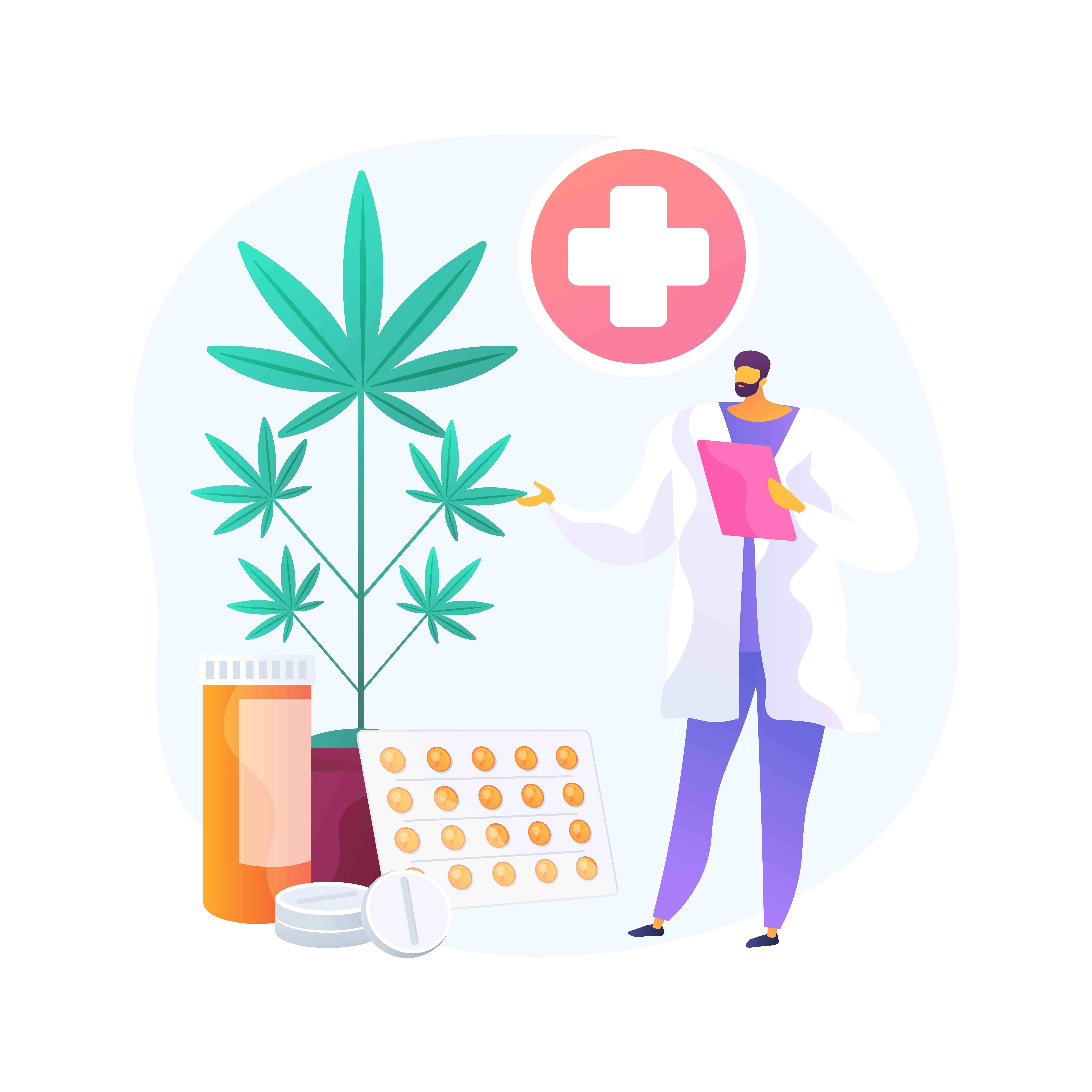
Think of your brain's complex network of receptors as a series of locks, each opened by a very specific key. While both ketamine and opioids are used in medical settings, they are two entirely different keys designed for completely separate locks. This is the simplest way to answer the question, is ketamine an opioid? The answer is a clear no. They interact with the brain in fundamentally different ways to produce very different outcomes. Understanding this distinction is essential for anyone considering ketamine therapy. In this article, we’ll explain exactly how each 'key' works, why they aren't interchangeable, and what that means for your mental health journey.
Key Takeaways
- Ketamine Therapy and Opioids Are Fundamentally Different: They belong to separate drug classes and work on distinct brain pathways. Ketamine therapy interacts with NMDA receptors, which is linked to neuroplasticity, while opioids bind to opioid receptors to manage pain.
- It Has a Long-Established Medical History: Ketamine is not a new substance; it has been used as an FDA-approved anesthetic in hospitals and surgical settings for over 50 years, giving clinicians a deep understanding of its function.
- Professional Guidance Is a Critical Part of the Process: Ketamine therapy should only be undertaken within a structured medical program. A qualified provider will conduct a thorough screening, monitor your experience, and offer integration support to help you process insights from your sessions.
What Is Ketamine and How Is It Used in Medicine?
Before we can understand what sets ketamine therapy apart, it helps to know where it comes from. You might be surprised to learn that ketamine isn't a new substance; it has a long and established history in conventional medicine. For decades, it has been a trusted tool in operating rooms and emergency settings around the world. Its journey from a traditional anesthetic to a component of modern mental health care is a fascinating one, reflecting a deeper understanding of how the brain works and what it needs to build new, healthier pathways. This evolution is key to understanding its role today and why it’s being explored for conditions like treatment-resistant depression and anxiety.
A Brief History of Ketamine
Ketamine’s story begins long before its use in mental health. It was first synthesized in the 1960s and was approved for human use by the FDA in 1970 as an anesthetic. Because of its track record in clinical settings, it was added to the World Health Organization’s List of Essential Medicines. For over 50 years, it has been used in hospitals, surgical centers, and veterinary clinics. This extensive history in controlled medical environments is important because it means clinicians have a deep familiarity with how it works in the body. Its transition into mental health care wasn't a sudden leap but a gradual discovery based on decades of observation and research.
Its Role in Anesthesia and Pain Management
Primarily, ketamine has been used as a powerful anesthetic, particularly in surgical settings and for managing acute pain. It’s known as a “dissociative anesthetic,” which is a clinical way of saying it can create a sense of separation from your body and your immediate surroundings. This unique property allows it to provide sedation and manage pain without suppressing the body’s respiratory or cardiovascular functions in the same way other anesthetics can. This is why it has been so valuable in emergency medicine and in operating rooms for both children and adults. Understanding its anesthetic roots helps clarify how it functions and why its effects are so different from other medications.
The Shift to Mental Health Treatment
Over the years, clinicians began to notice that patients who received ketamine for medical procedures sometimes reported unexpected changes in their mood and outlook. This sparked curiosity and led researchers to explore its potential for mental health conditions. This research has opened the door for its use in ketamine therapy, an approach that has gained attention for individuals with treatment-resistant depression, anxiety, and PTSD. Rather than just addressing symptoms, ketamine therapy is often used to help individuals access new perspectives and insights. When combined with therapeutic support, it can be a tool for exploring the root causes of emotional challenges and fostering new ways of thinking.
Is Ketamine an Opioid?
If you’re exploring new avenues for mental health care, you’ve likely come across a lot of information—and some of it can be confusing. One of the most common questions people ask is whether ketamine is an opioid. The short answer is no, it is not. While both have been used in medical settings to manage pain, they belong to completely different classes of substances and work in fundamentally different ways.
Understanding this distinction is an important step in making an informed decision about your health. The confusion often comes from their shared history in pain management, but their chemical structures, effects on the brain, and regulatory classifications are worlds apart. For anyone considering ketamine therapy for conditions like depression or anxiety, knowing why it isn’t an opioid can provide clarity and peace of mind. Let’s break down the key differences so you can feel confident in your understanding.
How Ketamine Is Officially Classified
Ketamine is officially classified as a dissociative anesthetic. That might sound technical, but it simply means it works by creating a sense of detachment from your body and your immediate surroundings. It’s also known as an NMDA receptor antagonist, which points to the specific pathway it uses in the brain—a pathway completely separate from the one used by opioids.
For decades, ketamine has been used in hospitals and medical settings for anesthesia and sedation during surgical procedures. Its classification reflects this primary medical function. Unlike opioids, which are primarily defined by their pain-suppressing properties, ketamine’s classification is rooted in its anesthetic and consciousness-altering effects.
The Key Reasons It's Not an Opioid
The most significant difference between ketamine and opioids lies in how they interact with your brain. Think of it like having two different keys for two very different locks. Opioids work by binding to opioid receptors, which are spread throughout the brain and body. When activated, these receptors block pain signals and can produce feelings of euphoria.
Ketamine, on the other hand, doesn't fit in that lock. Instead, it primarily works by blocking a different type of receptor called the N-methyl-D-aspartate (NMDA) receptor. These receptors play a crucial role in brain signaling, memory, and neuroplasticity—the brain's ability to form new connections. This unique mechanism is what allows ketamine therapy to support new thought patterns and perspectives.
Understanding Drug Schedules: Ketamine vs. Opioids
Another clear distinction can be found in how these substances are regulated. The U.S. Drug Enforcement Administration (DEA) uses a system of "schedules" to categorize substances based on their accepted medical use and potential for misuse. Ketamine is classified as a Schedule III controlled substance. This means it has a recognized medical purpose and a moderate to low potential for physical and psychological dependence.
In contrast, many well-known opioids like oxycodone, fentanyl, and morphine are classified as Schedule II substances. According to the DEA's drug scheduling system, Schedule II drugs have a high potential for misuse and can lead to severe psychological or physical dependence. This legal and medical distinction further highlights that ketamine and opioids are not in the same category.
How Do Ketamine and Opioids Affect the Brain Differently?
While both ketamine and opioids can be used in medical settings for pain management, they take completely different routes in the brain to achieve their effects. Think of it like two different keys designed for two entirely separate locks. Understanding these distinct neural pathways is crucial to seeing why ketamine therapy is not an opioid and why it’s being explored for mental health conditions. Their mechanisms, effects, and chemical structures are fundamentally different, which explains their separate classifications and uses in medicine.
How Ketamine Therapy Works: The NMDA Receptor
Ketamine therapy is known for producing a dissociative experience, where you might feel detached from your body and immediate surroundings. This happens because it works primarily by interacting with a specific type of brain receptor called the NMDA receptor. By temporarily blocking these receptors, ketamine therapy interrupts typical communication patterns in the brain. This interruption is thought to increase glutamate, a key neurotransmitter, which can then trigger the formation of new neural pathways. This process, known as neuroplasticity, may allow the brain to develop healthier thought patterns, which is why it’s a focus of mental health treatment. This mechanism is entirely different from how traditional antidepressants or opioids function.
How Opioids Work: A Different Brain Pathway
Opioids, on the other hand, operate on a completely separate system. They work by binding to specific sites in the brain called opioid receptors. These receptors are part of the body’s natural pain-regulating system. When opioids attach to them, they block pain signals from reaching the brain and can also trigger a release of dopamine, which creates a sense of euphoria. This is the primary mechanism behind their use in managing severe pain. Because they directly engage the brain’s reward system, their potential for dependence is a significant concern. This pathway is distinct from the NMDA receptor system that ketamine therapy primarily influences.
Why Naloxone (Narcan) Doesn’t Work on Ketamine
A clear, real-world example of their differences is how they react to overdose reversal medications. Naloxone (often known by the brand name Narcan) is an opioid antagonist. It’s designed to rapidly reverse an opioid overdose by binding to opioid receptors and blocking the effects of the opioid drug. However, naloxone has no significant effect on someone who has taken ketamine. Because ketamine therapy’s main actions aren't on the opioid receptors, naloxone can’t reverse them. This pharmacological fact is one of the strongest indicators that ketamine and opioids are in two very different classes of substances.
Ketamine vs. Opioids: The Core Differences
While both ketamine and opioids can be used in medical settings for pain management, that’s where their similarities end. Understanding their distinct properties is key to seeing why ketamine therapy is being explored for mental health, while opioids are not. They operate on completely different systems in the brain, have different chemical structures, and come with very different considerations. Thinking of them in the same category is a common misunderstanding, but a closer look reveals two very different substances with very different purposes.
Different Chemical Blueprints
At their core, ketamine and opioids are built differently and do different jobs. Ketamine is classified as a dissociative anesthetic. This means its primary function in medical settings is to create a sense of detachment from your body and your surroundings. It works on a completely different set of brain receptors than opioids do.
Opioids, on the other hand, are analgesics. Their main purpose is to address physical pain by binding to opioid receptors in the brain, which can also produce feelings of euphoria. This fundamental difference in their chemical makeup and how they interact with your brain is the most important distinction between them.
Contrasting Potential for Dependence
When used outside of medical guidance, any substance can carry a potential for misuse, but the way this presents with opioids and ketamine is quite different. Opioids are known for their high potential for dependence because of how they interact with the brain’s reward system.
While it’s possible to develop a psychological dependence on ketamine, it is generally considered to have a lower potential for addiction than opioids. When used in a therapeutic context, such as in a structured ketamine therapy program, the dosage, frequency, and setting are all carefully controlled by a medical professional to support a positive outcome and minimize risk.
How Quickly They Work and How Long They Last
One of the reasons ketamine therapy is being studied for mental health is the timing of its potential effects. For some individuals, the changes in perspective and mood associated with ketamine therapy can be noticed within hours or days of a session. This is a significant departure from many traditional psychiatric medications, which can often take several weeks or even months to show their full impact.
This isn't about a "quick fix," but about opening a window of opportunity. The neuroplasticity that ketamine therapy may encourage can create a period where it’s easier to build new, healthier thought patterns, especially when combined with integration coaching and psychotherapy.
Comparing Potential Side Effects
Because they work so differently, ketamine and opioids have distinct side effect profiles. During a ketamine therapy session, people might experience temporary confusion, nausea, or a feeling of disconnection from their body. These experiences are expected and are managed within the therapeutic setting.
Opioids come with a different set of concerns, including drowsiness, constipation, and slowed breathing. The most significant risk associated with opioids is the potential for life-threatening overdose, especially when they are not taken as prescribed. This is why it's so important that any treatment, including at-home ketamine therapy, is done under the guidance of a qualified medical team that can monitor your progress.
Why Is Ketamine Mistaken for an Opioid?
It’s a common point of confusion, and if you’ve found yourself wondering about the connection, you’re not alone. The lines can seem blurry, especially when both substances are discussed in the context of pain management and appear in media headlines. However, lumping ketamine therapy in with opioids is a fundamental misunderstanding of how it works and its chemical nature. The confusion often comes from a few key areas where their uses and public perception overlap, even though they operate on entirely different pathways in the brain. Understanding these distinctions is a key step in making an informed choice about your mental health journey.
Common Misconceptions About Pain Management
One of the biggest reasons for the mix-up is that both ketamine and opioids are powerful substances used to manage pain. When people hear that both can be administered in a clinical setting for significant pain, it’s easy to assume they belong to the same family of drugs. In reality, they achieve this goal in completely different ways. In some medical situations, ketamine therapy is even used to help reduce the amount of opioids a person might need, which further intertwines their names in medical discussions but highlights their distinct functions.
How It's Portrayed in the Media
Media coverage often contributes to the confusion. High-profile stories can bring a substance into the public spotlight and raise a lot of questions, but they don't always tell the full story. These reports can sometimes lack the nuance to distinguish between unsupervised, recreational use and a structured, medically guided ketamine therapy program. When the context of professional oversight, specific dosing, and therapeutic protocols is missing, it’s easy for the public to form an incomplete or inaccurate picture of how ketamine therapy is used for mental health conditions.
Their Overlapping Use in Medicine
Both ketamine and opioids are used in controlled medical environments, which can also lead to them being grouped together. You might find both substances in a hospital or surgical center. Ketamine has a long history of use as an anesthetic for surgery, and it’s also applied in treating serious mental health challenges like treatment-resistant depression and PTSD. Because both are administered by medical professionals for serious conditions, people may incorrectly assume they are similar. This shared clinical setting creates an association, even though their purposes and mechanisms are worlds apart.
Understanding Ketamine Therapy: Applications and Considerations
Ketamine therapy is a significant topic in mental health, especially for those who feel like they’ve tried everything without success. It’s an approach that works differently from many traditional medications, which is why it’s often considered for specific situations. Understanding its applications, what to expect, and why professional oversight is non-negotiable is key to making an informed decision about your own mental health journey.
Its Role in Treatment-Resistant Conditions
For many people, ketamine therapy enters the conversation when other treatments haven't provided the desired outcome. It represents a different approach for managing symptoms associated with conditions like treatment-resistant depression, anxiety, and PTSD. Some research suggests that
Potential Side Effects and Who Should Avoid It
Like any medical treatment, ketamine therapy has potential side effects and isn’t suitable for everyone. During a session, some people experience nausea, confusion, a temporary increase in blood pressure, or a feeling of detachment from their surroundings. These effects are typically short-lived and occur in a monitored setting. A thorough medical screening is essential because certain pre-existing conditions, such as uncontrolled hypertension or a history of psychosis, may make ketamine therapy an unsuitable option. Being open and honest about your full medical history with a qualified provider is the first step in determining if this path is appropriate for you.
Why Medical Guidance Is Essential
This is not a journey to take alone. Professional medical guidance is crucial for the entire process, from initial screening to post-session integration. A qualified clinician will assess your health history, determine the right approach, and monitor you throughout the experience. This supervision ensures you are properly supported. The goal of ketamine therapy isn't just the session itself, but how you integrate the insights and shifts that may occur afterward. A provider and integration coach can help you process your experience, make sense of new perspectives, and translate them into lasting changes in your daily life, which is a vital part of the process.
How to Make an Informed Decision About Ketamine Therapy
Choosing a new path for your mental health is a significant decision, and it’s one that should be made with clarity and confidence. If you’re considering ketamine therapy, it’s important to gather all the information you can to determine if it’s the right fit for you. This means understanding your options, knowing what questions to ask, and finding a provider who aligns with your needs. Taking the time to do this research empowers you to move forward in a way that feels right for your personal journey. The goal is to find a supportive partner who can guide you through the process with care and expertise.
Explore Your Treatment Options
Ketamine therapy represents a different approach for individuals who have found other mental health treatments to be insufficient. It’s not a one-size-fits-all solution, and it’s delivered in a few different ways. Some clinics offer intravenous (IV) infusions, which require you to travel to a medical office for each session. Another model is at-home ketamine therapy, which involves oral medication taken in the comfort and privacy of your own space under medical supervision. Each approach has its own structure and protocol, so it’s helpful to think about what kind of environment would feel most comfortable for you. Understanding these differences is the first step in finding a program that fits your lifestyle and personal preferences.
What to Ask Your Provider
A good provider will welcome your questions and be transparent about their process. When you speak with them, don’t hesitate to ask about anything that’s on your mind. It’s essential to have an open conversation about your medical history, any medications you’re currently taking, and what other treatments you’ve tried in the past. You can also ask about what a typical treatment session looks like, what kind of support is offered between sessions, and how they help you make sense of your experiences afterward. Inquiring about the full scope of their program and its costs will help you understand the complete picture and ensure there are no surprises down the road.
How to Find a Qualified Provider
When you’re looking for a provider, seek out clinicians who specialize in ketamine therapy and have a deep background in mental health. The right team will not only administer treatment but will also provide a supportive and structured environment for your journey. Look for a program that has clear protocols and emphasizes comprehensive care, including preparation before your sessions and integration support afterward. This kind of wraparound care is a key part of turning the insights gained during treatment into lasting change. A qualified provider acts as a partner, offering guidance and support through a range of holistic services designed to support your overall well-being.
Related Articles
- What Is Ketamine Therapy? Benefits, Science & Who Is Not a Good Candidate - Better U
- Who is ketamine therapy right for?
- Who is ketamine therapy right for?
- Ketamine Therapy is Making Waves in the Mental Health Community-What Is It?
Frequently Asked Questions
So, to be clear, ketamine therapy is not a type of opioid treatment? That's correct. While both can be used in medical settings for pain, they are completely different substances. Ketamine therapy works on the brain’s glutamate system by interacting with NMDA receptors, which is a pathway associated with neuroplasticity. Opioids, on the other hand, work by binding to opioid receptors. They are in separate drug classes and have fundamentally different chemical structures and effects on the brain.
What does a 'dissociative experience' during ketamine therapy actually feel like? This experience can be different for everyone, but it generally involves a temporary feeling of detachment from your body and your usual thoughts. Some people describe it as feeling like an observer of their own mind, which can allow them to look at long-standing problems or emotions from a new perspective. It’s a state of deep introspection that is guided and monitored within a therapeutic framework.
The blog mentions dependence. What is the potential for addiction with ketamine therapy? It's important to distinguish between unsupervised, recreational use and a structured medical program. When used outside of a clinical setting, there is a potential for psychological dependence. However, in a therapeutic program like ours, the dosage, frequency, and entire process are carefully managed by a medical professional. This controlled environment is designed to support a positive outcome while minimizing risk.
How is ketamine therapy different from traditional antidepressants? Many traditional antidepressants work by gradually influencing neurotransmitters like serotonin, a process that can take weeks or months to show an impact. Ketamine therapy works differently by targeting the NMDA receptor and the glutamate system. This action is thought to promote neuroplasticity, which is the brain's ability to form new connections. This may create a window of opportunity to build new, healthier thought patterns, especially when paired with integration support.
Why is professional guidance so important, especially for an at-home program? Professional guidance is the cornerstone of this process. It begins with a thorough medical evaluation to determine if ketamine therapy is an appropriate option for you. During the experience, a clinician provides support and oversight. Afterward, integration coaching is essential for helping you process the insights that may arise and translate them into meaningful, lasting changes in your daily life. This comprehensive support structure is what makes it a therapeutic journey, not just a standalone experience.
Disclaimer: The content on this page is for informational and educational purposes only and is not medical or psychiatric advice. It does not create a patient–provider relationship and is not a substitute for consultation with a licensed clinician. Some treatments discussed (including holistic, weight management, sexual health, ketamine or other innovative therapies) may involve off‑label or non‑FDA‑approved uses and are not guaranteed to be safe, effective, or appropriate for you. Always talk with a qualified healthcare professional before making any changes to your care. Better U’s clinical team is available to provide personalized telemedicine appointments to determine which treatments, if any, may be appropriate for your individual situation.
Latest articles
Brain Fog: What Causes It?
Learn More About: Brain Fog: What Causes It?
The Role of Telemedicine in Modern Mental Healthcare

How Social Media May Affect Mental Health
.jpg)
What Burnout Really Looks Like