

.svg)


How Naltrexone Can Help You Drink Less, Without Relying on Willpower Alone


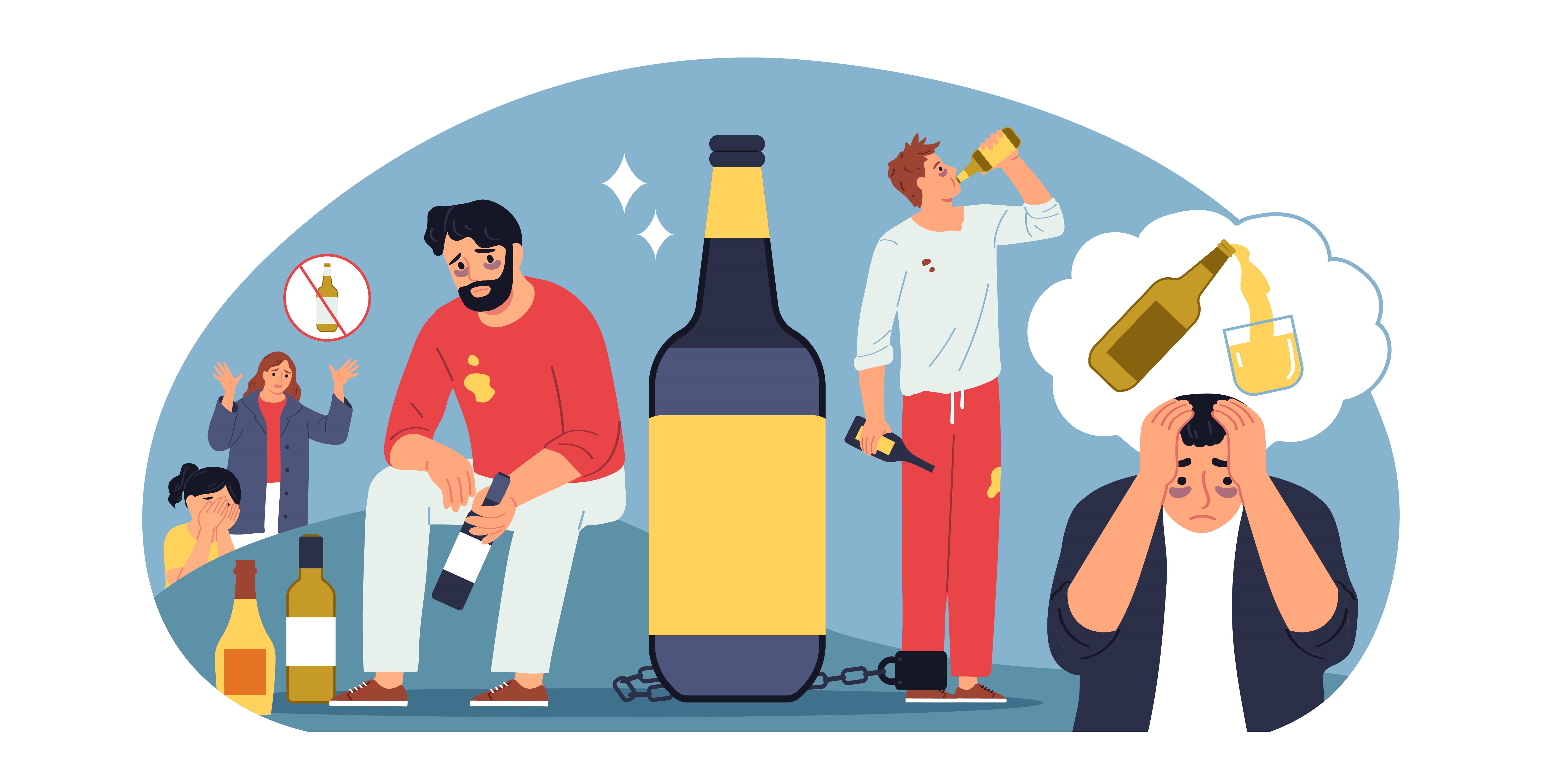
Reducing or quitting alcohol can feel incredibly difficult, even when you truly want to change. That’s not a personal failure. Long-term alcohol use causes real chemical and neurological changes in the brain, especially in the systems that control reward, motivation, and cravings.
The good news? You don’t have to fight your brain on your own.
Naltrexone, an FDA-approved medication, is increasingly used to help people reduce alcohol cravings and regain control, even if full abstinence isn’t the immediate goal.
Why Willpower Often Isn’t Enough
Alcohol changes how the brain processes pleasure and stress. Over time, your brain learns to rely on alcohol to feel “normal,” calm, or rewarded. That’s why stopping, or even cutting back, can feel nearly impossible despite strong motivation.
Relapse or repeated attempts to cut down don’t mean you lack discipline. They often mean your brain needs biological support, especially in the early stages of change.
As psychiatrists and addiction specialists now emphasize, alcohol use disorder is not a moral issue, it’s a treatable medical condition.
How Naltrexone Works
Naltrexone works by reducing alcohol’s rewarding effects in the brain.
When you drink, alcohol releases endorphins that activate the brain’s reward pathway. Naltrexone blocks this response, which means:
- Drinking feels less reinforcing
- Cravings decrease over time
- The urge to keep drinking weakens
Many people who take low-dose naltrexone consistently report:
- Drinking fewer drinks
- Fewer binge episodes
- Less mental preoccupation with alcohol
- A growing sense of control
Rather than forcing abstinence, naltrexone helps the brain gradually relearn that alcohol is no longer necessary or rewarding.
A Shift Away From “All-or-Nothing” Recovery
For decades, abstinence-only approaches have dominated alcohol treatment. While they work for some, they can feel unrealistic or discouraging for others.
Modern addiction care recognizes that:
- Not everyone is ready, or needs, to quit completely right away
- Harm reduction and gradual change are valid goals
- Recovery is rarely linear
Naltrexone supports this more flexible approach by helping people drink less safely, without shame or pressure to be perfect.
What People Often Experience on Naltrexone
With regular use (often over 12 weeks or more), many patients find they:
- Naturally cut back from heavy daily drinking to much lower levels
- Have fewer cravings during stressful situations
- Feel less driven to binge
- Gain mental clarity and confidence
For some, naltrexone becomes part of a longer-term recovery plan. Others use it as a bridge, supporting their brain while they build new routines, coping skills, and habits.
The medication is available as:
- A daily oral tablet
- A monthly injectable form
There’s no withdrawal when stopping naltrexone, and it does not create dependence.
Is Naltrexone Right for You?
You may be a good candidate if:
- Your drinking has increased or feels hard to control
- You’ve tried to cut back but struggled
- Alcohol is affecting your health, work, or relationships
- You want support without immediate abstinence pressure
Naltrexone can be prescribed by primary care providers, psychiatrists, or addiction specialists and is most effective when paired with:
- Therapy
- Coaching
- Support groups
- Behavioral strategies
Medication helps quiet cravings; behavioral support helps you build a life that no longer revolves around alcohol.
A More Compassionate Path Forward
Recovery doesn’t have to be about white-knuckling through cravings or judging yourself for setbacks. For many people, naltrexone offers hope, not by forcing change, but by making change feel possible.
By reducing cravings and calming the brain’s reward system, naltrexone can give you the breathing room you need to make lasting, meaningful changes at your own pace.
Changing your relationship with alcohol doesn’t have to mean choosing between “all or nothing.” At Better U, we believe in compassionate, evidence-based care that meets you where you are.
If you’re curious about the Sinclair Method or low-dose naltrexone, our licensed psychiatric providers can help you explore whether medication management is the right fit for your goals. We take a holistic psychiatry approach—meaning we look beyond prescriptions alone. That includes:
- Personalized medication management and monitoring
- Integrative support for sleep, stress, and nervous system health
- Therapy and behavior-change strategies
- Lifestyle guidance to support long-term brain health
- Ongoing check-ins to adjust your plan as you grow
Whether you want to reduce drinking gradually or explore a broader mental health reset, you don’t have to figure it out alone.
Schedule a consultation with Better U today to learn how medication-assisted treatment and holistic psychiatric care can support sustainable, shame-free change.
Disclaimer: The content on this page is for informational and educational purposes only and is not medical or psychiatric advice. It does not create a patient–provider relationship and is not a substitute for consultation with a licensed clinician. Some treatments discussed (including holistic, weight management, sexual health, ketamine or other innovative therapies) may involve off‑label or non‑FDA‑approved uses and are not guaranteed to be safe, effective, or appropriate for you. Always talk with a qualified healthcare professional before making any changes to your care. Better U’s clinical team is available to provide personalized telemedicine appointments to determine which treatments, if any, may be appropriate for your individual situation.
Latest articles
Brain Fog: What Causes It?
Learn More About: Brain Fog: What Causes It?
The Role of Telemedicine in Modern Mental Healthcare

How Social Media May Affect Mental Health
.jpg)
What Burnout Really Looks Like