
.svg)


How Low-Dose Naltrexone Can Help People Drink Less


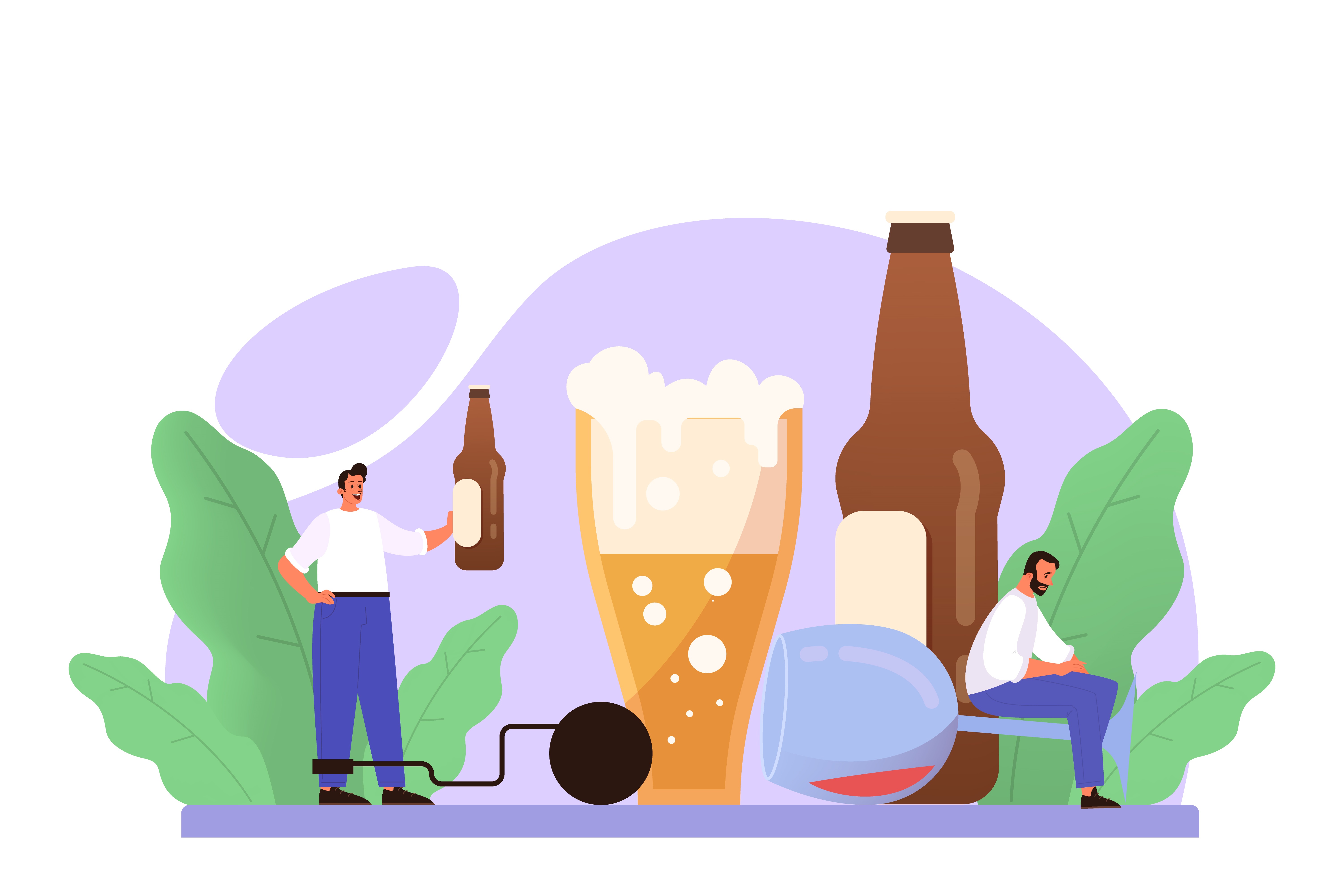
For many people who want to change their relationship with alcohol, the idea of quitting “cold turkey” can feel overwhelming or unrealistic. The Sinclair Method (TSM) offers a different path, one that focuses on gradual change, neuroscience, and harm reduction, rather than immediate abstinence.
At the center of this approach is low-dose naltrexone, a well-studied medication that helps retrain the brain’s response to alcohol.
Overview: A Brain-Based Approach to Reducing Drinking
The Sinclair Method is a medication-assisted treatment that uses naltrexone taken only before drinking. Instead of forcing willpower or abstinence, it works by reducing alcohol’s rewarding effects, making it easier over time to drink less—or stop altogether.
Many people are drawn to this approach because it:
- Does not require immediate sobriety
- Supports gradual, sustainable change
- Is backed by decades of research
- Can be done at home with medical guidance
This method is widely used in Europe and is gaining traction in the U.S. as attitudes toward alcohol recovery evolve.
How Low-Dose Naltrexone Works in the Sinclair Method
Alcohol releases endorphins that activate the brain’s reward system. Over time, this reinforces drinking behavior and cravings.
Naltrexone works by blocking opioid receptors, which:
- Reduces the “buzz” or emotional payoff of drinking
- Weakens the brain’s learned association between alcohol and pleasure
- Helps cravings fade naturally over time
This process is called pharmacological extinction, the brain slowly “unlearns” alcohol as a rewarding behavior.
Typical Sinclair Method Process
- Take low-dose naltrexone about one hour before drinking
- Drink as usual (no forced restriction)
- Notice reduced urge to continue drinking
- Repeat every time alcohol is consumed
- Over weeks or months, drinking often decreases naturally
Many people report fewer obsessive thoughts about alcohol and a growing sense of control.
Why This Approach Feels Different (and Often More Doable)
Unlike abstinence-only models, the Sinclair Method:
- Meets people where they are
- Avoids shame or “all-or-nothing” thinking
- Reduces risk of severe withdrawal
- Encourages autonomy and empowerment
Research suggests naltrexone can be highly effective for alcohol use disorder, with some studies reporting success rates near 70–80% when used correctly.
Benefits of the Sinclair Method with Low-Dose Naltrexone
Key advantages include:
- Helps people reduce drinking without quitting immediately
- Lowers overall alcohol-related harm
- Affordable compared to inpatient treatment
- Can be combined with therapy or coaching
- Supports long-term behavior change, not just short-term abstinence
Many people find that removing the pressure of “never drinking again” makes change feel more realistic and sustainable.
What to Know About Consistency and Commitment
For best results, naltrexone must be taken every single time alcohol is consumed. Skipping doses can slow or reverse progress.
This isn’t a quick fix, but rather a long-term brain-retraining strategy. Over time, many people naturally lose interest in drinking, even without trying to.
Side Effects and Safety
Most people tolerate low-dose naltrexone well. Common, usually temporary side effects include:
- Mild nausea
- Headache
- Fatigue
- Digestive discomfort
Taking the medication with food or starting at a lower dose can help.
Because naltrexone is processed by the liver, medical supervision is essential, especially for people with liver conditions or other health concerns.
Who May Be a Good Fit for the Sinclair Method
The Sinclair Method may be especially helpful if you:
- Want to cut back or quit drinking gradually
- Have struggled with abstinence-only approaches
- Are open to medication-assisted treatment
- Can reliably take medication as directed
- Do not have active liver disease or opioid dependence
A healthcare provider can help determine if this approach aligns with your goals and medical history.
Key Takeaways
- The Sinclair Method uses low-dose naltrexone to reduce alcohol’s reward
- It offers a science-based, compassionate alternative to abstinence-only recovery
- Many people find it more realistic, empowering, and sustainable
- Success depends on consistency and medical guidance
For the right person, it can be a powerful tool for lasting change. Changing your relationship with alcohol doesn’t have to mean choosing between “all or nothing.” At Better U, we believe in compassionate, evidence-based care that meets you where you are.
If you’re curious about the Sinclair Method or low-dose naltrexone, our licensed psychiatric providers can help you explore whether medication management is the right fit for your goals. We take a holistic psychiatry approach—meaning we look beyond prescriptions alone. That includes:
- Personalized medication management and monitorin
- Integratve support for sleep, stress, and nervous system health
- Therapy and behavior-change strategies
- Lifestyle guidance to support long-term brain health
- Ongoing check-ins to adjust your plan as you grow
Whether you want to reduce drinking gradually or explore a broader mental health reset, you don’t have to figure it out alone.
Schedule a consultation with Better U today to learn how medication-assisted treatment and holistic psychiatric care can support sustainable, shame-free change.
Disclaimer: The content on this page is for informational and educational purposes only and is not medical or psychiatric advice. It does not create a patient–provider relationship and is not a substitute for consultation with a licensed clinician. Some treatments discussed (including holistic, weight management, sexual health, ketamine or other innovative therapies) may involve off‑label or non‑FDA‑approved uses and are not guaranteed to be safe, effective, or appropriate for you. Always talk with a qualified healthcare professional before making any changes to your care. Better U’s clinical team is available to provide personalized telemedicine appointments to determine which treatments, if any, may be appropriate for your individual situation.
Latest articles
Brain Fog: What Causes It?
Learn More About: Brain Fog: What Causes It?
The Role of Telemedicine in Modern Mental Healthcare

How Social Media May Affect Mental Health
.jpg)
What Burnout Really Looks Like