
.svg)


At-Home Ketamine Therapy vs. Infusions: Pros & Cons


The environment you’re in can profoundly shape your experience, especially when you’re doing deep, introspective work. When it comes to ketamine therapy, the setting is one of the most important factors to consider. This is the core of the at home ketamine vs infusion discussion. A clinical setting offers a structured, medically supervised environment, which some people find reassuring. In contrast, an at-home program allows you to be in a familiar, private space where you control the lighting, music, and comfort, which can help you feel more relaxed and open. Neither is inherently superior; they simply offer different containers for your journey. Understanding how each environment might feel can help you choose the path that best supports you.
Key Takeaways
- Know Your Options: Ketamine therapy is available in two primary settings: in a clinic, which typically involves IV infusions and direct medical supervision, or at home, which uses oral medication with remote clinical guidance.
- Weigh the Practical Differences: At-home programs generally offer more privacy, flexibility, and are more affordable, while in-clinic treatments provide in-person monitoring but often come with higher costs and logistical challenges like travel.
- Prioritize Integration for Lasting Change: Regardless of the setting you choose, the most important component for personal growth is integration—the process of turning insights from your sessions into new habits and perspectives with the help of a coach or therapist.
What Is Ketamine Therapy and How Does It Work?
If you've been exploring alternatives to traditional mental health treatments, you've likely come across ketamine therapy. For many people who feel like they've tried everything—from different medications to years of talk therapy—the search for something that works differently can feel both hopeful and overwhelming. So, what is
Unlike many common antidepressants that primarily work on the brain's serotonin system, ketamine therapy interacts with a different neurotransmitter called glutamate. This unique mechanism is why it may offer a different experience for individuals who feel stuck in cycles of negative thinking. The goal of ketamine therapy isn't just about the medication itself; it's about using the experience as a catalyst for deeper personal work. It can create a window of opportunity where you might feel more open to new perspectives and better equipped to change long-standing thought patterns. This treatment can be administered in a few different ways, most commonly through IV infusions in a clinic or through oral tablets or nasal sprays prescribed for at-home use. Each approach has its own process and considerations, which we'll explore to help you understand what might align best with your needs and lifestyle.
How Ketamine Therapy Supports Mental Wellness
One of the reasons ketamine therapy is gaining attention is because it works differently than many conventional psychiatric medications. While SSRIs, for example, slowly build up in your system to influence serotonin levels, ketamine therapy works on the glutamate pathway. Glutamate is the most abundant chemical messenger in your brain and plays a vital role in mood, learning, and memory.
By influencing this system, ketamine therapy can help interrupt the rigid thought patterns that often accompany conditions like depression and anxiety. Many people report experiencing a shift in perspective or a temporary lifting of heavy emotional weight soon after a session. This isn't a permanent fix, but rather a valuable opportunity to engage in meaningful therapeutic work, like integration coaching, from a new vantage point.
Understanding Neuroplasticity's Role in Treatment
Another key aspect of how ketamine therapy works involves something called neuroplasticity. Think of neuroplasticity as your brain's natural ability to adapt and rewire itself. When you're struggling with a persistent mental health condition, your brain can get stuck in certain negative pathways, making it hard to break free. These patterns become deeply ingrained over time, like well-worn paths in a forest.
Ketamine therapy is understood to promote neuroplasticity, essentially helping the brain build new connections. This process can make your brain more flexible and open to change. It’s like creating new trails in that forest, giving you alternative routes to take instead of the old, familiar ones. This enhanced brain plasticity can make it easier to adopt healthier habits and mindsets, especially when paired with supportive practices like journaling and therapy.
Exploring At-Home Ketamine Therapy
For many people, the idea of receiving treatment in the comfort and privacy of their own home is a welcome alternative to clinical visits. At-home ketamine therapy is designed to make this possible, offering a structured and guided experience without the need to travel to a clinic. This approach prioritizes your comfort by allowing you to be in a familiar, controlled environment where you can feel more at ease. The entire process is overseen by medical professionals who provide guidance from the initial consultation through each treatment session, ensuring you feel supported throughout your journey.
This model can be particularly suited for individuals with busy schedules, those who live far from specialized clinics, or anyone who simply prefers the privacy of their own space. By removing many of the logistical barriers associated with in-person appointments, at-home programs make it more feasible for people to access and continue their mental health work. The focus is on creating a personalized experience that fits into your life, supported by a professional care team dedicated to your well-being. It puts you in control of your setting—from the lighting to the music—which can be an important part of the therapeutic process itself.
Your At-Home Options: Tablets and Sprays
When you begin an at-home program, the medication is typically administered in one of a few ways. The most common form is an oral tablet or lozenge that dissolves under your tongue. This method allows the medication to be absorbed directly into the bloodstream. Some programs may also use a nasal spray. Both options are designed for ease of use in a home setting. Your provider will determine the appropriate form and dosage for you based on your initial medical consultation and health history. This personalized approach is a core part of the at-home ketamine therapy model, ensuring the treatment plan is tailored to your specific needs.
The At-Home Process: What to Expect
The journey with at-home ketamine therapy begins with a thorough medical evaluation to determine if the treatment is a good fit for you. Once approved, you’ll receive the medication delivered to your home, along with detailed instructions for your sessions. You will be guided on how to prepare your space and mindset for the experience. While you are in the comfort of your own environment, you are not alone. A clinician is available for support, and you will have regular check-ins with your care team to discuss your progress and make any necessary adjustments to your treatment plan. This structure ensures you have professional guidance every step of the way.
The Importance of Integration and Support
The ketamine therapy experience itself is only one part of the process. What you do with the insights and feelings that come up during your sessions is just as important. This is where integration comes in. Quality at-home programs include support from coaches or therapists who help you make sense of your experiences and turn them into meaningful, lasting changes in your daily life. This holistic support system is designed to help you build new thought patterns and behaviors. Without this crucial step, the insights gained during a session can fade, making integration a key component for personal growth.
Understanding In-Clinic Ketamine Infusions
When people first hear about ketamine therapy, they often picture a clinical setting, and for many years, this was the primary way to access treatment. In-clinic ketamine therapy involves visiting a specialized clinic or a doctor's office for sessions administered under direct medical supervision. This model is structured much like other medical procedures, with a focus on providing a controlled and closely monitored environment from start to finish. The entire process is managed by on-site medical staff who guide you through the experience.
The main idea behind this approach is to have medical professionals present at every moment, from preparation to the end of the session. They handle the administration of the medication and keep a close watch on your physical responses. The environment itself is designed to be calm and free from distractions, allowing you to focus entirely on your inner journey. While it offers a high level of professional oversight, it also requires you to travel to a facility for each appointment. This involves scheduling your life around these visits, commuting, and spending several hours on-site for each session. Understanding how these clinics operate is an important step in comparing all the different services available and deciding which path aligns best with your needs and lifestyle.
How IV Infusions Are Administered
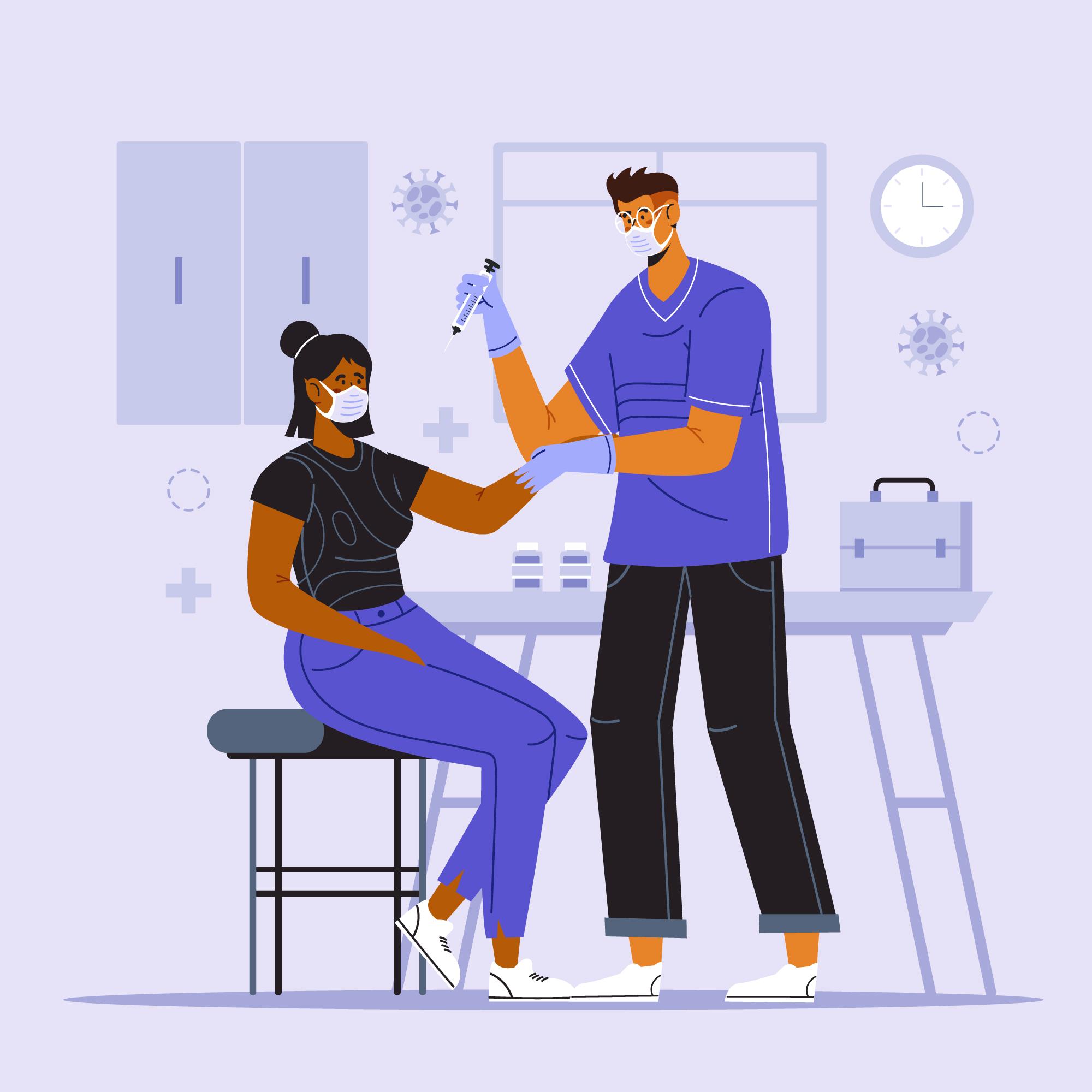
The most common method for in-clinic ketamine therapy is through an intravenous (IV) infusion. This means a small needle is placed in a vein, usually in your arm, and the medication is delivered slowly over a period of about 40 to 60 minutes. This method gives clinicians precise control over the dosage throughout the session. Beyond IVs, some clinics may offer intramuscular (IM) injections, where the medication is injected into a muscle. Another option you might encounter is a specific nasal spray called Spravato, which is administered under supervision in a certified healthcare setting.
What Professional Monitoring Involves
A key component of the in-clinic model is continuous medical supervision. During your session, a nurse or other medical professional will be present to monitor your vital signs, such as your heart rate and blood pressure. This constant oversight allows them to observe your response to the treatment in real-time. If any adjustments are needed, the medical staff can change the dosage immediately. This hands-on approach is designed to provide a structured and supervised experience from start to finish, ensuring a clinician is with you throughout the process.
The Clinical Setting and Environment
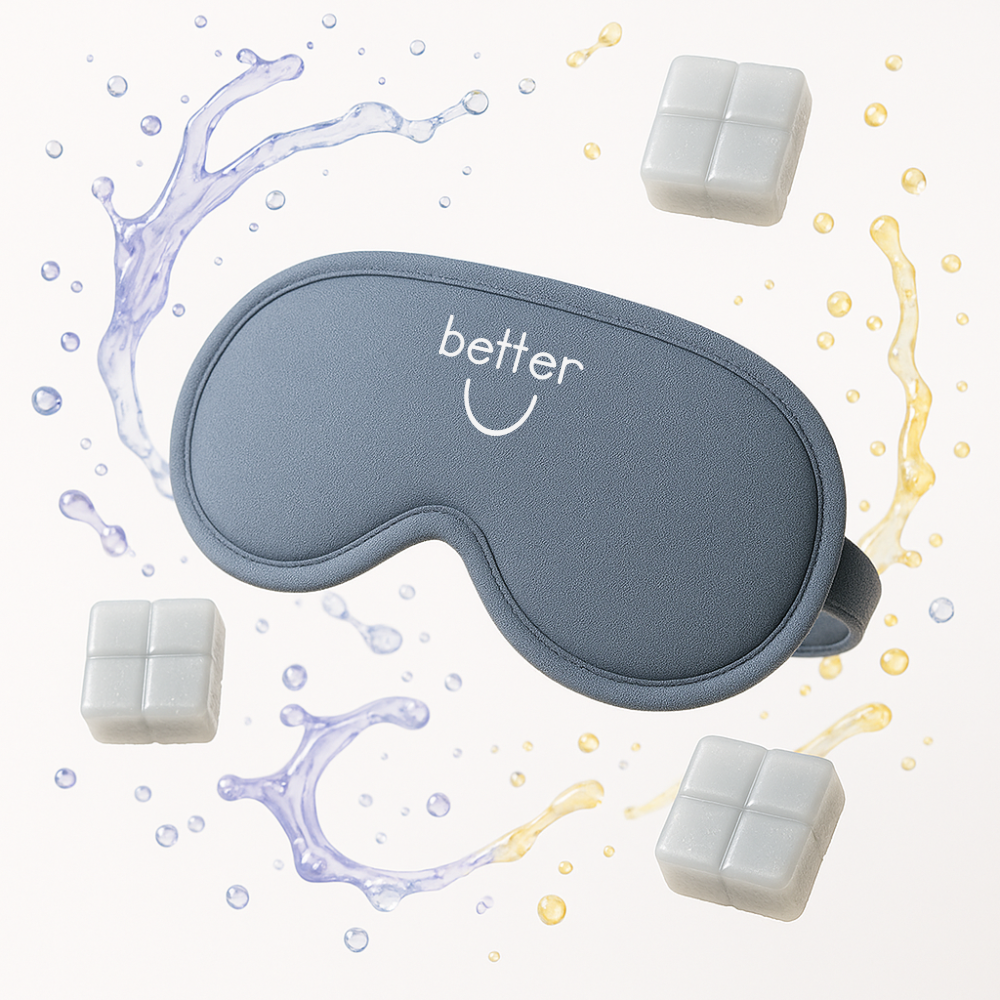
While it takes place in a medical facility, the goal of an infusion clinic is to create a calm and supportive atmosphere. You’ll typically be in a private room with a comfortable reclining chair. Many clinics encourage you to bring headphones to listen to calming music and an eye mask to help you focus inward. The lighting is often kept dim, and interruptions are minimized. The entire environment is curated to provide a quiet, contained space where you can have your experience without external distractions, all within the structure of a professional medical setting.
At-Home vs. In-Clinic: What Are the Key Differences?
When you’re exploring ketamine therapy, one of the first things you’ll notice is that there are two main ways to approach it: in a clinical setting or from the comfort of your own home. Both models have the same goal of supporting your mental wellness, but they offer very different experiences. Understanding these distinctions is the first step toward choosing the path that feels right for you, your lifestyle, and your personal needs.
The choice isn't just about location; it impacts everything from how the medicine is administered and the kind of support you receive to the overall cost and accessibility of the treatment. For many who have felt unheard or stuck in the traditional mental health system, having this choice is empowering. It allows you to find a structure that aligns with your comfort level, schedule, and budget, putting you back in control of your wellness journey. Deciding between an in-person clinic and an at-home program involves thinking about what kind of environment helps you feel most at ease and what level of professional oversight you prefer. Let’s walk through the key differences so you can get a clear picture of what each option entails and make an informed decision.
Administration and Dosing
The most immediate difference between in-clinic and at-home ketamine therapy is how the medicine is administered. In a clinic, treatment is often given through an intravenous (IV) infusion, where the medicine is delivered directly into your bloodstream. Other in-clinic options include intramuscular (IM) injections or a specific nasal spray called Spravato. A medical professional always administers these doses.
With at-home ketamine therapy, the process is designed for self-administration in a comfortable setting. The most common method is a sublingual tablet or lozenge that dissolves under your tongue. This approach allows for a gentler experience and is prescribed by a clinician for you to take on your own schedule.
Medical Supervision and Guidance
In a clinic, you are under direct medical supervision for the entire session. A nurse or doctor is physically present to monitor your vital signs, like heart rate and blood pressure, and can intervene immediately if any issues arise. This constant, in-person presence is a core feature of the infusion model.
The at-home model uses a remote supervision and support structure. While you are physically alone during your session, a quality program provides comprehensive guidance and has safety protocols in place. At Better U, this includes thorough preparation with your clinician and integration coach, as well as access to a support network. This approach fosters a sense of autonomy while ensuring you have the tools and professional guidance you need.
The Treatment Environment and Your Experience
The environment plays a huge role in your therapeutic experience. A clinic provides a controlled, quiet, and professional setting. However, it also requires you to travel to and from the appointment, and you won't be able to drive yourself home afterward. For some, a clinical space can feel sterile or impersonal.
At-home ketamine therapy allows you to be in a familiar, private, and comfortable space. You have complete control over your surroundings—you can choose the music, adjust the lighting, and lie in your own bed. This level of comfort and privacy can help you feel more relaxed and open to the experience. It also eliminates the stress of travel and fitting appointments into a busy schedule.
Cost and Accessibility
A major factor for many people is the significant difference in cost and accessibility. In-clinic IV infusions are often very expensive, with a single session costing hundreds or even thousands of dollars. These treatments can also have long waitlists, making it difficult to get started when you need support the most.
At-home programs are typically much more affordable, making ketamine therapy accessible to more people. With transparent ketamine therapy pricing and no hidden fees, you can plan for your treatment without financial strain. The telehealth model also removes geographical barriers and reduces wait times, allowing you to begin your journey toward wellness much sooner.
Weighing the Pros and Cons of Each Approach
Choosing between at-home ketamine therapy and in-clinic infusions is a deeply personal decision. Both paths have unique benefits and potential drawbacks, and the right choice depends entirely on your individual needs, circumstances, and comfort level. Understanding the nuances of each can help you feel more confident in your decision-making process as you explore what works best for your mental health journey.
Advantages and Limitations of At-Home Therapy
One of the most significant advantages of at-home ketamine therapy is the ability to undergo treatment in a familiar, private, and comfortable setting. Being in your own space can help you feel more relaxed and open to the experience. This approach also removes the logistical hurdles of traveling to a clinic, saving you time and money on transportation and taking time off work. For many, this accessibility makes consistent treatment more manageable.
The primary limitation to consider is that you won't have a medical professional physically in the room with you. This is why it's so important to choose a program with robust virtual support. A well-structured at-home ketamine therapy program includes thorough medical screenings, guided sessions, and integration coaching to ensure you feel supported every step of the way.
Benefits and Challenges of In-Clinic Infusions
In-clinic IV infusions offer the benefit of direct, in-person medical supervision. A clinician is present to administer the treatment and monitor your vital signs throughout the session. Some studies suggest that this method may be associated with different outcomes, which can be an important factor for some individuals. This constant oversight can provide a strong sense of security, especially for those who are particularly anxious about the experience.
However, this model comes with its own set of challenges. In-clinic treatments are often significantly more expensive and less accessible. The need to travel to a clinic for multiple appointments can be a major barrier, both financially and logistically. Additionally, a clinical environment can feel sterile or intimidating to some, which may detract from the therapeutic experience you’re hoping to have.
Clearing Up Common Misconceptions
A common misconception is that at-home ketamine therapy lacks professional guidance. While the supervision is remote, comprehensive at-home programs are clinician-led and built on a foundation of dedicated support. From initial consultations to follow-up integration sessions, you are guided by a care team that monitors your progress and helps you process your experiences. The goal isn't just to provide a prescription but to offer a complete therapeutic framework.
Ultimately, one approach isn't inherently "better" than the other—they are just different. The idea that in-clinic treatment is the only valid option overlooks the profound benefits of undertaking this work in a controlled, comfortable home environment. With transparent pricing and packages, at-home therapy makes this option available to more people who need it.
Comparing Potential Outcomes and Important Considerations
When you’re exploring a new path for your mental health, it’s natural to wonder what the experience will be like and what you should keep in mind. Both at-home and in-clinic ketamine therapy are designed to support you, but the journey can look different for everyone. Your personal history, your mindset, and the structure of the program all play a part in your experience. Thinking through these factors can help you make a choice that feels aligned with your needs and sets you up for a meaningful journey toward personal growth.
Factors That May Influence Your Response
The environment where you have your ketamine therapy session can influence your experience. Some clinical evidence suggests that the controlled setting of a clinic may contribute to certain outcomes, as it’s a dedicated space designed for treatment. However, the comfort and familiarity of your own home can also create a powerful container for introspection and change. The key is creating an intentional space, free from distractions, where you feel secure. For many, being in a personal, private setting allows for a deeper sense of vulnerability and openness, which is an important part of the process.
Personalizing Your Treatment and Dosage
Whether you choose an at-home program or in-clinic infusions, your treatment plan should be tailored specifically to you. A qualified medical provider will determine the appropriate dosage and frequency based on your health history and goals. One of the main distinctions is scheduling flexibility. At-home ketamine therapy often allows you more control over when you have your sessions, which can make it easier to fit treatment into your life. In either setting, open communication with your care team is essential to ensure your protocol continues to support your journey.
A Note on Misuse Potential
It's important to address the potential for misuse when discussing any prescribed medication. Because ketamine therapy is becoming more accessible, there are valid concerns about people using it outside of medical guidance. In fact, calls to poison control centers regarding ketamine have reportedly increased. This is why choosing a reputable provider with strict safety and monitoring protocols is so critical. A responsible program will require thorough medical screenings, provide clear instructions on dosage, and offer ongoing support to ensure you are using your medication as prescribed.
Thinking About Long-Term Wellness
The ultimate goal of ketamine therapy isn't just a single experience—it's about creating lasting change in your life. While some believe in-clinic infusions offer a more robust initial treatment, long-term wellness depends heavily on what happens after the session ends. This is where integration comes in. Turning the insights from your sessions into new habits and perspectives is what drives sustainable growth. A comprehensive ketamine therapy program that includes integration coaching can provide the framework and support needed to translate your experiences into everyday life, no matter the setting.
How to Decide Which Path Is Right for You
Choosing between at-home ketamine therapy and in-clinic infusions is a deeply personal decision. There isn't a single "right" answer for everyone; the best path depends entirely on your unique circumstances, needs, and what feels most supportive for your journey. Thinking through a few key areas can bring a lot of clarity and help you feel confident in your choice. It’s about weighing the structure of a clinical setting against the comfort and privacy of your own space.
To make an informed decision, it helps to consider your medical history, the environment you live in, your financial situation, and your personal comfort level with each option. Are you looking for a treatment that fits seamlessly into your life, or do you prefer the formal structure of a medical facility? Do you have a strong support system at home? Answering these questions honestly will guide you toward the approach that aligns best with your life and wellness goals. This process is about empowering you to choose the setting where you feel you can be most open to the experience.
Your Health History and Current Needs
Your medical background and current mental health status are the most important factors in this decision. A thorough consultation with a qualified clinician is the first step to determine if you are a candidate for ketamine therapy. Certain health conditions may make one option more suitable than another. For example, some research suggests that the controlled environment of in-clinic therapy may be a consideration for individuals with more complex medical histories. It’s essential to have an open conversation with your provider about your symptoms, treatment history, and overall health to understand which approach is most appropriate for you.
Your Home Environment and Support System
If you’re considering at-home ketamine therapy, your physical and social environment plays a huge role. The process requires a quiet, private, and comfortable space where you can relax without interruptions. It’s also important to have a trusted support person, sometimes called a "sitter," present or nearby during your sessions. This person isn’t there to guide the experience, but to offer a reassuring presence and help if needed. While at-home treatment offers incredible convenience, ensuring you have a supportive home environment is key to feeling secure and getting the most out of your sessions.
Your Budget and Financial Options
The cost of treatment is a practical consideration for many people. Generally, in-clinic IV infusions are more expensive than at-home programs due to overhead costs for the facility, equipment, and staff time. At-home ketamine therapy was developed in part to make this type of treatment more accessible. While some sources suggest weighing the cost of in-clinic treatments against potential outcomes, at-home programs offer a more approachable financial entry point for many. It’s helpful to review the pricing and packages for at-home options to see what fits within your budget.
Your Comfort and Personal Preferences
Ultimately, your personal comfort is a major factor. Some people feel more at ease in a structured, clinical setting with medical professionals physically present. Others find the clinical environment sterile or anxiety-provoking and feel much more relaxed in the familiar surroundings of their own home. Think about where you can best let go and be vulnerable. Both approaches have received favorable feedback from consumers, so this often comes down to trusting your intuition. The goal is to choose the environment that feels most conducive to your personal growth and introspection.
Is At-Home or In-Clinic Ketamine Therapy a Better Fit?
Choosing between at-home and in-clinic ketamine therapy is a personal decision that depends on your unique circumstances, comfort level, and mental health needs. Both approaches have distinct features, and understanding them can help you determine which environment might be more supportive for your journey. The goal is to find a path that feels right for you, allowing you to engage with the process in a way that fosters growth and self-awareness.
Who Might Be a Good Candidate for In-Clinic Treatment?
In-clinic ketamine therapy, typically administered via IV infusion, is often suggested for individuals who feel they would benefit from direct, in-person medical supervision throughout their session. This setting can provide a sense of structure that some people find reassuring. For those with particularly complex or acute mental health histories, a clinical environment ensures that medical staff are physically present to monitor the experience from start to finish. If the idea of being in a controlled, medical setting feels more comfortable to you than being in your own home, an in-clinic option might be worth exploring.
Who Might Be a Good Candidate for At-Home Therapy?
At-home ketamine therapy is designed for those who value comfort, privacy, and flexibility. Undergoing treatment in a familiar environment can help reduce anxiety and allow for a more relaxed and introspective experience. This approach gives you control over your setting—you can choose the lighting, music, and comfort items that make you feel most at ease. At-home programs are often a good fit for individuals managing ongoing symptoms or for those who find the logistics and cost of traveling to a clinic to be a barrier. Better U's at-home ketamine therapy program combines this convenience with comprehensive clinical oversight and support.
Questions to Ask Your Provider
Making an informed decision starts with asking the right questions. Whether you’re considering an in-clinic or at-home provider, having a clear conversation can help you find the best fit.
Consider asking the following:
- What kind of medical supervision and support is provided during and after each session?
- How is the treatment plan personalized to my specific needs and goals?
- What does the integration process look like, and is coaching included?
- What are the safety protocols for this program?
- How is progress tracked over time?
- What are the full costs involved, and are there different pricing options available?
Related Articles
- Who is ketamine therapy right for?
- Unlocking the Future of Mental Health: The Benefits of At-Home Ketamine Therapy and Telehealth
Frequently Asked Questions
How is at-home ketamine therapy supervised if a doctor isn't in the room? This is a great question and a really important one. While a clinician isn't physically present, a quality at-home program is built on a foundation of professional guidance and support. The process begins with a thorough medical evaluation to ensure the treatment is appropriate for you. Before each session, you receive detailed instructions on how to prepare your mindset and space. Throughout your program, you have regular check-ins with your care team and access to support, ensuring you feel guided and understood every step of the way.
What is "integration," and why is it so important? Integration is the work you do to make sense of your experiences during ketamine therapy and apply those insights to your daily life. The treatment can help create a period of increased mental flexibility, making it easier to see things from a new perspective. Integration coaching gives you the tools to use that opportunity to build new thought patterns and healthier habits. It’s the bridge between the insights you gain during a session and the lasting changes you want to see in your life.
Why is there such a big price difference between at-home and in-clinic options? The cost difference generally comes down to overhead. In-clinic infusions require a physical facility, specialized medical equipment, and on-site staff to monitor you for several hours. These operational costs are reflected in the higher price per session. At-home programs use a telehealth model, which reduces these expenses and makes the treatment accessible to more people.
Can I really create a therapeutic environment at home? Yes, and having that control is one of the main benefits of an at-home program. A key part of the process is intentionally preparing your space to be quiet, comfortable, and free from interruptions. You get to choose the music, adjust the lighting, and use your own blankets or pillows. Creating a setting that feels personal and calming can be a powerful part of the therapeutic experience itself, helping you feel more relaxed and open.
How do I figure out which option is the right fit for me? The best choice is a personal one that depends on your unique needs. Consider what kind of environment makes you feel most comfortable—a structured medical setting or the privacy of your own home. Think about practical factors like your budget, your schedule, and whether you have a supportive and quiet space for treatment. The most important step is having an open conversation with a qualified provider who can review your health history and help you weigh the pros and cons for your specific situation.
Disclaimer: The content on this page is for informational and educational purposes only and is not medical or psychiatric advice. It does not create a patient–provider relationship and is not a substitute for consultation with a licensed clinician. Some treatments discussed (including holistic, weight management, sexual health, ketamine or other innovative therapies) may involve off‑label or non‑FDA‑approved uses and are not guaranteed to be safe, effective, or appropriate for you. Always talk with a qualified healthcare professional before making any changes to your care. Better U’s clinical team is available to provide personalized telemedicine appointments to determine which treatments, if any, may be appropriate for your individual situation.
Latest articles
Brain Fog: What Causes It?
Learn More About: Brain Fog: What Causes It?
The Role of Telemedicine in Modern Mental Healthcare
How Social Media May Affect Mental Health
.jpg)
What Burnout Really Looks Like